
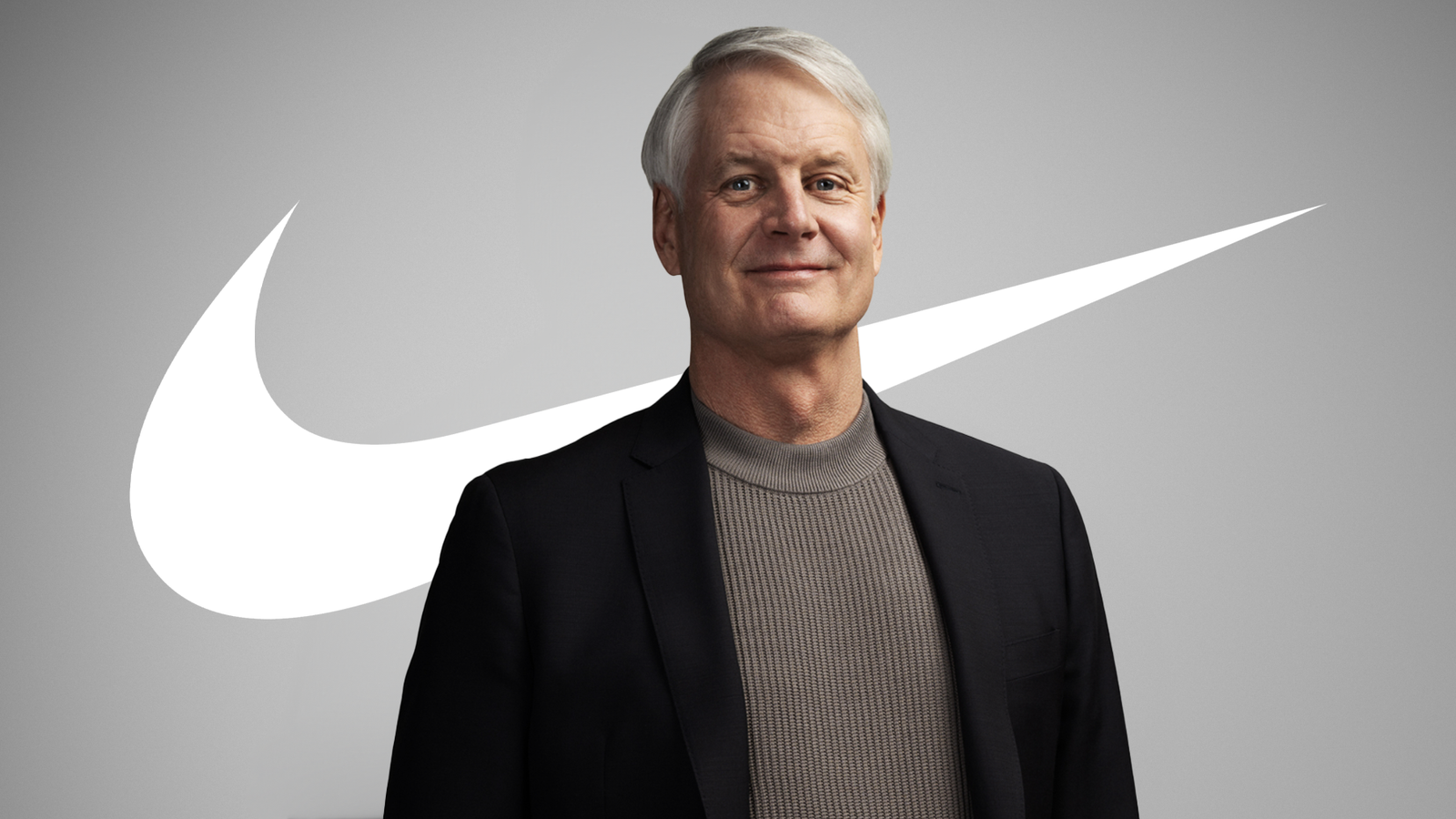
Phil Knight age is 87 years old as of 2026, born on February 24, 1938, in Portland, Oregon. The legendary entrepreneur transformed the athletic footwear industry by co-founding Nike with Bill Bowerman in 1964.
Starting from selling shoes out of his car trunk, Knight built a global empire worth billions. His journey from a middle-distance runner to becoming one of the world’s wealthiest individuals showcases remarkable business acumen and unwavering determination.
Today, Knight stands as an inspiration to entrepreneurs worldwide, with his story chronicled in the bestselling memoir “Shoe Dog.”
Table of Contents
Quick Facts About Phil Knight
| Category | Details |
|---|---|
| Full Name | Philip Hampson Knight |
| Age | 87 years old (as of 2026) |
| Date of Birth | February 24, 1938 |
| Birthplace | Portland, Oregon, USA |
| Net Worth | $32-35 billion (2026) |
| Spouse | Penelope “Penny” Parks (married 1968) |
| Children | 2 sons (Matthew Knight †2004, Travis Knight) |
| Education | University of Oregon (BBA), Stanford (MBA) |
| Company Founded | Nike, Inc. (1964 as Blue Ribbon Sports) |
| Current Role | Chairman Emeritus of Nike |
Phil Knight Age, Early Life and Background

Phil Knight was born into a middle-class family in Portland, Oregon. His father, William W. Knight, worked as a lawyer before transitioning into newspaper publishing, eventually overseeing the Oregon Journal. His mother, Lota Cloy Hatfield Knight, was a homemaker who provided a nurturing environment.
Growing up in the Eastmoreland neighborhood, young Phil developed a passion for running. He attended Cleveland High School where he excelled as a track athlete. This early love for athletics would later shape his entire career trajectory.
Knight wasn’t particularly interested in academics during his early years. However, he enrolled at the University of Oregon in 1955, where his life took a transformative turn. He joined the track and field team as a middle-distance runner under the legendary coach Bill Bowerman.
Education Journey

University of Oregon
At the University of Oregon, Knight ran competitively and achieved impressive times. His personal best in the mile was 4 minutes and 13 seconds, which was considered an excellent time for a collegiate athlete. He earned varsity letters in 1957, 1958, and 1959.
Knight graduated from Oregon with a business degree in 1959. During his time there, he also worked as a sports reporter for the Oregon Daily Emerald. His relationship with coach Bill Bowerman would prove pivotal for his future business endeavors.
Military Service
After graduation, Knight spent a year serving in the U.S. Army and the Army Reserve. He was recognized as a “Distinguished Military Graduate” in 1959. This experience taught him discipline and leadership skills that would serve him well in business.
Stanford Graduate School of Business
Knight then attended Stanford University’s Graduate School of Business. It was here that he discovered his true calling. In a small business class, he wrote a paper proposing that high-quality, low-cost running shoes manufactured in Japan could successfully compete with established German brands in the American market.
This paper would become the blueprint for his future business. Knight graduated with his MBA in 1962, ready to turn his academic theory into reality.
The Birth of Nike
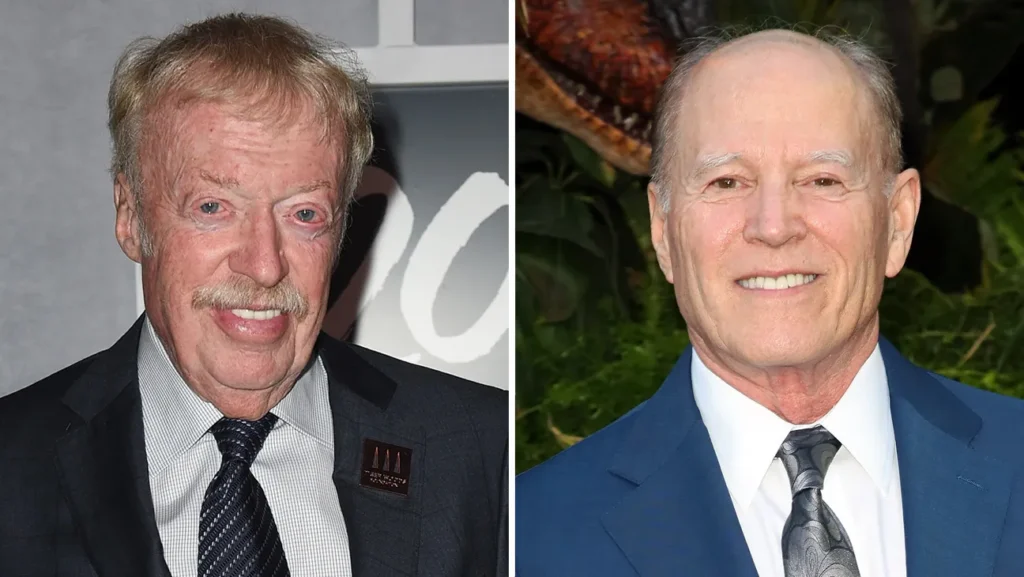
World Travel and Discovery
After completing his MBA, Knight embarked on a world tour. During his travels, he visited Kobe, Japan, where he discovered Tiger brand running shoes manufactured by Onitsuka. Impressed by their quality and affordability, he secured a distribution deal with the company.
Blue Ribbon Sports (1964-1971)
In 1964, Knight partnered with his former track coach Bill Bowerman to establish Blue Ribbon Sports (BRS). They each contributed $500 to start the venture. Knight began selling sneakers at weekend track meets from the trunk of his green Plymouth Valiant.
During this period, Knight worked multiple jobs to support himself. He was a Certified Public Accountant and taught accounting as an assistant professor at Portland State University. He dedicated himself full-time to the shoe business in 1968.
Bowerman brought technical innovation to the partnership, constantly experimenting with shoe designs to improve performance. Knight provided the business strategy and sales expertise. This complementary partnership proved incredibly successful.
Transition to Nike (1971)
In 1971, Blue Ribbon Sports officially became Nike, Inc., named after the Greek goddess of victory. The timing coincided with their split from Onitsuka Tiger, necessitating the creation of their own brand.
The iconic “swoosh” logo was designed by graphic design student Carolyn Davidson, who was paid just $35 for her work. This simple design would become one of the most recognizable logos in the world.
Building a Global Empire
The Nike Revolution
Knight’s marketing strategies revolutionized sports branding. He understood that athletes weren’t just wearing shoes—they were making lifestyle statements. Nike positioned itself at the intersection of sports performance and cultural identity.
The company invested heavily in athlete endorsements, recognizing their influence on consumer behavior. This strategy would pay massive dividends, particularly with basketball endorsements.
The Michael Jordan Effect
In 1984, Nike signed a then-rookie Michael Jordan to an endorsement deal. This decision proved transformative for both Nike and the sports marketing industry. The Air Jordan line launched in 1985 became a cultural phenomenon.
The partnership revolutionized how sports companies approached athlete endorsements. Air Jordans transcended basketball to become fashion statements, generating billions in revenue over the decades. This success story was depicted in the 2023 film “Air,” with Ben Affleck portraying Knight.
Global Expansion Strategy
Under Knight’s leadership, Nike expanded aggressively into international markets. The company branched into multiple sports categories including soccer, golf, and tennis. By the 1990s, Nike had become the world’s largest supplier of athletic shoes and apparel.
The company enjoyed over $10 billion in yearly sales before 1999. Knight’s vision of creating a global lifestyle brand had become reality. Nike’s influence extended beyond sports into fashion and popular culture.
Innovation and Technology
Knight fostered a corporate culture that valued creativity and innovation. Nike continuously invested in research and development, creating groundbreaking technologies like Nike Air cushioning and Flyknit construction.
The company’s innovations weren’t just about performance—they were about creating products that consumers desired. This dual focus on function and style became Nike’s signature approach.
Leadership and Corporate Controversies
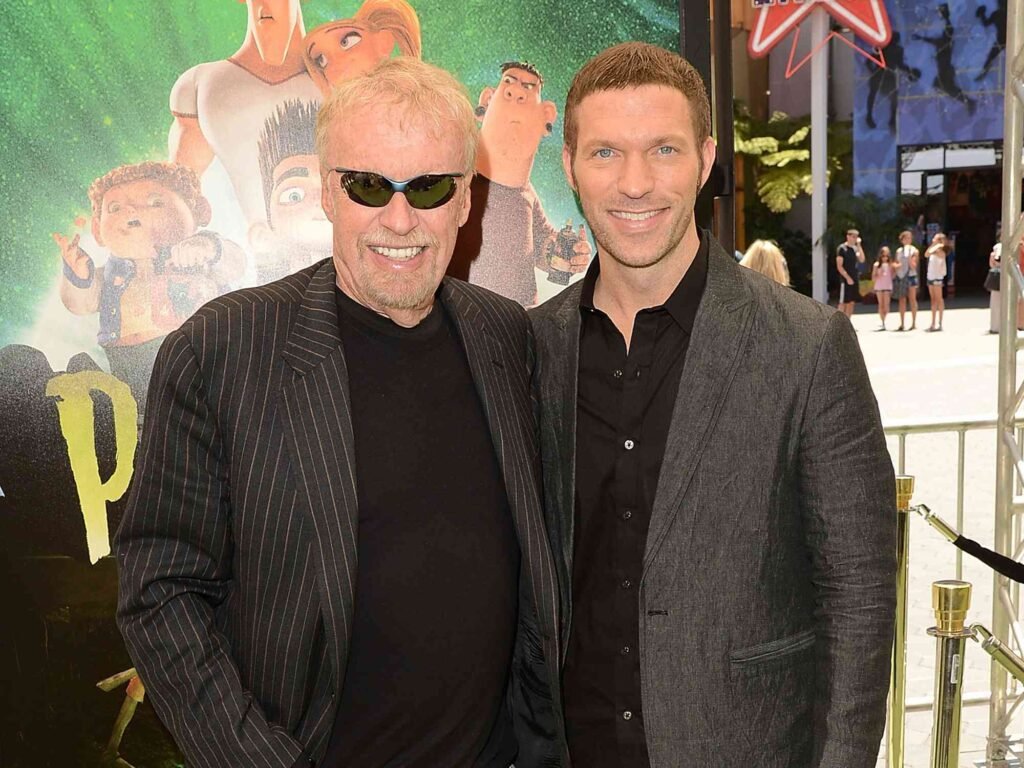
Labor Practices Criticism
Nike faced significant criticism in the 1990s regarding labor practices in Asian manufacturing facilities. Accusations included low wages, poor working conditions, corporal punishment, and sexual harassment.
Human rights groups scrutinized Knight’s business model, which relied heavily on overseas manufacturing. The controversies forced Nike to improve transparency and working conditions in their supply chain.
Knight defended the company while implementing reforms. Nike developed more rigorous monitoring systems for factories and improved worker treatment standards. These challenges tested Knight’s leadership during critical growth years.
Environmental Concerns
The company also faced criticism regarding environmental impacts of large-scale shoe production. Nike responded by developing sustainability initiatives and more eco-friendly manufacturing processes.
Phil Knight’s Net Worth
Current Financial Standing
As of January 2026, Phil Knight’s net worth is estimated between $32-35 billion according to various financial sources. His wealth primarily derives from his ownership stake in Nike, Inc.
Knight and his family control approximately 20% of Nike’s shares through various holdings. The majority of their stake—approximately 227 million shares—is held through a family holding company called Swoosh, LLC.
Knight personally owns about 36 million shares in his own name. His son Travis Knight holds approximately 27 million shares through a trust and its subsidiary. This concentrated ownership has preserved family control over the company Knight founded.
Wealth Accumulation
Knight has collected billions from Nike dividends and strategic stock sales over decades. His cash investments and diversified portfolio have grown substantially through careful financial management and market performance.
Despite Nike’s market fluctuations, Knight’s net worth has remained remarkably stable. His long-term investment perspective and confidence in Nike’s brand value have served him well.
Ranking Among Billionaires
Knight consistently ranks among the world’s wealthiest individuals. He typically appears in the top 50 globally and is one of the richest Americans. His position fluctuates based on Nike’s stock performance and his charitable giving.
Marriage and Family Life
Meeting Penny Parks
Phil Knight met Penelope “Penny” Parks while working as an assistant professor at Portland State University. Their connection was immediate and deep. They married on September 13, 1968, beginning a partnership that would span decades.
Penny became more than Knight’s spouse—she became his confidant and partner in philanthropy. She supported him through Nike’s challenging early years when financial stability wasn’t guaranteed.
Children and Family Tragedy
The Knights had two sons: Matthew and Travis. The family experienced profound tragedy in 2004 when their eldest son Matthew died in a scuba diving accident in El Salvador at age 34.
Matthew suffered from an undetected congenital heart defect that caused cardiac arrest while diving. His death devastated the Knight family. The University of Oregon’s Matthew Knight Arena was named in his memory in 2011.
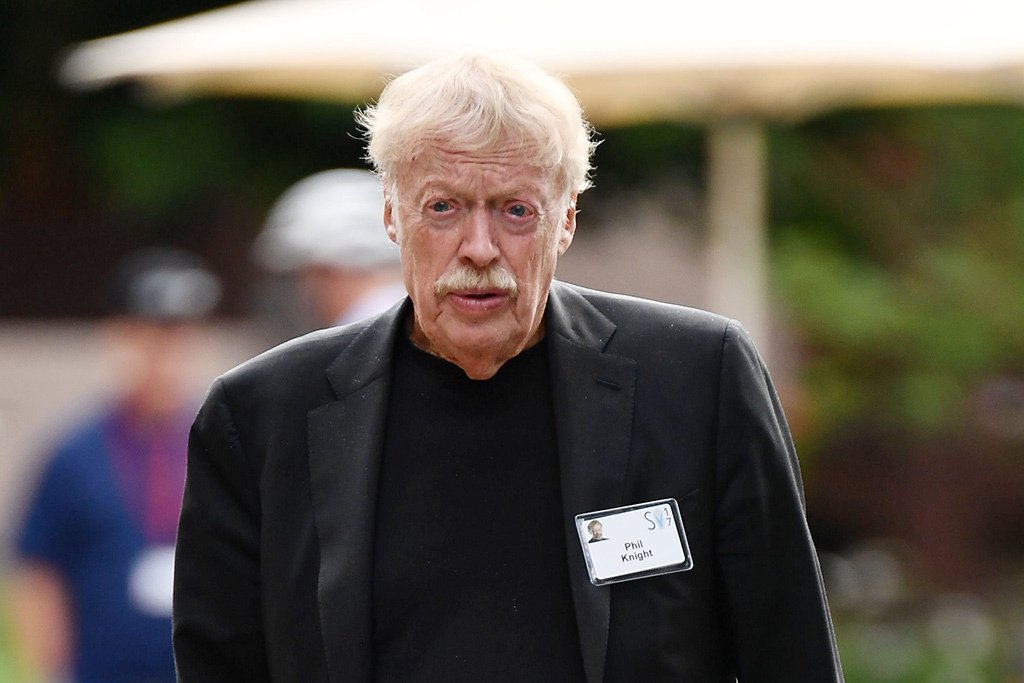
Travis Knight pursued a different career path from his father. He joined Will Vinton Studios as an animator in the late 1990s. When Phil Knight bought the company in 2003 and renamed it Laika, Travis eventually became CEO and president.
Private Life
The Knights currently reside primarily in La Quinta, California, though they maintain ties to Oregon. Phil Knight is known for being intensely private, rarely giving interviews or making public appearances.
Despite his immense wealth, Knight maintains relatively modest personal habits. He’s described as aloof by those who know him, preferring to work behind the scenes rather than seeking public attention.
Retirement from Nike
Stepping Down as CEO
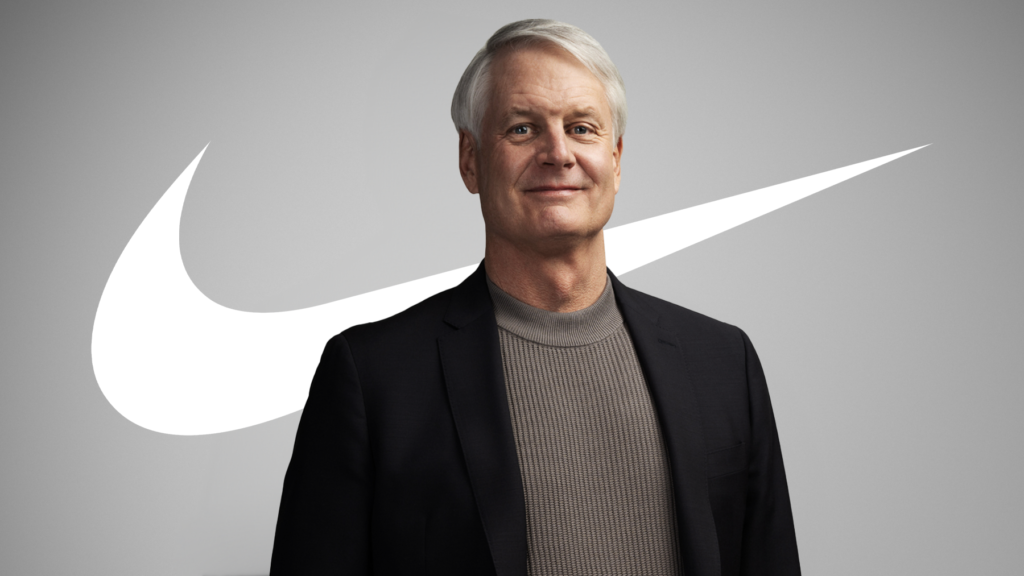
In November 2004, Knight announced his resignation as Nike’s CEO, though he retained his position as chairman of the board. This transition came during the same difficult year that his son Matthew passed away.
Mark Parker succeeded Knight as CEO. Knight’s decision reflected his desire to ensure Nike’s continued success under new leadership while remaining involved at a strategic level.
Chairman Tenure and Final Retirement
Knight continued as Nike’s chairman until June 2015, when he announced he would step down. Mark Parker succeeded him in this role as well. Knight’s retirement from the board took effect at the end of June 2016.
Even after official retirement, Knight maintained influence as Chairman Emeritus. In September 2017, he briefly came out of retirement for specific projects, showing his ongoing passion for the brand he built.
Legacy at Nike
Knight’s leadership transformed Nike from a small shoe distributor into a global icon. His 52 years of service established corporate culture, strategic vision, and brand identity that continue today.
The company he built employs hundreds of thousands worldwide and generates tens of billions in annual revenue. Knight’s impact on sports marketing and athletic apparel cannot be overstated.
Philanthropy and Giving Back
Educational Donations
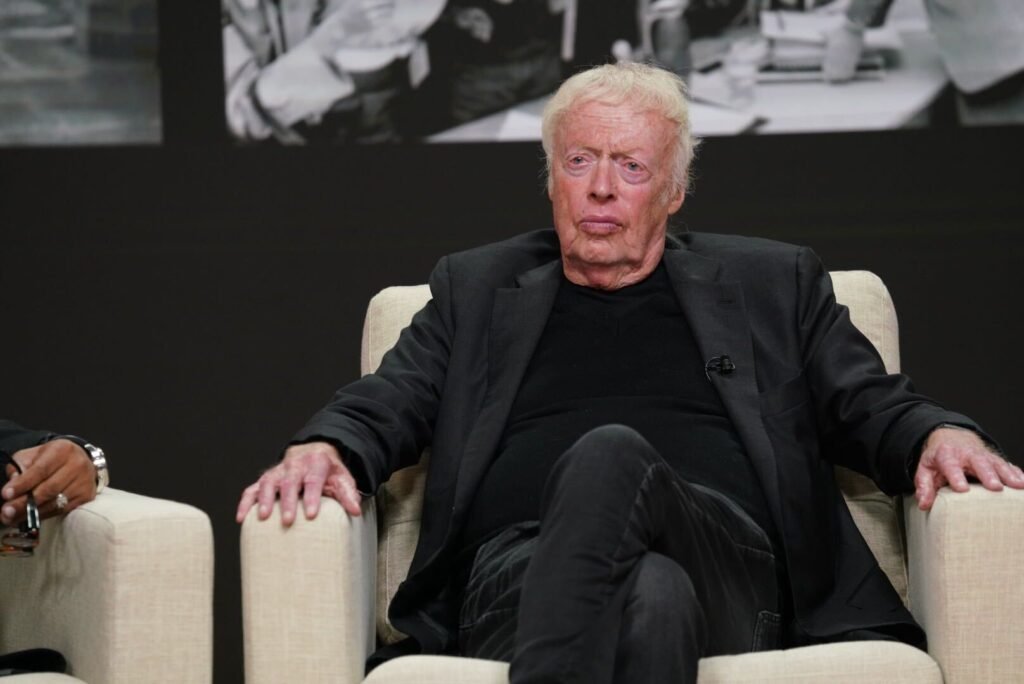
Knight has donated over $2 billion to educational institutions, making him one of America’s most generous philanthropists. His alma maters have received unprecedented support from their famous alumnus.
University of Oregon
Knight has donated over $1 billion to the University of Oregon. In 2013, he pledged $500 million for campus development. In 2021, he made another $500 million donation for science research facilities.
His contributions funded numerous athletic facilities including the $68 million football training center and the Matthew Knight Arena. The university library is named after his mother, and his father’s name appears on the law school.
Knight’s philanthropy extends beyond buildings to scholarships, academic programs, and research initiatives. He’s helped transform Oregon into a leading research university.
Stanford University
In 2006, Knight donated $105 million to Stanford Graduate School of Business—the largest individual donation to a U.S. business school at that time. The campus was renamed “The Knight Management Center” in his honor.
In 2016, Knight contributed $400 million to launch the Knight-Hennessy Scholars program. Inspired by the Rhodes Scholarship, this graduate-level program brings scholars from around the world to tackle global challenges like climate change and poverty.
In May 2022, Phil and Penny Knight gifted Stanford $75 million to establish the Phil and Penny Knight Initiative for Brain Resilience. This initiative studies cognitive decline and degenerative brain diseases including Parkinson’s and Alzheimer’s.
Healthcare Contributions
In 2008, the Knights pledged $100 million to the Oregon Health & Science University (OHSU) Cancer Institute. In 2013, Knight issued a challenge: if the university raised $500 million for cancer research, he would match it with another $500 million.
The university successfully met the challenge. The center is now called the OHSU Knight Cancer Institute and conducts groundbreaking cancer research. This $1 billion commitment represents one of the largest private investments in cancer research.
Philip H. Knight Charitable Foundation Trust
Knight founded this charitable trust in 1990 to organize and direct his philanthropic efforts. The foundation supports educational institutions, healthcare facilities, and various community initiatives.
The Portland Business Journal declared Knight “the most generous philanthropist in Oregon history” as of 2016. His lifetime gifts approaching $2 billion have transformed institutions and communities.
The Laika Animation Studio
Investment and Ownership
In the late 1990s, Knight invested in Will Vinton Studios, a stop-motion animation company where his son Travis worked as an animator. In 2003, Knight purchased the company outright and renamed it Laika.
This investment reflected Knight’s willingness to support his son’s passions and explore business opportunities beyond athletic wear. Laika became famous for producing high-quality stop-motion animated films.
Success and Recognition
Laika’s first major release, “Coraline” (2009), received critical acclaim and commercial success. The film showcased the studio’s distinctive visual style and storytelling approach.
Subsequent films including “ParaNorman,” “The Boxtrolls,” “Kubo and the Two Strings,” and “Missing Link” established Laika as a premier animation studio. The company’s films have received multiple Academy Award nominations.
Travis Knight now serves as CEO and president of Laika. Under his leadership, the studio has maintained its reputation for artistic excellence and technical innovation in stop-motion animation.
Political Involvement
His political involvement reflects his fiscally conservative views and concerns about Oregon’s increasingly progressive policies. Knight has been vocal about his discomfort with the state’s political direction.
Notable Political Contributions
In 2010, Knight was one of the largest contributors to a campaign opposing proposed tax increases on corporations and wealthy individuals. Despite his substantial financial support, the tax measure ultimately passed.
In 2022, Knight donated millions to candidates running for Governor of Oregon. He told newspapers that he supports candidates who will prioritize economic growth and public safety.
While primarily supporting Republicans, Knight has occasionally backed Democratic candidates when he believes they align with his priorities for business-friendly policies and effective governance.
Political Philosophy
Knight describes his political views as conservative, particularly regarding fiscal policy and business regulation. However, he’s not rigidly partisan and evaluates candidates based on their specific policy positions.
His political engagement reflects his belief that successful business leaders should participate in civic affairs. Knight sees his contributions as investments in Oregon’s future prosperity.
Shoe Dog Memoir

Publication and Reception
In April 2016, Knight published his memoir “Shoe Dog: A Memoir by the Creator of Nike” through Simon & Schuster. The book provides an intimate look at Nike’s founding and growth.
“Shoe Dog” became a massive bestseller, spending over two years on The New York Times Best Seller list. It ranked fifth among business books in July 2018 and has sold millions of copies worldwide.
Content and Themes
The memoir chronicles Knight’s journey from importing Japanese shoes to building a global empire. It details financial struggles, partnership challenges, and the federal investigations Nike faced.
Knight writes candidly about his fears, failures, and the near-bankruptcy experiences that almost ended Nike before it truly began. His honest storytelling resonated with entrepreneurs and general readers alike.
The book explores Knight’s relationship with Bill Bowerman, highlighting how their complementary skills created business success. It also discusses key employees who helped build Nike’s culture and operations.
Impact and Legacy
“Shoe Dog” is considered essential reading for entrepreneurs and business students. The book provides practical lessons about perseverance, innovation, and building meaningful partnerships.
Many consider it a “holy grail” for sneaker enthusiasts and Nike fans. The memoir humanizes Knight and reveals the personal sacrifices behind Nike’s success.
The book’s success introduced Phil Knight to a new generation who weren’t familiar with Nike’s origin story. It cemented his status as one of business history’s most compelling figures.
Nike’s Cultural Impact
Sports Marketing Revolution
Knight fundamentally changed how companies approach sports marketing. Before Nike, athletic endorsements were relatively modest affairs. Knight understood that athletes could transcend sports to become cultural icons.
Nike’s “Just Do It” campaign, launched in 1988, became one of advertising’s most successful slogans. The campaign encouraged people to embrace athletic challenges regardless of their skill level.
Athlete Partnerships
Beyond Michael Jordan, Knight cultivated relationships with athletic legends including Tiger Woods, Serena Williams, LeBron James, and Cristina Ronaldo. These partnerships elevated both the athletes and Nike’s brand.
Knight pioneered the concept of signature athlete product lines. This strategy created sub-brands within Nike that appealed to different consumer segments and sustained long-term sales.
Business Philosophy and Leadership Style

He fostered a corporate culture that valued innovation and creativity. Knight encouraged employees to experiment and challenge conventional wisdom about product design and marketing.
Long-term Vision
Knight always maintained a long-term perspective rather than focusing on quarterly results. This approach allowed Nike to invest in brand-building and infrastructure during periods when short-term profits might have suffered.
His patience and strategic thinking enabled Nike to weather difficult periods and emerge stronger. Knight understood that building an enduring brand required sustained commitment.
Relationship Building
Knight excelled at building meaningful relationships with athletes, employees, and business partners. He understood that business success depends on strong personal connections and mutual trust.
His ability to inspire loyalty helped Nike retain key talent and maintain productive partnerships. Many employees speak of Knight’s ability to make them feel valued and important to Nike’s mission.
Honors and Recognition
Industry Awards
Knight has received numerous honors recognizing his business achievements and cultural impact. In 2000, he was inducted into the Oregon Sports Hall of Fame.
In 2012, Knight was inducted into the Naismith Memorial Basketball Hall of Fame as a contributor, recognizing his revolutionary impact on basketball culture through Nike’s marketing and products.
He received the Golden Plate Award from the American Academy of Achievement in 1989. In 2015, he was elected to the American Academy of Arts and Sciences.
Academic Recognition
Both Stanford and the University of Oregon have extensively honored Knight for his contributions. Beyond naming buildings after him, both schools have established awards and professorships in his name.
Knight is regularly cited in business school case studies as an exemplar of entrepreneurial success. His strategies and decisions are analyzed in MBA programs worldwide.
Cultural Impact
Sports Illustrated dubbed Knight “the most powerful person in sports,” an extraordinary recognition for someone who isn’t an athlete or team owner. This reflects his profound influence on sports culture and economics.
The 2023 film “Air” brought Knight’s story to mainstream audiences. Ben Affleck’s portrayal introduced millions to the Nike origin story and Knight’s pivotal role in sports marketing history.
Current Life and Activities
Private Lifestyle
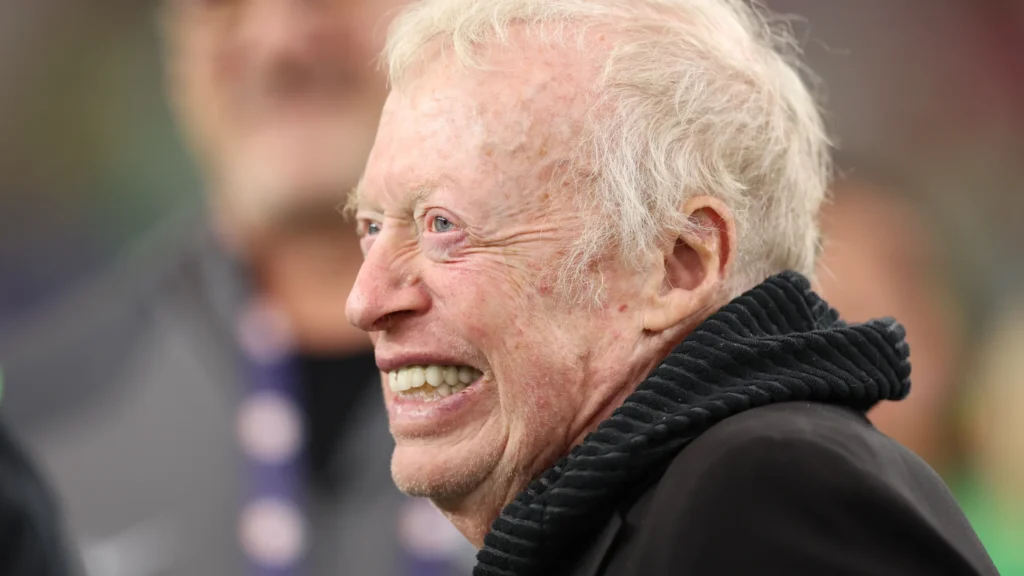
At 87 years old, Knight maintains a low public profile. He splits time between residences in California and Oregon, enjoying privacy away from public scrutiny.
Despite his wealth, Knight is known for relatively modest personal tastes. He’s more interested in building institutions and supporting causes than conspicuous consumption.
Continued Involvement
Though officially retired, Knight remains connected to Nike as Chairman Emeritus. He offers counsel to current leadership and maintains interest in the company’s direction.
Knight continues his philanthropic work through his foundation. He remains active in determining how his wealth can best serve educational and healthcare institutions.
Legacy Planning
Knight has been thoughtful about ensuring his wealth continues benefiting society after his lifetime. His charitable foundation and family trusts are structured to support causes he cares about for generations.
His son Travis represents the next generation of Knight family leadership, though in animation rather than athletic wear. The family maintains significant Nike holdings, ensuring continued connection to Phil’s greatest creation.
Lessons from Phil Knight’s Life
Perseverance Through Adversity
Knight’s journey wasn’t smooth or predetermined. Nike nearly failed multiple times in its early years. Knight’s ability to persevere through financial crises and competitive challenges demonstrates the importance of persistence.
His memoir reveals moments of profound doubt and fear. Yet Knight continued pushing forward, believing in his vision even when circumstances seemed hopeless.
Importance of Partnerships
Knight’s partnership with Bill Bowerman proved essential to Nike’s success. Neither could have achieved alone what they accomplished together. Their complementary skills created synergy.
This lesson extends beyond business partnerships to relationships with athletes, employees, and investors. Knight understood that success requires collaboration and shared vision.
Knight’s willingness to sacrifice short-term profits for long-term brand building differentiated Nike from competitors. He invested heavily in marketing and athlete relationships when others focused on immediate returns.
His patient capital and strategic thinking enabled Nike to dominate the athletic wear industry for decades. Quick profits were never Knight’s goal—building an enduring institution was.
Giving Back
Despite his wealth, Knight’s most meaningful legacy may be his philanthropy. His billions in donations have transformed educational and healthcare institutions, creating opportunities for future generations.
Knight demonstrates that business success creates responsibilities beyond shareholder value. His charitable work shows how wealth can serve broader social purposes.
Frequently Asked Questions (FAQs)
How old is Phil Knight in 2026?
Phil Knight is 87 years old in 2026, having been born on February 24, 1938, in Portland, Oregon. He celebrates his birthday each year on February 24th.
What is Phil Knight’s net worth in 2026?
Phil Knight’s net worth is estimated between $32-35 billion as of 2026. His wealth primarily comes from his ownership stake in Nike, Inc., which he co-founded in 1964.
Who is Phil Knight’s wife?
Phil Knight is married to Penelope “Penny” Parks Knight. They married on September 13, 1968, and have been together for over 55 years, supporting each other through personal tragedies and business triumphs.
How did Phil Knight start Nike?
Phil Knight co-founded Blue Ribbon Sports in 1964 with his former track coach Bill Bowerman, initially importing Japanese running shoes. In 1971, they renamed the company Nike after the Greek goddess of victory.
What happened to Phil Knight’s son Matthew?
Matthew Knight tragically died in 2004 at age 34 during a scuba diving accident in El Salvador. He suffered cardiac arrest due to an undetected congenital heart defect. The University of Oregon’s Matthew Knight Arena was named in his memory.
Is Phil Knight still involved with Nike?
Phil Knight officially retired from Nike’s board in 2016 after 52 years of service. He currently serves as Chairman Emeritus and maintains significant ownership through family trusts and personal holdings.
How much has Phil Knight donated to charity?
Phil Knight has donated over $2 billion to charitable causes, primarily educational institutions and healthcare research. Major recipients include the University of Oregon, Stanford University, and Oregon Health & Science University.
What is the book “Shoe Dog” about?
“Shoe Dog” is Phil Knight’s 2016 memoir chronicling Nike’s founding and growth. It details his journey from importing shoes to building a global empire, including financial struggles, partnerships, and personal challenges along the way.
Who owns Nike today?
Nike is publicly traded, but the Knight family maintains significant control through ownership of approximately 20% of shares. Travis Knight (Phil’s son) and family trusts including Swoosh LLC hold these shares.
What is Phil Knight’s greatest achievement?
Phil Knight’s greatest achievement is transforming Nike from a small shoe distributor into the world’s largest athletic wear company. He revolutionized sports marketing, created sneaker culture, and built a brand that transcends athletics to influence global popular culture.
Conclusion
Phil Knight’s remarkable journey from a middle-distance runner to one of the world’s wealthiest individuals exemplifies the American entrepreneurial dream.
At 87 years old, his legacy extends far beyond Nike’s iconic swoosh logo and billions in revenue. Knight revolutionized sports marketing, transformed athletic wear into lifestyle fashion, and created a corporate culture that values innovation and excellence.
His partnership with Bill Bowerman demonstrated the power of complementary skills and shared vision. Together, they built not just a company but a cultural phenomenon that influenced generations.
Knight’s willingness to take calculated risks, think long-term, and persevere through adversity provides valuable lessons for aspiring entrepreneurs worldwide.
Beyond business success, Knight’s philanthropy has transformed educational and healthcare institutions. His over $2 billion in charitable donations demonstrates that wealth carries responsibilities beyond personal enrichment.
The universities, research centers, and scholarship programs he’s funded will benefit society for generations.
Phil Knight’s story, beautifully chronicled in “Shoe Dog,” reminds us that success requires vision, persistence, and courage.
His life proves that one person’s passion and determination can indeed change the world—one step at a time.