
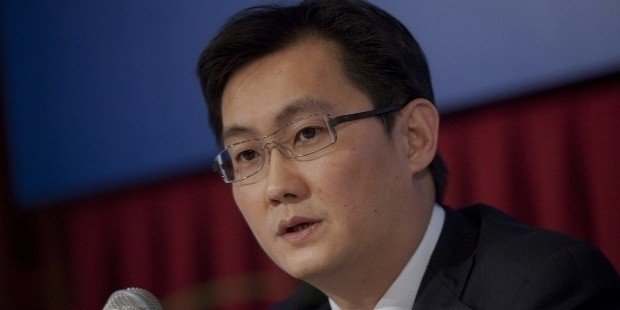
Ma Huateng age currently stands at 53 years old, born on October 29, 1971, and this Chinese tech visionary has transformed from a modest software developer earning $176 monthly into one of the world’s wealthiest individuals.
Known affectionately as “Pony Ma,” he co-founded Tencent Holdings in 1998, building it into Asia’s most valuable technology company and creator of WeChat, the super-app used by over 1.4 billion people globally.
His journey from developing pager software in Shenzhen to becoming China’s second-richest person with a staggering net worth exceeding $61 billion showcases remarkable entrepreneurial vision and strategic brilliance that has reshaped China’s digital landscape and influenced global technology trends for over two decades.
Table of Contents
Quick Facts: Ma Huateng at a Glance
| Category | Details |
|---|---|
| Full Name | Ma Huateng (马化腾) |
| Nickname | Pony Ma |
| Date of Birth | October 29, 1971 |
| Age (2026) | 53 years old |
| Birthplace | Chaoyang, Shantou, Guangdong Province, China |
| Current Residence | Shenzhen, Guangdong, China |
| Nationality | Chinese |
| Education | Bachelor of Science in Computer Science, Shenzhen University (1993) |
| Occupation | Business Executive, Entrepreneur, Investor, Philanthropist |
| Position | Co-founder, Chairman, and CEO of Tencent Holdings |
| Net Worth (2026) | $61.88 billion (29th richest globally, 2nd in China) |
| Wife | Wang Dan-ting |
| Children | Daughter Ma Manlin |
| Father | Ma Chenshu (Port Manager, Communist Party Member) |
| Mother | Huang Huiqing |
| Company Founded | Tencent Holdings Limited (November 1998) |
| Major Product | WeChat (1.4 billion users), QQ, Tencent Games |
| Tencent Stake | Approximately 8% ownership |
| Company Revenue (2024) | 660.3 billion yuan ($91.7 billion) |
| Awards | Time’s Most Influential People (2007, 2014, 2018), Forbes Power List |
| Languages | Mandarin, Cantonese, English |
Ma Huateng Age: The Early Years (1971-1989)
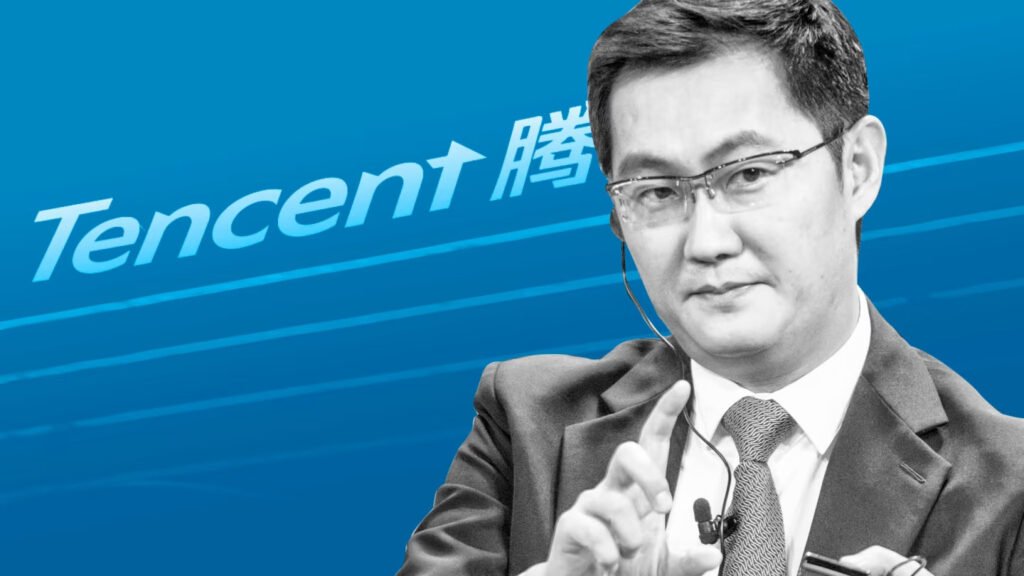
Ma Huateng age journey begins in Chaoyang, a district in Shantou city, Guangdong Province, where he was born on October 29, 1971. His birthplace positioned him in one of China’s most economically dynamic regions during a transformative period in Chinese history.
His father, Ma Chenshu, worked as a Communist Party member and later secured employment as a port manager. This professional trajectory prompted the family to relocate first to Hainan Island and eventually to Shenzhen, near Hong Kong, when Ma Huateng was still quite young.
Growing up in Shenzhen during China’s economic opening proved formative for young Ma. The city became one of China’s first Special Economic Zones in 1980, creating an environment of innovation, entrepreneurship, and technological advancement that would deeply influence his future career path.
As a child, Ma harbored dreams of becoming an astronomer. This passion for exploration and understanding complex systems would later manifest in his approach to building interconnected technology platforms that map human communication patterns across digital space.
Educational Foundation at Shenzhen University (1989-1993)
At age 18 in 1989, Ma Huateng enrolled at Shenzhen University, pursuing a degree in computer science. This timing coincided with the personal computer revolution beginning to sweep through China, exposing Ma to cutting-edge technology and programming concepts.
His university years between 1989 and 1993 provided technical foundations in software engineering, algorithms, and computer systems architecture. Ma demonstrated exceptional aptitude in programming and showed particular interest in telecommunications applications and network technologies.
The friendships Ma cultivated at Shenzhen University would prove invaluable to his future. Among his classmates was Zhang Zhidong, who would become his co-founder and technical partner in launching Tencent just five years after graduation.
Ma graduated in 1993 with a Bachelor of Science degree in Computer Science and Applied Engineering. At age 22, armed with technical skills and entrepreneurial ambition, he entered China’s rapidly evolving telecommunications industry ready to make his mark.
First Career Steps: Humble Beginnings (1993-1998)
After graduation at age 22, Ma Huateng joined China Motion Telecom Development (CMTD) in 1993. His role focused on developing software for pagers, the primary mobile communication technology before cell phones became widespread in China.
His monthly salary stood at just $176, a modest income that barely covered basic living expenses in Shenzhen. Despite the low compensation, this position provided invaluable experience in telecommunications software development and understanding consumer communication needs.
Ma later worked in the research and development department at Shenzhen Runxun Communications Co., Ltd., focusing on Internet calling systems. This exposure to early Internet technologies sparked his imagination about the potential for online communication platforms.
During these five years from age 22 to 27, Ma developed deep technical expertise while watching the Internet revolution unfold globally. He spent personal time exploring the emerging World Wide Web, researching successful Internet companies, and identifying gaps in China’s digital infrastructure.
The Tencent Founding Story: Age 27 (1998)
In November 1998, at age 27, Ma Huateng made the pivotal decision to leave steady employment and co-found Tencent Holdings with four classmates from Shenzhen University: Zhang Zhidong, Xu Chenye, Chen Yidan, and Zeng Liqing. The company name “Tengxun” translates to “galloping message” in Mandarin.
The inspiration struck after Ma attended a presentation for ICQ, the world’s first Internet instant messaging service created by an Israeli company in 1996. He recognized that China lacked a localized instant messaging platform adapted to Chinese language, culture, and user preferences.
Initial funding came from the founders’ personal savings and venture capital sources. The team operated with minimal resources, working long hours from a modest office space in Shenzhen’s developing technology district.
Ma’s vision centered on creating free communication tools that would attract massive user bases. This freemium model contradicted conventional business wisdom but aligned with his long-term strategy of building ecosystem dominance through user adoption rather than immediate monetization.
OICQ Launch and Early Struggles: Age 28 (1999)
In February 1999, at age 28, Ma Huateng and his team officially launched OICQ (Open ICQ), their Chinese-language instant messaging service. The product featured a user-friendly interface, cute penguin mascot, and features tailored specifically for Chinese users.
The response exceeded all expectations. OICQ attracted over one million registered users by the end of 1999, making it one of China’s largest communication platforms within just ten months. The explosive growth validated Ma’s vision but created new challenges.
Operating costs skyrocketed as server demands increased with each new user. Since OICQ was offered completely free, Tencent generated virtually no revenue despite its popularity. The company burned through cash reserves rapidly, facing potential bankruptcy despite product-market fit success.
Ma later reflected: “We knew our product had a future, but at that time we just couldn’t afford it.” This crisis forced him to seek external funding and develop creative monetization strategies that wouldn’t alienate the growing user base.
Trademark Battle and QQ Rebranding: Age 29 (2000)
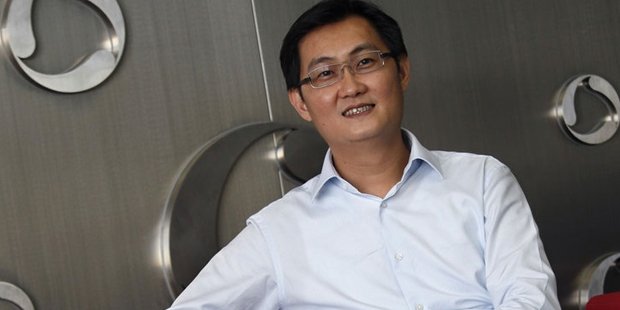
In 2000, at age 29, Ma Huateng faced a critical legal challenge. AOL (America Online), which had acquired ICQ in 1998, filed trademark arbitration against Tencent with the National Arbitration Forum, claiming OICQ violated ICQ’s intellectual property rights.
Tencent lost the case and was forced to relinquish the OICQ.com and OICQ.net domain names. This setback could have destroyed the company, but Ma pivoted quickly, rebranding the service simply as “QQ” – a name that proved even more memorable and culturally resonant.
The QQ name derived from the service’s cute, cartoon-style interface and the “Q” letter’s association with being cool and trendy in Chinese youth culture. The rebranding paradoxically strengthened brand identity rather than diminishing it.
Also in 2000, Ma secured crucial funding from US investment firm IDG and Hong Kong telecom carrier Pacific Century CyberWorks (PCCW), which acquired 40% of Tencent for $2.2 million. This capital injection saved the company and provided runway for sustainable growth.
Revenue Model Innovation: Age 29-32 (2000-2003)
Between ages 29 and 32, Ma Huateng developed innovative revenue streams that transformed Tencent from a cash-burning startup into a profitable enterprise. He struck deals with Chinese telecom operators to share messaging fees when QQ users sent messages to mobile phones.
This mobile integration strategy proved brilliant. By 2001, approximately 80% of Tencent’s revenue came from telecommunications partnerships. Ma had discovered how to monetize free Internet services through strategic B2B relationships rather than charging end users directly.
Ma also pioneered virtual goods and premium features, allowing users to purchase QQ avatar accessories, special emoticons, and VIP membership benefits. Chinese users enthusiastically embraced this microtransaction model, spending small amounts frequently to customize their digital identities.
These early revenue innovations established business model templates that Ma would refine and expand throughout his career. His approach balanced free access that drove user growth with optional premium features that converted engaged users into paying customers.
IPO Success: Age 32 (2004)
On June 16, 2004, at age 32, Ma Huateng took Tencent public on the Hong Kong Stock Exchange. The initial public offering raised nearly $200 million and valued the company at $532 million, marking a watershed moment in Chinese Internet history.
The IPO transformed Ma from a successful entrepreneur into a wealthy business magnate. His personal stake in Tencent suddenly carried substantial paper value, though he remained focused on long-term company building rather than short-term wealth extraction.
Going public provided capital for aggressive expansion and legitimacy that attracted top talent, strategic partners, and government support. Ma used the IPO proceeds to invest in infrastructure, acquire complementary services, and expand Tencent’s ecosystem beyond instant messaging.
By 2004, QQ had become China’s dominant instant messaging platform with hundreds of millions of users. Ma’s vision of building indispensable communication infrastructure for Chinese Internet users had been vindicated through both user adoption and market valuation.
Ecosystem Expansion: Age 33-40 (2005-2011)
Between ages 33 and 40, Ma Huateng orchestrated Tencent’s transformation from a single-product company into a diversified Internet conglomerate. He expanded aggressively into online gaming, launching QQ Games and acquiring or developing popular titles.
Gaming became Tencent’s most lucrative business segment under Ma’s leadership. He recognized that the same users spending hours chatting on QQ would spend money on virtual goods in games, creating powerful cross-selling synergies within Tencent’s ecosystem.
Ma launched QQ.com portal, Qzone social networking (which grew to 670+ million users), online advertising platforms, and e-commerce initiatives. Each new service integrated with QQ, creating network effects where each product strengthened the entire ecosystem.
In 2011, at age 39, Ma approved the development of WeChat (Weixin in Chinese), a mobile-first messaging app designed for the smartphone era. This strategic decision to potentially cannibalize QQ’s dominance demonstrated Ma’s willingness to disrupt his own products.
WeChat Revolution: Age 40-43 (2011-2014)
WeChat launched in January 2011 when Ma Huateng was age 39, just months before his 40th birthday. The app offered voice messaging, video calls, and social networking features optimized for smartphones rather than desktop computers.
WeChat grew explosively, reaching 100 million users within 14 months and 300 million within two years. By age 42 in 2013, Ma had successfully transitioned Tencent from PC-era dominance to mobile leadership, avoiding the fate of many Internet companies disrupted by mobile.
Ma expanded WeChat beyond messaging into a “super-app” platform. Users could make mobile payments, order food, book taxis, pay utility bills, access government services, and shop without ever leaving WeChat’s ecosystem.
This platform strategy positioned WeChat as essential infrastructure in Chinese daily life. By 2014, when Ma turned 43, WeChat had over 500 million monthly active users and was processing billions of dollars in mobile payment transactions.
Global Recognition: Age 36-47 (2007-2018)
Ma Huateng’s achievements earned international recognition throughout his late 30s and 40s. Time magazine named him one of the “World’s Most Influential People” in 2007 at age 36, recognizing his impact on global communications technology.
Time honored him again in 2014 (age 43) and 2018 (age 47), cementing his status among technology’s most impactful leaders. These recognitions placed Ma alongside figures like Mark Zuckerberg, Jeff Bezos, and Elon Musk.
In 2015, at age 44, Forbes featured Ma on their list of the world’s most powerful people. By 2017, Fortune ranked him among the top businessmen of the year, and he became the first Chinese businessman to feature in Forbes’ top 10 richest people globally.
Despite this fame, Ma maintained a low public profile compared to peers like Jack Ma (Alibaba founder). He rarely granted Western media interviews and avoided the celebrity CEO persona, preferring to let Tencent’s products speak for themselves.
Philanthropy: Age 45 (2016)
In 2016, at age 45, Ma Huateng demonstrated serious commitment to philanthropy by transferring $2.3 billion worth of personal Tencent shares to the Ma Huateng Global Foundation (马化腾环球基金会), his charitable organization.
This massive donation represented one of the largest charitable contributions in Chinese history at that time. Ma established the foundation to support education, environmental protection, healthcare, and disaster relief initiatives throughout China and globally.
Ma’s philanthropic approach mirrors Warren Buffett’s philosophy of strategic giving rather than conspicuous charity. He focuses on systemic solutions to social challenges, leveraging technology and data to maximize philanthropic impact per dollar invested.
The foundation operates quietly, avoiding publicity while funding hundreds of projects. Ma and his wife Wang Dan-ting personally support numerous causes, particularly educational opportunities for underprivileged children in rural Chinese communities.
Regulatory Challenges: Age 49-51 (2020-2022)
Between ages 49 and 51, Ma Huateng navigated China’s regulatory crackdown on technology companies. The government implemented stricter oversight of data privacy, antitrust concerns, and content moderation, significantly impacting Tencent’s operations and valuation.
In 2021, when Ma was 50, Chinese regulators suspended new game approvals for months, directly affecting Tencent’s most profitable division. The company’s stock price declined significantly as investors worried about increased government intervention.
Ma adapted by emphasizing Tencent’s commitment to social responsibility, implementing youth gaming time limits, and investing heavily in “common prosperity” initiatives aligned with government priorities. His politically savvy approach helped Tencent weather the storm better than some competitors.
Throughout these challenges, Ma maintained his characteristically low profile, avoiding public statements that might antagonize regulators while quietly restructuring Tencent’s operations to ensure compliance with evolving regulations.
Current Status: Age 53 (2026)
At age 53 in 2026, Ma Huateng continues serving as Tencent’s Chairman and CEO, maintaining strategic oversight of one of the world’s largest technology companies. His leadership has guided Tencent through multiple technological shifts and market cycles.
Tencent’s 2024 revenue reached 660.3 billion yuan ($91.7 billion), with WeChat maintaining approximately 1.4 billion monthly active users. The company dominates Chinese gaming, social networking, fintech, and cloud computing markets.
Ma’s current net worth stands at approximately $61.88 billion according to the Bloomberg Billionaires Index, ranking him 29th globally and second in China behind only Zhong Shanshan. His wealth derives primarily from his 8% stake in Tencent Holdings.
Despite his immense wealth and influence, Ma maintains the same reserved, technology-focused approach that has characterized his career. He continues emphasizing innovation, international expansion, and adapting Tencent’s services to emerging technologies like artificial intelligence.
Marriage to Wang Dan-ting: Private Life
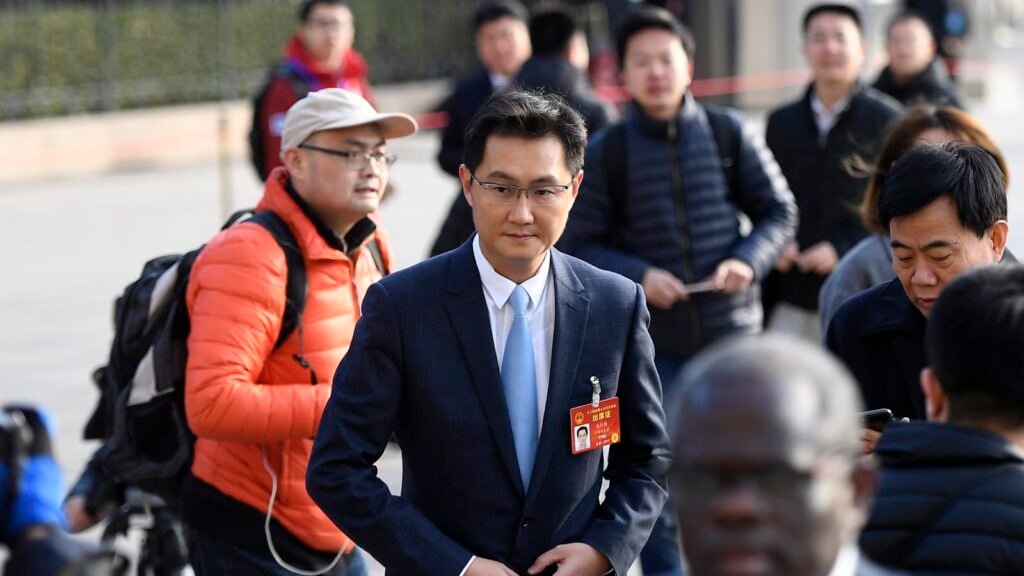
Ma Huateng married Wang Dan-ting in a private ceremony, though the exact wedding date and location remain undisclosed. Their relationship exemplifies Ma’s preference for keeping personal matters away from public scrutiny and media attention.
Interestingly, the couple met through QQ, Tencent’s instant messaging platform. Wang Dan-ting reportedly didn’t know who Ma was initially, engaging with him as just another user on the service he created. This organic meeting demonstrates the real-world impact of Ma’s technology.
Wang Dan-ting is a talented musician who plays the erhu, a traditional Chinese two-stringed instrument. She studied under Professor Li Changgong at Harbin Normal University and maintains deep appreciation for classical Chinese culture and arts.
Like her husband, Wang maintains an extremely low public profile. She rarely appears at public events or in media coverage, preferring to support charitable causes privately alongside Ma rather than seeking publicity for their philanthropic activities.
Family: Daughter Ma Manlin
Ma Huateng and Wang Dan-ting have one daughter named Ma Manlin, who has inherited her parents’ preference for privacy. Very little information about Ma Manlin exists in public records or media coverage.
The family resides together in Shenzhen, Guangdong Province, where Ma has lived since his youth. Despite his immense wealth, Ma reportedly maintains a relatively modest lifestyle compared to many billionaires of similar net worth.
Ma Manlin has been occasionally mentioned in connection with dating Wang Sicong, son of Wang Jianlin, founder of Dalian Wanda Group. However, these reports remain unconfirmed, and both families maintain strict privacy regarding personal relationships.
Ma’s parenting approach reportedly emphasizes education, cultural appreciation, and social responsibility rather than material excess. He wants his daughter to develop her own identity and contributions rather than being defined solely by family wealth.
Father: Ma Chenshu’s Influence
Ma Chenshu, Ma Huateng’s father, significantly influenced his son’s career trajectory and values. As a Communist Party member and port manager in Shenzhen, Ma Chenshu provided both financial stability and political understanding.
The elder Ma’s work in Shenzhen’s port management exposed young Ma Huateng to international trade, logistics, and the practical applications of technology in commerce. This early exposure helped shape Ma’s understanding of how technology enables business operations.
Ma Chenshu was also an early investor in Tencent, providing seed capital when his son founded the company at age 27. This parental support proved crucial during Tencent’s cash-strapped early years before external venture capital arrived.
The father-son relationship reflects traditional Chinese family values where parents support children’s ambitions while children honor parents through achievement. Ma Chenshu’s guidance helped his son navigate China’s complex business and political landscape successfully.
Net Worth Evolution: Path to $61.88 Billion
Ma Huateng’s net worth has experienced dramatic fluctuations throughout his career. In 1998 at company founding (age 27), his net worth was essentially zero. By 2004’s IPO (age 32), his stake was worth approximately $50 million.
By 2013 (age 42), Ma’s net worth exceeded $10 billion, placing him among the world’s 200 richest individuals. The WeChat revolution accelerated his wealth accumulation as Tencent’s valuation soared throughout the 2010s.
Ma’s net worth peaked at approximately $65 billion in 2021 (age 50) before China’s tech regulatory crackdown reduced Tencent’s market capitalization significantly. His wealth declined to around $37-43 billion in 2022-2023.
As of 2026, Ma’s net worth has recovered to $61.88 billion, reflecting Tencent’s adaptation to regulatory requirements and continued strong business performance. His wealth derives primarily from his 8% Tencent stake, plus property holdings, art collections, and other investments.
Tencent Holdings: Building Asia’s Most Valuable Company
Under Ma Huateng’s leadership since 1998, Tencent evolved from a five-person startup to Asia’s most valuable technology company. The company’s market capitalization has exceeded $500 billion at various points, making it one of the world’s top ten most valuable corporations.
Tencent’s business portfolio spans instant messaging (WeChat, QQ), social networking (Qzone), gaming (Tencent Games, Riot Games, Supercell investments), fintech (WeChat Pay), cloud computing, online advertising, entertainment (Tencent Video, Tencent Music), and strategic investments in hundreds of companies globally.
Ma’s management philosophy emphasizes internal competition, allowing multiple teams to develop competing products and letting market success determine which receives resources. This approach created WeChat despite internal resistance from QQ’s team.
The company employs over 100,000 people globally and generates annual revenue exceeding $90 billion. Ma’s strategic vision transformed Tencent from a Chinese communications company into a global technology conglomerate rivaling American giants like Amazon, Google, and Facebook.
WeChat: Ma’s Greatest Creation
WeChat represents Ma Huateng’s most impactful innovation, transforming how over 1.4 billion people communicate, transact, and access services. The super-app combines messaging, social networking, mobile payments, mini-programs, and countless third-party services in one platform.
Ma’s vision for WeChat extended beyond messaging to become digital infrastructure for daily life. Users can order food, pay bills, access government services, invest money, book transportation, shop, play games, and consume entertainment without leaving WeChat’s ecosystem.
The WeChat Pay mobile payment system processes trillions of dollars annually, making China one of the world’s most cashless societies. Street vendors, luxury stores, and everything between accept WeChat Pay, creating network effects that reinforced adoption.
WeChat’s success influenced global technology, inspiring Facebook’s attempt to replicate the super-app model and demonstrating how mobile platforms could integrate previously separate services into unified digital experiences.
Gaming Empire: Tencent’s Most Profitable Segment
Ma Huateng recognized gaming’s profit potential early, aggressively expanding Tencent into the sector throughout his 30s and 40s. Today, Tencent Games is the world’s largest video game company by revenue, generating tens of billions annually.
Tencent owns Riot Games (League of Legends), has substantial stakes in Epic Games (Fortnite), Activision Blizzard, Ubisoft, and Supercell (Clash of Clans), plus develops popular mobile games like Honor of Kings and PUBG Mobile.
Ma’s gaming strategy focuses on both development and strategic investment, providing capital and distribution access to promising studios globally while maintaining operational independence. This approach builds a diversified portfolio reducing dependence on single titles.
Gaming revenue allows Tencent to offer free or low-cost communication services that drive ecosystem growth. Ma essentially uses gaming profits to subsidize infrastructure development, creating competitive moats through free services competitors cannot match economically.
Investment Strategy: The “Warren Buffett of Tech”
Ma Huateng earned the nickname “Warren Buffett of Tech” for his patient, strategic investment approach. Rather than acquiring and controlling companies outright, he often takes minority stakes allowing entrepreneurs to maintain operational control.
Tencent’s investment portfolio includes hundreds of companies spanning e-commerce (JD.com, Pinduoduo), ride-sharing (Didi Chuxing), fintech (Nubank), entertainment (Spotify, Universal Music), food delivery (Meituan), and countless startups across sectors.
This strategy provides exposure to innovative companies while diversifying risk beyond Tencent’s core businesses. Ma empowers investee companies with capital, technical resources, and distribution access through Tencent’s massive user base.
The approach also builds a network of aligned companies that integrate with Tencent’s ecosystem, creating virtuous cycles where each company’s success strengthens others. This strategic vision demonstrates Ma’s long-term thinking beyond quarterly results.
Management Philosophy: Innovation Through Internal Competition
Ma Huateng’s management style emphasizes decentralization and internal competition. He allows multiple teams to pursue similar objectives, believing competition drives innovation and that market success should determine resource allocation.
This philosophy famously enabled WeChat’s creation. Despite internal resistance from QQ executives who saw mobile messaging as a threat, Ma approved a separate team’s WeChat proposal. WeChat’s success validated his approach of letting ideas compete.
Ma maintains a relatively flat organizational structure for such a large company, encouraging engineers and product managers to propose new initiatives. He personally reviews major product decisions but empowers teams with significant autonomy.
His leadership style contrasts with founder-CEOs who centralize control. Ma believes Tencent’s scale requires distributed decision-making, trusting teams closest to users to make better product choices than any centralized authority could dictate.
Political Acumen: Navigating Chinese Regulations
Ma Huateng’s success partly derives from skillfully navigating China’s complex political and regulatory environment. Unlike some tech founders who clash with authorities, Ma maintains cooperative relationships with government officials at all levels.
He serves as a deputy to the National People’s Congress, giving him political standing and insight into policy discussions. This positioning allows him to understand and adapt to regulatory changes before they impact Tencent negatively.
Ma has publicly supported Chinese government policies on internet governance, content moderation, and data localization. His company implements aggressive content filtering and surveillance capabilities meeting government requirements for social stability.
This political pragmatism enables Tencent to operate with less regulatory friction than competitors. Critics argue Ma compromises user privacy and free speech, while supporters contend he pragmatically works within China’s system to provide valuable services under existing constraints.
Personality: The Secretive Tech Billionaire
Ma Huateng maintains one of the lowest public profiles among billionaires of his wealth level. He rarely grants interviews, avoids conferences where peers seek attention, and prefers working behind the scenes rather than courting celebrity status.
This secretive nature earned him the “Pony” nickname partly because he’s quiet and reserved like the animal his name represents. Ma reportedly dislikes public speaking and feels uncomfortable with media attention focused on him personally.
Colleagues describe Ma as intensely focused on product details, regularly testing Tencent’s services himself and sending detailed feedback to development teams. He reportedly uses multiple accounts on Tencent platforms to experience them as regular users do.
His low-key personality contrasts sharply with Jack Ma’s charismatic showmanship or Elon Musk’s provocative social media presence. Ma believes products should generate attention, not founders, allowing him to work effectively without public scrutiny’s distractions.
Interests: Astronomy, Art, and Chinese Culture
Beyond technology, Ma Huateng maintains passionate interest in astronomy, a childhood dream deferred when he chose computer science over astrophysics. He reportedly once discussed with friends building an Internet-connected observatory for remote star observation.
Ma is a serious art collector, with holdings valued at approximately $150 million. His collection focuses on ancient Chinese artifacts and contemporary Asian art, reflecting deep appreciation for cultural heritage and aesthetic beauty.
He maintains strong interest in traditional Chinese culture, philosophy, and history. This cultural grounding influences his business decisions, often incorporating Chinese cultural elements into Tencent’s products and branding strategies.
Ma also enjoys privacy and quiet family time when not working. Unlike some tech billionaires who pursue high-profile hobbies like space exploration or luxury yachts, Ma’s interests remain relatively modest and intellectually focused.
Leadership Challenges: Age 50-53 (2021-2026)
Ma Huateng’s early 50s presented unprecedented leadership challenges. China’s regulatory crackdown, increased US-China technology tensions, and evolving competitive dynamics forced significant strategic adaptations he hadn’t faced in previous decades.
The regulatory pressure required Ma to restructure Tencent’s operations, divest certain holdings, implement stricter content controls, and redirect resources toward government-aligned priorities like common prosperity and technological self-sufficiency.
Competition intensified from ByteDance (TikTok/Douyin), which captured younger users’ attention with short-form video, threatening WeChat’s engagement dominance. Ma responded by integrating video features into WeChat and Tencent’s other platforms.
At age 53, Ma faces the challenge of maintaining innovation velocity in a maturing company with over 100,000 employees. Keeping entrepreneurial culture alive at Tencent’s scale requires constant attention preventing bureaucracy from stifling creativity.
International Expansion: Global Ambitions
Throughout his 40s and early 50s, Ma Huateng pursued international expansion through strategic investments and partnerships. Tencent owns stakes in companies across North America, Europe, Southeast Asia, Latin America, and India.
However, WeChat hasn’t replicated its Chinese success internationally, facing entrenched competitors like WhatsApp, Facebook Messenger, and local alternatives. International users number only around 100 million compared to 1.3+ billion in China.
Gaming provided Tencent’s most successful international expansion. Investments in Riot Games, Epic Games, and Supercell gave Tencent significant presence in Western and global gaming markets, generating substantial international revenue.
Ma’s international strategy focuses more on investments enabling financial returns and technology access rather than directly exporting Chinese-market products. This approach acknowledges different international regulatory environments and user preferences.
Wealth Comparison: Where Ma Ranks Globally
At $61.88 billion net worth, Ma Huateng ranks 29th on the global billionaire list as of 2026. He trails tech peers like Elon Musk ($200+ billion), Jeff Bezos ($170+ billion), and Mark Zuckerberg ($100+ billion).
Among Chinese billionaires, Ma ranks second behind Zhong Shanshan, founder of Nongfu Spring bottled water company, whose net worth exceeds $62 billion. Ma previously held the title of China’s richest person multiple times before regulatory challenges.
Ma’s wealth positioning reflects both Tencent’s massive value and the concentrated ownership structures common in Chinese tech companies. His 8% stake translates to enormous absolute wealth given Tencent’s multi-hundred-billion-dollar valuation.
Despite periodic fluctuations, Ma has remained among the world’s wealthiest individuals consistently since his mid-40s, demonstrating durable value creation rather than temporary speculative bubbles driving his net worth.
Real Estate and Luxury Assets
Ma Huateng owns property in Hong Kong valued over $150 million, including a redeveloped palatial residence. However, compared to billionaires of similar wealth, his real estate holdings remain relatively modest and focused on privacy rather than ostentation.
His art collection worth approximately $150 million represents his most valuable non-Tencent asset. Ma views art collecting as both personal passion and investment, with rare Chinese artifacts appreciating significantly over time.
Unlike some billionaires who acquire superyachts, private jets, or multiple luxury estates, Ma’s lifestyle remains comparatively understated. He maintains focus on business operations rather than accumulating trophy assets for display.
This relative modesty partly reflects Chinese cultural values regarding displays of wealth and partly aligns with Ma’s personality preferring privacy and substance over status symbols and public recognition.
Technology Vision: AI and Future Innovation
At age 53, Ma Huateng focuses heavily on artificial intelligence as technology’s next transformative wave. Tencent invests billions in AI research, developing applications for gaming, content recommendation, fintech fraud detection, and autonomous vehicles.
Ma believes AI will revolutionize human-computer interaction, making technology more intuitive and accessible. WeChat incorporates increasingly sophisticated AI for translation, voice recognition, and personalized content delivery.
Tencent’s AI initiatives include research partnerships with leading universities globally, internal research labs, and strategic investments in AI startups. Ma positions Tencent to compete with Baidu, Alibaba, and international AI leaders.
Beyond AI, Ma explores quantum computing, blockchain applications, and virtual reality. His approach balances research into emerging technologies with pragmatic deployment in existing products serving billions of users.
Succession Planning: Tencent’s Future Without Ma
As Ma Huateng reaches his mid-50s, succession planning becomes increasingly relevant. However, he shows no signs of stepping back from active leadership, maintaining the CEO role he’s held since founding Tencent.
Tencent has developed strong second-tier leadership, with presidents overseeing major business units capable of operating independently. This distributed leadership structure suggests the company could function without Ma’s daily involvement.
Ma has not publicly discussed retirement plans or succession timelines. Given his relatively young age and good health, he could feasibly continue leading Tencent for another decade or more.
When succession eventually occurs, Ma will likely transition to an Executive Chairman role maintaining strategic oversight while a new CEO handles daily operations, similar to patterns at other founder-led technology companies.
Controversies: Privacy and Censorship Criticisms
Ma Huateng and Tencent face ongoing criticism from human rights organizations regarding WeChat’s surveillance capabilities and content censorship. The platform monitors conversations, censors politically sensitive content, and shares data with Chinese authorities.
Critics argue Tencent prioritizes government compliance over user rights, enabling surveillance of dissidents and suppressing free expression. These concerns intensified after incidents where users were detained based on WeChat communications.
Ma has defended these practices as necessary for operating in China, arguing all internet companies must follow local laws. He maintains that providing communication services under Chinese regulations creates more value than refusing to operate entirely.
International expansion exposes these tensions further. Countries concerned about Chinese government data access have banned or restricted WeChat, limiting Tencent’s global growth and tarnishing Ma’s reputation among privacy advocates.
Comparative Analysis: Ma Huateng vs Jack Ma
Ma Huateng is frequently compared to Jack Ma (Alibaba founder), China’s other most famous tech entrepreneur. The two represent contrasting approaches to business and public life despite both building internet empires.
Jack Ma cultivated a charismatic public persona, gave frequent speeches, appeared at high-profile events, and positioned himself as a thought leader on business and society. Ma Huateng remains intensely private, avoiding publicity and rarely speaking publicly.
Their business models also differ significantly. Alibaba focused on e-commerce and cloud computing, building infrastructure for other businesses. Tencent built consumer-facing products directly serving end users, then monetizing through advertising, virtual goods, and transaction fees.
Regulatory relationships diverged dramatically. Jack Ma’s public criticism of Chinese financial regulators in 2020 triggered government crackdowns on Alibaba. Ma Huateng’s cooperative approach helped Tencent navigate regulations with less disruption.
Both men have created enormous value and shaped China’s digital economy. However, Ma Huateng’s quieter, more politically astute approach has proven more sustainable in China’s evolving regulatory environment.
Legacy: Transforming Chinese Society
At age 53, Ma Huateng has already secured his place as one of China’s most transformative figures. WeChat fundamentally changed how Chinese society communicates, transacts, and organizes daily life in ways few single products have matched.
His vision of integrated digital ecosystems influenced global technology strategy. Companies worldwide study Tencent’s super-app model, attempting to replicate its success in combining previously separate services.
Ma demonstrated that Chinese companies could innovate globally competitive products rather than merely copying Western models. WeChat’s sophistication in many ways exceeded international competitors, reversing assumptions about innovation flowing exclusively from West to East.
Beyond business, Ma’s philanthropic commitment demonstrates evolving Chinese attitudes toward wealth and social responsibility. His substantial charitable giving establishes precedents for how Chinese billionaires engage with social challenges.
Frequently Asked Questions
How old is Ma Huateng in 2026?
Ma Huateng is currently 53 years old, having been born on October 29, 1971, in Chaoyang, Shantou, Guangdong Province, China. He will turn 54 years old in October 2026.
What is Ma Huateng’s current net worth?
Ma Huateng’s net worth stands at approximately $61.88 billion as of 2026, ranking him 29th globally and second in China. His wealth derives primarily from his 8% ownership stake in Tencent Holdings.
Who is Ma Huateng’s wife?
Ma Huateng is married to Wang Dan-ting, a talented erhu player and musician. They reportedly met through QQ messaging platform and maintain an extremely private personal life away from public attention.
Does Ma Huateng have children?
Yes, Ma Huateng and Wang Dan-ting have one daughter named Ma Manlin. The family maintains strict privacy regarding personal matters, with minimal public information available about their daughter.
When did Ma Huateng found Tencent?
Ma Huateng co-founded Tencent Holdings in November 1998 at age 27, along with four classmates from Shenzhen University: Zhang Zhidong, Xu Chenye, Chen Yidan, and Zeng Liqing.
What is Ma Huateng’s most successful product?
WeChat is Ma Huateng’s most successful and impactful product, with approximately 1.4 billion monthly active users as of 2026. The super-app combines messaging, payments, social networking, and countless services in one platform.
How much of Tencent does Ma Huateng own?
Ma Huateng owns approximately 8% of Tencent Holdings. Despite this relatively modest percentage, Tencent’s massive valuation makes this stake worth tens of billions of dollars.
What was Ma Huateng’s first job after university?
After graduating from Shenzhen University in 1993, Ma Huateng joined China Motion Telecom Development where he developed pager software, earning just $176 monthly at age 22.
Why is Ma Huateng called “Pony Ma”?
“Pony Ma” is Ma Huateng’s English nickname. “Ma” means horse in Chinese, and “Pony” refers to a small horse, fitting Ma’s quiet, reserved personality compared to the more flamboyant “Jack Ma.”
How does Ma Huateng’s wealth compare to other Chinese billionaires?
As of 2026, Ma Huateng ranks as China’s second-richest person with $61.88 billion, trailing only Zhong Shanshan. He previously held the title of China’s richest person multiple times throughout his career.
Conclusion
Ma Huateng age of 53 years finds him at the peak of influence and accomplishment in global technology.
From humble beginnings earning $176 monthly as a 22-year-old programmer to commanding a $61.88 billion fortune as one of the world’s wealthiest individuals, his journey exemplifies the remarkable opportunities created by China’s economic transformation and digital revolution.
His creation of Tencent and WeChat has fundamentally altered how over 1.4 billion people communicate, transact, and navigate daily life, establishing digital infrastructure as essential as roads and electricity in modern Chinese society.
Ma’s success stems from technical excellence combined with strategic vision, political acumen, and patient long-term thinking that prioritized ecosystem development over quick profits.
His marriage to Wang Dan-ting and family life with daughter Ma Manlin remain intentionally private, reflecting values emphasizing substance over celebrity that characterize his entire career approach.