
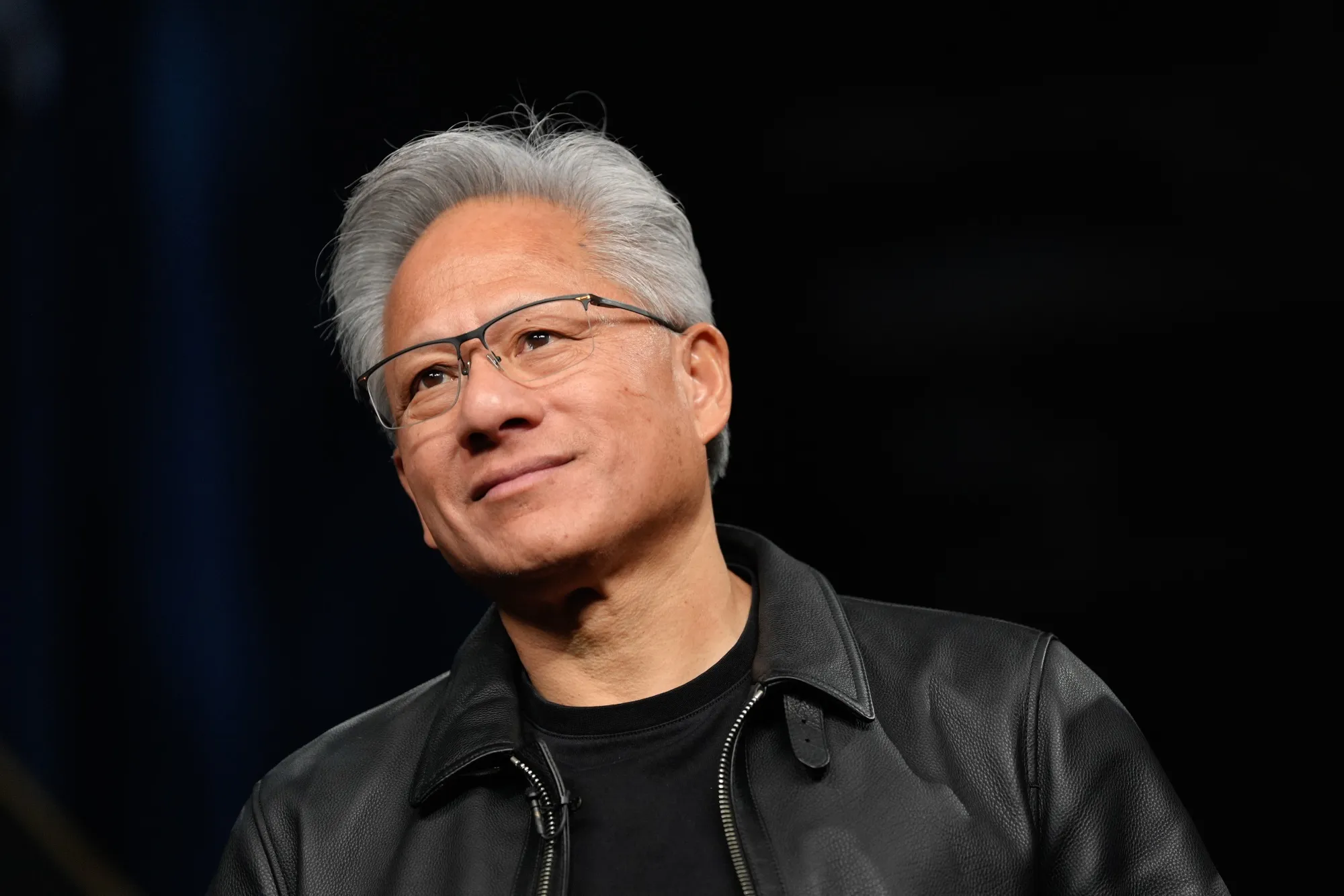
Jensen Huang age is currently 62 years old, born on February 17, 1963, in Tainan, Taiwan, making him one of the longest-serving CEOs in Silicon Valley history.
As the co-founder, president, and CEO of NVIDIA Corporation since 1993, Huang has transformed a struggling graphics chip startup into the world’s most valuable company by market capitalization.
With a staggering net worth of approximately $164 billion as of January 2026, he ranks as the eighth-wealthiest individual globally.
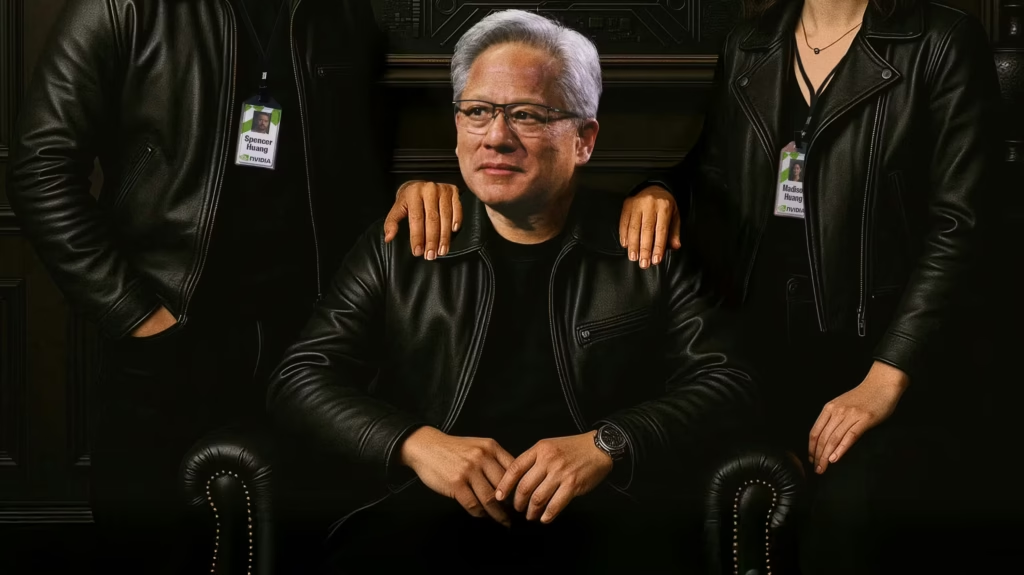
Married to Lori Mills Huang since 1985, whom he met at Oregon State University, Jensen is a devoted family man with two children—Madison and Spencer—both working at NVIDIA.
His remarkable journey from a nine-year-old immigrant who cleaned toilets at a Kentucky reform school to leading the AI revolution epitomizes the American dream and technological innovation.
Table of Contents
Quick Facts: Jensen Huang Profile 2026
| Category | Details |
|---|---|
| Full Name | Jen-Hsun “Jensen” Huang (黃仁勳) |
| Age | 62 years (as of 2026) |
| Date of Birth | February 17, 1963 |
| Birthplace | Tainan, Taiwan |
| Net Worth | $164.1 billion (January 2026) |
| Global Ranking | 8th richest person worldwide |
| Wife | Lori Mills Huang (married 1985) |
| Children | Madison Huang, Spencer Huang |
| Company | NVIDIA Corporation (Co-founded 1993) |
| Position | President, CEO, Co-Founder |
| Zodiac Sign | Aquarius |
| Height | 5 feet 7 inches (170 cm) |
Jensen Huang Age and Early Life in Taiwan
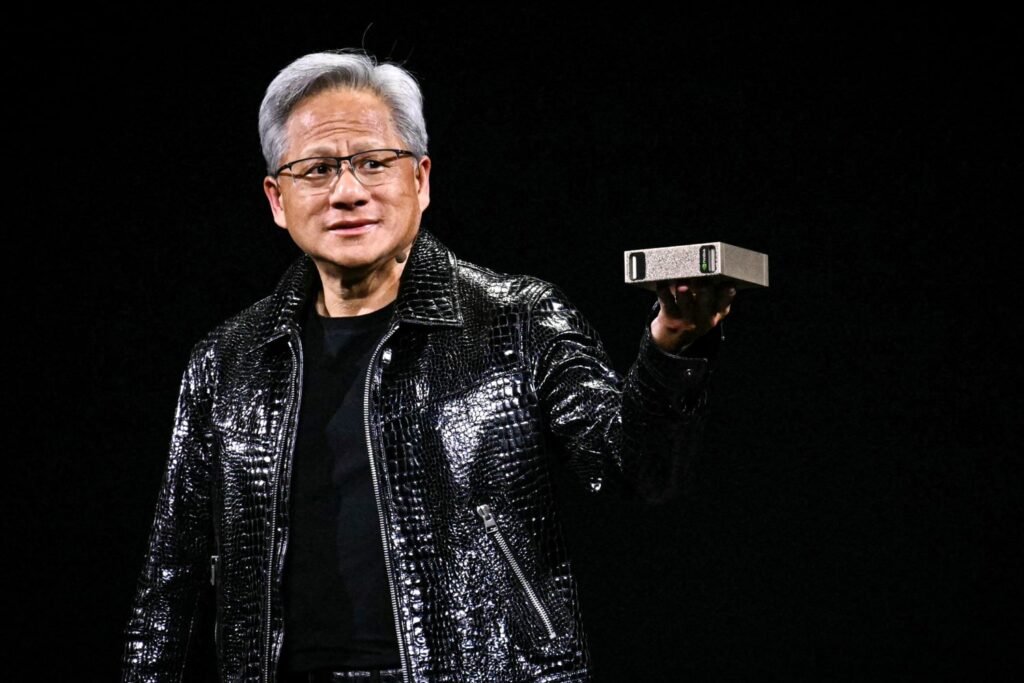
Jensen Huang was born on February 17, 1963, making him 62 years old in 2026. He entered the world in Tainan, a southern city in Taiwan.
His father, Huang Hsing-tai, worked as a chemical engineer at an oil refinery. His mother, Lo Tsai-hsiu, was a dedicated schoolteacher.
Jensen is the younger of two sons in a middle-class Taiwanese family. They were native speakers of Taiwanese Hokkien.
His mother innovatively taught her sons English by randomly selecting 10 dictionary words daily. This daily ritual prepared them for eventual life in America.
When Jensen was five years old, the family relocated to Thailand. His father’s refinery career necessitated this international move.
Childhood in Thailand and Early Education
The Huang family lived in Bangkok, Thailand, for approximately four years. Jensen attended Ruamrudee International School during this period.
His father worked for Carrier, the American air conditioning company. This exposure to American business culture shaped his father’s ambitions.
Thailand’s political instability during the Vietnam War era concerned his parents. They decided Thailand wouldn’t be their permanent home.
In the late 1960s, Hsing-tai traveled to New York for training. After returning, he resolved to send his sons to the United States.
At just nine years old, Jensen couldn’t speak fluent English. Despite this, his parents sent him and his brother to America alone.
The Kentucky Reform School Experience
Jensen and his brother were sent to live with their uncle in Tacoma, Washington. The uncle mistakenly enrolled them in Oneida Baptist Institute in Kentucky.
The institute was actually a religious reform academy for troubled youth. The family believed it was a prestigious boarding school.
Jensen’s parents sold nearly all their possessions to afford the tuition. This sacrifice demonstrated their commitment to their children’s education.
At age 10, Jensen lived in the Oneida boys’ dormitory with his older brother. Each student was required to work every day as part of the program.
His brother was assigned manual labor on a nearby tobacco farm. Jensen, too young for the reform academy classes, attended Oneida Elementary School separately.
Surviving Adversity in Rural Kentucky
Jensen arrived at school as an undersized Asian immigrant with long hair. His heavily accented English made him a target for bullying.
He was frequently beaten and subjected to ethnic slurs. Fellow students even threatened him with knives.
Jensen cleaned toilets every day as part of his work assignment. This humbling experience taught him resilience and humility.
He learned to play table tennis during this difficult period. The sport became his outlet and eventually a competitive passion.
Jensen also joined the swimming team and appeared in Sports Illustrated. These small victories helped him survive the challenging environment.
Reuniting with Family in Oregon
About two years later, Jensen’s parents arrived in the United States. They quickly discovered the true nature of the reform school.
They immediately pulled their sons out of Oneida Baptist Institute. The family reunited and settled in the suburbs of Portland, Oregon.
Jensen attended Aloha High School in Beaverton, Oregon. His life dramatically improved in this supportive environment.
He became a nationally ranked competitive table tennis player. According to Forbes, he placed third in junior doubles at the U.S. Table Tennis Open at age 15 in 1978.
Jensen graduated from high school at the remarkable age of 16. He was two years ahead of his peers academically.
Meeting Lori Mills at Oregon State University
In 1981, Jensen enrolled at Oregon State University (OSU). He pursued a Bachelor of Science in Electrical Engineering.
At OSU, Jensen met Lori Mills, a fellow engineering student. She was 19 years old, and he was just 17.
Lori was one of only three women in a class of 250 engineering students. She stood out in the male-dominated field.
Jensen approached her with a memorable pickup line: “Do you want to see my homework?” He promised her straight A’s if she studied with him every Sunday.
This quirky approach worked, leading to weekly study dates. Jensen boldly told her he would become a CEO by age 30.
Education and Early Career Path
After dating for five years, Jensen and Lori married in 1985. Their relationship had blossomed from study partners to life partners.
Jensen graduated from OSU in 1984 with his electrical engineering degree. He moved to Silicon Valley to launch his professional career.
His first job was at Advanced Micro Devices (AMD) as a product engineer. He worked on designing and testing microchips.
He spent about a year at AMD before moving to LSI Logic Corporation. At LSI, he rose through the ranks rapidly.
Jensen became director of a company division at LSI Logic. While working, he pursued graduate studies at Stanford University.
Stanford and the Path to Entrepreneurship
In 1992, Jensen earned his Master of Science in Electrical Engineering from Stanford. Stanford’s Silicon Valley location exposed him to entrepreneurial opportunities.
His experience at LSI Logic remained positive despite his departure. LSI’s CEO Wilfred Corrigan later became crucial to NVIDIA’s founding.
Jensen maintained good relationships with industry contacts. This professional network would prove invaluable for his startup.
At age 30, he decided it was time to fulfill his promise. He had told Lori he’d be a CEO by 30—and he meant it.
In April 1993, Jensen met with fellow engineers Chris Malachowsky and Curtis Priem. Their meeting location was a Denny’s restaurant in East San Jose.
Founding NVIDIA at Age 30
The three engineers sketched their vision on napkins at Denny’s. They aimed to revolutionize computer graphics for video games.
NVIDIA’s name comes from the Latin word “invidia,” meaning envy. The company was incorporated with grand ambitions but limited resources.
They started with just $40,000 in initial capital. Wilfred Corrigan introduced Jensen to venture capitalist Don Valentine.
Don Valentine led Sequoia Capital, which decided to invest in NVIDIA. Sutter Hill Ventures also joined as early investors.
The funding provided $20 million to begin chip development. By the first day of operation, Jensen was named president and CEO.
Why Jensen Became CEO Despite His Age
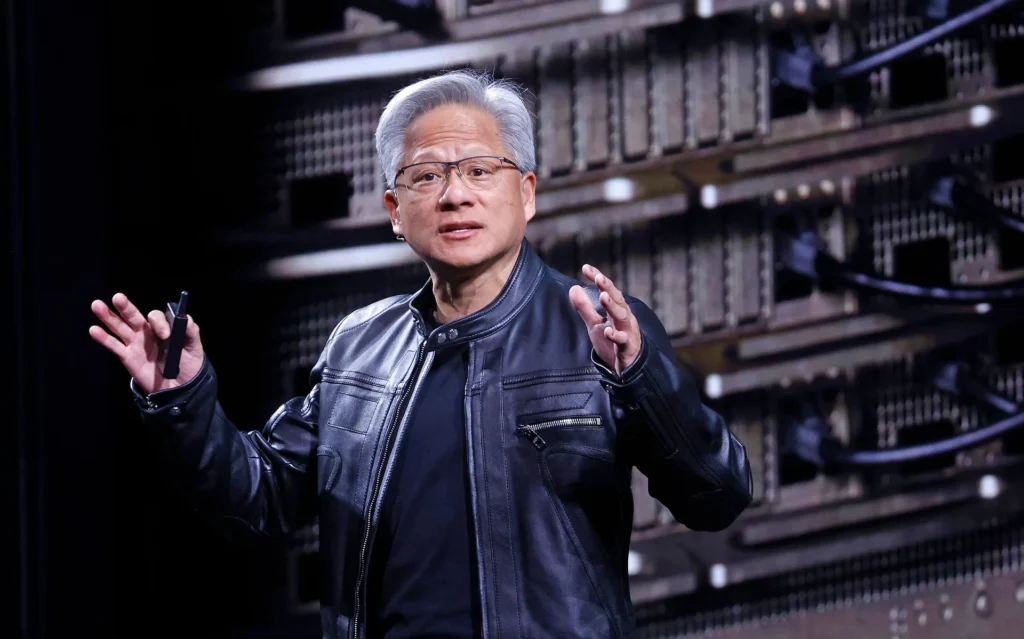
Jensen was actually younger than his co-founders Priem and Malachowsky. However, both believed he was best suited for the CEO role.
According to Priem, “we basically deferred to Jensen on day one.” They told him, “you’re in charge of running the company—all the stuff Chris and I don’t know how to do.”
Jensen’s leadership qualities and vision convinced his older partners. His communication skills and strategic thinking stood out.
At age 30, he took the helm of what would become a trillion-dollar company. As of 2024, he has been CEO for over 31 years.
The Wall Street Journal described his tenure as “almost unheard of in fast-moving Silicon Valley.” His longevity is extraordinary in the tech industry.
NVIDIA’s Near-Death Experience in the 1990s
NVIDIA’s early years were financially precarious. The company struggled to find its footing in the competitive semiconductor market.
Their first chip products failed to gain significant market traction. Cash reserves dwindled dangerously low.
In August 1997, the company launched the RIVA 128 (NV3). This real-time interactive video and animation accelerator saved the company.
Jensen often references this near-bankruptcy in his keynote presentations. The RIVA 128’s success was critical to NVIDIA’s survival.
The company’s finances were so dire that this launch was make-or-break. Success meant survival; failure meant closure.
The GPU Revolution
In 1999, NVIDIA introduced the world’s first Graphics Processing Unit (GPU). This invention revolutionized computer graphics and gaming.
The same year, NVIDIA went public on January 22, 1999. The IPO marked a major milestone in the company’s journey.
Jensen got a tattoo of the NVIDIA logo on his left shoulder. He made this commitment when the stock price hit $100 per share.
According to interviews, getting the tattoo made him “cry like a baby.” Despite stock prices now approaching $800, he won’t get another tattoo.
The GPU became fundamental to gaming, scientific research, and eventually AI. NVIDIA’s innovation created entirely new markets.
Expanding Beyond Gaming

NVIDIA grew beyond the gaming industry into diverse fields. The company entered artificial intelligence, mobile computing, and autonomous vehicles.
High-performance computing became a major business segment. Scientific research institutions relied on NVIDIA’s powerful GPUs.
Social networking companies adopted NVIDIA technology for their infrastructure. Data centers worldwide installed NVIDIA processors.
The powerful GPUs proved essential for machine learning applications. NVIDIA inadvertently positioned itself at the AI revolution’s center.
By 2023, generative AI exploded onto the global scene. NVIDIA’s chips became the most sought-after technology on the planet.
Jensen Huang’s Wife: Lori Mills Huang
Lori Mills Huang is now 61 years old, born around 1965. She has been Jensen’s partner for over 40 years.
Lori studied electrical engineering at Oregon State University. After graduation, she worked designing microchips at Hewlett-Packard in the early 1980s.
She transitioned from engineering to philanthropy after NVIDIA’s success. In 2007, she and Jensen co-founded the Jen-Hsun & Lori Huang Foundation.
Lori maintains a remarkably low public profile despite her husband’s fame. She rarely gives interviews or makes public appearances.
Jensen credits Lori as instrumental to his success. He acknowledges her bold decision to marry a college dropout with big dreams.
The Jen-Hsun & Lori Huang Foundation
The foundation was established in 2007 with an initial donation of NVIDIA stock. The initial value was approximately $300 million.
As of late 2025, the foundation’s assets exceed $12 billion. It ranks among the largest private foundations in the United States.
The foundation focuses on higher education, STEM initiatives, and public health. Community development in the San Francisco Bay Area is also prioritized.
Unlike many foundations, it operates without additional board members or staff. The Huangs maintain direct control over their philanthropy.
There is no official website or public grant application process. The foundation maintains a discreet, private operational approach.
Major Philanthropic Contributions
In 2019, the Huangs donated $2 million to Oneida Baptist Institute. This funded construction of a girls’ dormitory and classrooms—giving back to where Jensen suffered.
In 2022, they gave $50 million to Oregon State University. This established the Jen-Hsun and Lori Huang Collaborative Innovation Complex.
The OSU center focuses on AI, materials science, and robotics research. It represents one of the largest gifts in university history.
Stanford University received $30 million for the Jen-Hsun Huang School of Engineering Center. This supports cutting-edge engineering research and education.
In 2024, the foundation announced $100 million to UC San Francisco. This accelerates biomedical research through AI and advanced computing.
Jensen Huang’s Children
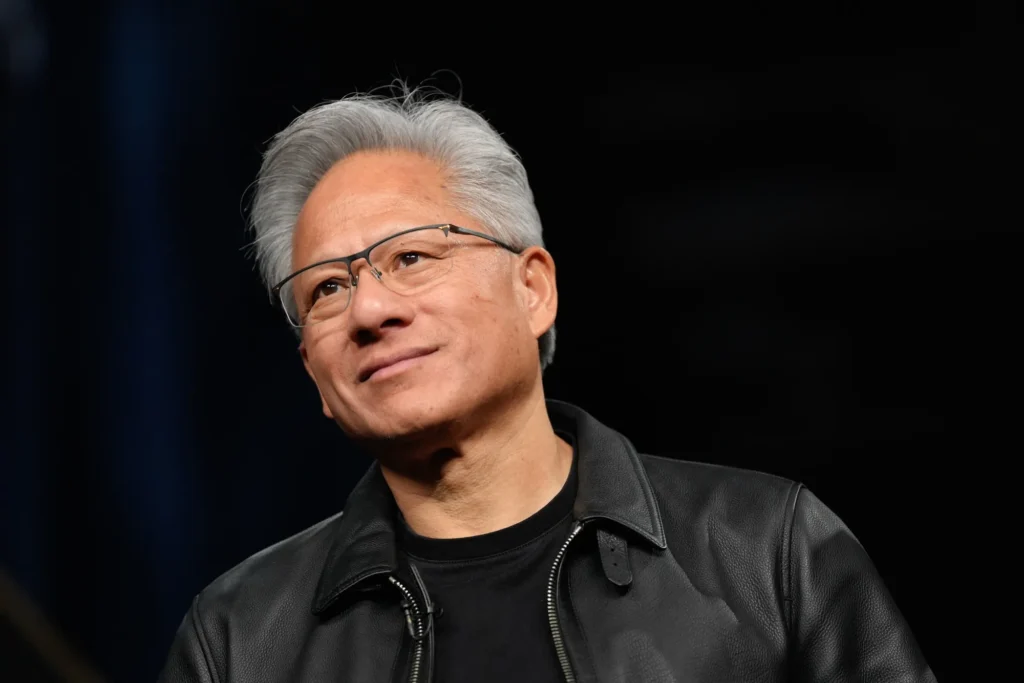
Jensen and Lori have two children: Madison and Spencer Huang. Both children work at NVIDIA in significant roles.
Their exact birth dates have never been publicly disclosed. The family maintains privacy regarding personal details.
Madison Huang serves as Director of Product Marketing at NVIDIA. She previously worked in the hotel industry before joining the family business.
Spencer Huang is a Senior Product Manager at NVIDIA. He focuses on robotics simulation, scaling, and the AI developer ecosystem.
Before joining NVIDIA, Spencer launched a bar in Taipei in 2015. Forbes honored it as one of the top 50 bars in Asia.
Madison Huang’s Career at NVIDIA
Madison contributes to NVIDIA’s global brand positioning. She works on marketing strategies for new markets and products.
In 2025, she reportedly earned approximately $1.1 million in compensation. This reflects her growing responsibilities within the organization.
Madison helps shape NVIDIA Omniverse’s product strategy. The Omniverse is NVIDIA’s platform for 3D design collaboration and simulation.
She represents the next generation of leadership at NVIDIA. Her marketing expertise is valuable in competitive tech markets.
Like her father, Madison maintains a relatively low public profile. She focuses on work rather than media attention.
Spencer Huang’s Role at NVIDIA
Spencer works as a Product Manager in NVIDIA’s AI division. His focus includes developer ecosystem and robotics applications.
In 2025, he reportedly earned approximately $530,000 in compensation. His earnings reflect his important but growing role.
Spencer’s bar in Taipei closed in May 2021. He then committed fully to his career at NVIDIA.
He brings creative thinking from his entrepreneurial experience. This perspective complements NVIDIA’s innovative culture.
Spencer’s involvement in AI positions him at technology’s cutting edge. The AI developer ecosystem is critical to NVIDIA’s future growth.
Family Involvement and Succession Questions
The presence of Jensen’s children in key NVIDIA roles has sparked discussion. Some question whether family involvement constitutes nepotism.
However, both Madison and Spencer have relevant qualifications and experience. Their contributions appear aligned with NVIDIA’s success.
Jensen announced no formal succession plan involving his children. The company’s future leadership structure remains uncertain.
At age 62, Jensen shows no signs of slowing down. He remains energetic, engaged, and central to NVIDIA’s strategy.
The board of directors will ultimately decide succession. Jensen’s eventual retirement will mark the end of an era.
Jensen Huang Net Worth Evolution
As of January 2026, Jensen’s net worth stands at $164.1 billion. This makes him the eighth-wealthiest person on Earth.
He ranks seventh among billionaires in the United States. Only a handful of Americans are wealthier than Huang.
In 2022, his net worth was estimated around $40-50 billion. The AI boom dramatically accelerated his wealth accumulation.
By mid-2024, he briefly became the world’s third-richest person. NVIDIA’s market capitalization exceeded $3 trillion.
His net worth fluctuates significantly with NVIDIA’s stock price. Daily changes can reach billions of dollars.
Sources of Jensen Huang’s Wealth
Huang owns approximately 3.3% of NVIDIA’s outstanding shares. This includes shares in his own name and family trusts.
At NVIDIA’s current market capitalization, this stake is worth over $100 billion. The vast majority of his wealth comes from this ownership.
Unvested restricted stock units aren’t included in public calculations. His actual potential wealth may be even higher.
Cash investments from insider transactions, dividends, and sales add additional billions. These provide liquidity separate from his equity holdings.
In 2007, his CEO compensation reached $24.6 million. Forbes ranked him 61st among highest-paid U.S. CEOs that year.
Jensen Huang’s Lifestyle and Personal Habits
Despite immense wealth, Jensen maintains a relatively modest lifestyle. He doesn’t flaunt his billionaire status ostentatiously.
The Huang family lived in middle-class homes in San Jose until 1999. After NVIDIA went public, they upgraded gradually.
In 2003, they moved to a larger house in Los Altos Hills, California. In 2004, they acquired a second home in Wailea, Hawaii.
In 2017, an LLC linked to the Huangs bought a San Francisco mansion. The purchase price was $38 million.
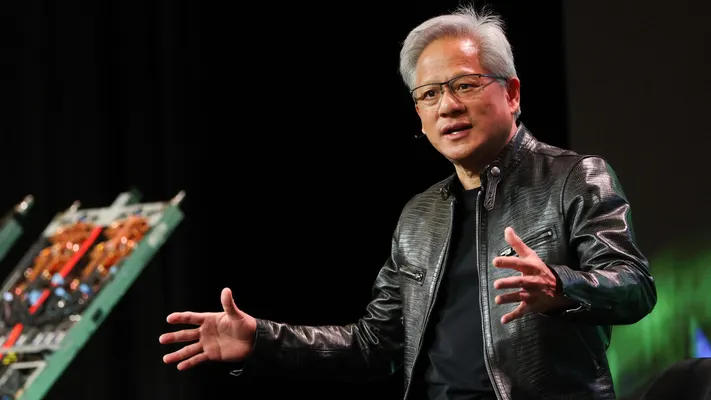
Jensen is famous for his signature black leather jacket. He wears it constantly, making it his personal brand.
The Iconic Black Leather Jacket
Jensen credits his wife and children for the leather jacket look. They encouraged him to develop a distinctive personal style.
The black leather jacket has become synonymous with Jensen Huang. Media outlets frequently reference this fashion choice.
Meta CEO Mark Zuckerberg once posed in Huang’s jacket. Zuckerberg posted the photo on Instagram, showing their friendship.
Zuckerberg called Jensen the “Taylor Swift of the technology industry.” This reference acknowledged Jensen’s rock-star status in tech.
The leather jacket fits Jensen’s approachable, authentic leadership style. It contradicts stuffy CEO stereotypes.
Unique Leadership Style at NVIDIA
Jensen doesn’t maintain a private office or corner suite. He roams the building, working in whatever conference room he passes.
He doesn’t even keep a personal desk at NVIDIA headquarters. This approach keeps him accessible to employees.
Jensen has approximately 60 direct reports in a flat management structure. This is highly unusual for a company of NVIDIA’s size.
He believes this structure empowers people and improves problem-solving. Direct communication with employees is highly valued.
According to Jensen, good leaders don’t “dress like a CEO” or “talk like a CEO.” They simply are who they are authentically.
Work Culture and Employee Relations
NVIDIA is consistently recognized as one of the “Best Places to Work” by Glassdoor. Fortune magazine includes it in “100 Best Companies to Work For.”
Staff tenure at NVIDIA is unusually long for Silicon Valley. Employees form tight-knit bonds with colleagues.
Tattoos and leather jackets are welcome in NVIDIA’s offices. The culture embraces individual expression.
Jensen’s approachability and decency contribute to employee loyalty. He maintains authenticity rather than corporate formality.
The company has over 32,000 employees as of 2026. It continues aggressive hiring across all departments.
Huang’s Law and Technological Vision
Jensen articulated “Huang’s Law” as an alternative to Moore’s Law. He claimed GPUs advance more rapidly than Moore’s Law suggests.
At the 2018 GPU Technology Conference, he made this bold claim. The industry has largely validated his prediction.
NVIDIA’s GPUs have indeed improved exponentially in performance. AI applications have driven unprecedented advancement.
Jensen has been “talking about the same story for 15 years.” His consistent vision has proven remarkably prescient.
His 2017 comment to reporter Andrew Nusca was revealing: “I’ve barely had to change my slides.” His core message remained constant.
Awards and Recognition
In 1999, Ernst & Young named Jensen Entrepreneur of the Year in High Technology. This recognized NVIDIA’s early success.
In 2002, he received the Daniel J. Epstein Engineering Management Award. The University of Southern California presented this honor.
The Fabless Semiconductor Association gave him the Dr. Morris Chang Exemplary Leadership Award in 2003. This acknowledged his industry influence.
Oregon State University named him an Alumni Fellow in 2005. His alma mater celebrated his achievements.
In 2007, he received the Silicon Valley Education Foundation’s Pioneer Business Leader Award. His contributions to education were recognized.
Recent Accolades and Honors
Fortune magazine named Jensen Businessperson of the Year. This acknowledged NVIDIA’s AI revolution leadership.
Harvard Business Review ranked him Number 1 on their list of the world’s 100 best-performing CEOs. This prestigious recognition highlighted sustained excellence.
Time magazine twice named him one of the 100 most influential people. His impact extends beyond business into culture.
In 2024, Fast Company named NVIDIA the “Most Innovative Company of 2024.” This reflected the company’s continued innovation.
Carnegie Corporation of New York honored Jensen with their Great Immigrants award. This celebrated his immigrant success story.
The AI Boom and NVIDIA’s Dominance
In 2023, ChatGPT and generative AI captured global attention. NVIDIA’s GPUs became essential infrastructure for AI companies.
Goldman Sachs called NVIDIA “the most important stock on planet earth.” The company’s chips power the AI revolution.
NVIDIA’s stock price soared 409% in a single year during the AI boom. The company’s value increased hundreds of billions.
After year-end earnings in early 2024, NVIDIA’s value rose $250 billion in one day. This set records for single-day market cap increases.
NVIDIA surpassed Google, Microsoft, and briefly Apple in market capitalization. It became the world’s most valuable company.
Revenue and Financial Performance
For the year ending January 26, 2025, NVIDIA reported $130.5 billion in revenue. This represented extraordinary growth from previous years.
Fourth quarter 2024 earnings crushed analyst expectations. The company reported $22.1 billion, exceeding predictions by $1.7 billion.
Wall Street investors and Silicon Valley analysts reacted with enthusiasm. NVIDIA’s financial performance exceeded even optimistic projections.
The company’s profit margins are extraordinarily high for hardware. GPUs for AI applications command premium pricing.
NVIDIA’s data center segment became its largest revenue source. Gaming, while still important, was eclipsed by enterprise demand.
Relationship with Lisa Su
Jensen Huang is related to AMD CEO Lisa Su. Their mothers are relatives, making them distant cousins.
This family connection is notable given AMD competes with NVIDIA. Both companies operate in the semiconductor industry.
Lisa Su has led AMD’s remarkable turnaround and growth. She and Jensen are both Taiwanese-American semiconductor leaders.
The two maintain professional respect despite competitive business positions. Industry events sometimes feature both leaders.
Their simultaneous success represents Taiwanese-American achievement in tech. Both exemplify immigrant contributions to American innovation.
Immigration Story and American Dream
Jensen’s journey from Taiwan to billionaire CEO epitomizes the American Dream. His story resonates with immigrants and entrepreneurs globally.
He arrived in America at age nine speaking no English. He survived bullying, poverty, and cultural dislocation.
His parents sacrificed everything to give their sons opportunities. They sold possessions to afford what they thought was prestigious education.
The reform school experience, though traumatic, built resilience. Jensen learned humility and hard work through toilet cleaning.
His success validates his parents’ faith and sacrifices. He has given back to the very institution where he suffered.
Personal Philosophy and Values
Jensen emphasizes authenticity in leadership and life. He doesn’t pretend to be someone he’s not.
He values courage and conviction over consensus. “It didn’t matter to us whether people believed in us,” he said about NVIDIA’s founding.
Jensen believes in following your own path despite skepticism. “We believed in ourselves. We had the courage to follow our own path.”
He maintains humility despite extraordinary wealth and success. The toilet-cleaning teenager remains part of his identity.
Family remains central to his life and decisions. Lori and his children ground him amid tech world chaos.
The Phenomenon of “Jensanity”
In 2024, Jensen became a cultural phenomenon in Taiwan. Media coined the term “Jensanity” to describe his celebrity status.
At Computex 2024 in Taipei, he received rock-star treatment. Crowds mobbed him for photos and autographs.
Taiwan celebrates Jensen as one of their most successful exports. His Taiwanese heritage is a source of national pride.
He has become the face of AI technology globally. His leather jacket and enthusiasm make him recognizable worldwide.
Mark Zuckerberg’s comparison to Taylor Swift was accurate. Jensen commands similar cultural influence in tech circles.
Relationship with Other Tech Leaders
Jensen maintains close relationships with other Silicon Valley leaders. Mark Zuckerberg is a particularly visible friend.
Elon Musk has publicly praised NVIDIA’s technology. Tesla relies on NVIDIA chips for autonomous driving research.
OpenAI’s Sam Altman depends on NVIDIA’s GPUs for ChatGPT. The AI startup requires massive computing infrastructure.
Jensen has become a power broker in AI development. Access to NVIDIA chips means access to AI capabilities.
His position gives him enormous influence over AI’s future. He shapes not just technology but entire industries.
NVIDIA’s Market Position in 2026
NVIDIA controls an estimated 80-90% of the AI chip market. This near-monopoly position is historically rare.
Competitors like AMD and Intel struggle to match NVIDIA’s performance. The company’s technological lead appears significant.
Supply of NVIDIA’s latest chips cannot meet global demand. Waiting lists extend months for enterprise customers.
The company’s market capitalization fluctuates between $2-3 trillion. It ranks among the world’s most valuable corporations.
NVIDIA’s success has made Jensen one of tech’s most powerful figures. His decisions impact global technology development.
Height, Physical Appearance, and Health
Jensen Huang stands approximately 5 feet 7 inches (170 cm) tall. He maintains an average build for his height.
At age 62, he remains energetic and active. His health appears excellent based on public appearances.
He has black hair that has grayed naturally with age. He maintains a professional, polished appearance.
Jensen’s physical presence is described as approachable rather than imposing. His stature hasn’t prevented commanding respect.
He maintains fitness through undisclosed exercise routines. At his age, health becomes increasingly important for continued leadership.
Family Residences and Real Estate
The Huangs own multiple high-value properties across the United States. Their primary residence is in Los Altos Hills, California.
Los Altos Hills is one of Silicon Valley’s wealthiest communities. Homes there typically cost tens of millions.
Their Hawaii home in Wailea offers tropical vacation refuge. Maui’s luxury resort areas provide privacy and relaxation.
The San Francisco mansion purchased in 2017 serves unclear purposes. It may be investment property or occasional residence.
Despite wealth, the Huangs don’t collect properties ostentatiously. Their real estate holdings seem practical rather than extravagant.
Looking Toward the Future
At 62, Jensen shows no signs of retirement. His energy and engagement remain high.
NVIDIA’s position in AI means his leadership remains crucial. The company navigates rapidly evolving technology landscapes.
Future challenges include competition, regulation, and technological disruption. Maintaining dominance won’t be automatic.
Jensen’s vision continues guiding NVIDIA’s strategic direction. His long-term perspective shapes company decisions.
The next industrial revolution, powered by AI, is beginning. Jensen Huang stands at its epicenter.
Also Read:
Lois Denhard Life, Legacy & Viral Fame Story 2025
Auggie Savage Complete Bio, Age, Career & Net Worth 2025
Jellybeanbrains Real Name, Age, Career, Husband & Net Worth 2025
Taylor Riggs Age, Career, Husband & Net Worth 2025
Natali Soto Nicoles Family Role & Hidden Story 2025
Lori Pinson Age & Background Info 2025
Frequently Asked Questions (FAQs)
What is Jensen Huang’s current age in 2026?
Jensen Huang is 62 years old as of 2026, having been born on February 17, 1963, in Tainan, Taiwan. He belongs to the Aquarius zodiac sign and represents the Baby Boomer generation.
How much is Jensen Huang’s net worth in 2026?
Jensen Huang’s net worth is approximately $164.1 billion as of January 2026, making him the eighth-wealthiest person globally. His wealth primarily comes from his 3.3% ownership stake in NVIDIA, which has skyrocketed due to the AI boom.
Who is Jensen Huang’s wife and when did they marry?
Jensen Huang is married to Lori Mills Huang, whom he met at Oregon State University when he was 17 and she was 19. They married in 1985 after dating for five years, and Lori now co-manages their $12+ billion philanthropic foundation.
How many children does Jensen Huang have?
Jensen Huang has two children with Lori: Madison Huang, who serves as Director of Product Marketing at NVIDIA, and Spencer Huang, a Senior Product Manager at NVIDIA focusing on AI developer ecosystem and robotics simulation.
What was Jensen Huang’s childhood like in America?
At age 9, Jensen was mistakenly sent to Oneida Baptist Institute in Kentucky, a reform school his uncle thought was a boarding school. He endured bullying, cleaned toilets daily, and faced harsh conditions before his parents rescued him two years later.
When was NVIDIA founded and how did it start?
NVIDIA was founded in April 1993 when Jensen Huang, at age 30, met with Chris Malachowsky and Curtis Priem at a Denny’s restaurant in East San Jose. They started with $40,000 and quickly secured $20 million from venture capitalists like Sequoia Capital.
How long has Jensen Huang been CEO of NVIDIA?
Jensen Huang has been NVIDIA’s CEO for over 31 years since the company’s founding in 1993. This makes him the longest-serving CEO in the technology industry, described as “almost unheard of in fast-moving Silicon Valley.”
What is Jensen Huang’s connection to AMD CEO Lisa Su?
Jensen Huang and AMD CEO Lisa Su are distant cousins related through their mothers. Both are Taiwanese-American semiconductor industry leaders who have led their respective companies to remarkable success despite being competitors.
Why does Jensen Huang always wear a leather jacket?
Jensen Huang’s iconic black leather jacket became his signature look with encouragement from his wife and children. It represents his authentic, approachable leadership style and has become so recognizable that Mark Zuckerberg called him “the Taylor Swift of technology.”
What philanthropic work has Jensen Huang done?
Jensen and Lori Huang’s foundation, established in 2007, now holds over $12 billion in assets. Major donations include $50 million to Oregon State University, $30 million to Stanford, $100 million to UC San Francisco, and $2 million to the Kentucky reform school he once attended.
Conclusion
Jensen Huang age of 62 represents an extraordinary life journey from Taiwanese immigrant child to tech industry titan. Born on February 17, 1963, he overcame childhood hardships—including two years at a Kentucky reform school cleaning toilets—to co-found NVIDIA at age 30 in 1993.
His marriage to Lori Mills Huang since 1985 has been a cornerstone of his success, with their two children, Madison and Spencer, now contributing to NVIDIA’s continued innovation.
With a net worth of $164.1 billion, Jensen ranks as the eighth-richest person globally, though his wealth represents just one measure of his impact.
His 31-year tenure as CEO has guided NVIDIA from near-bankruptcy in the 1990s to becoming the world’s most valuable company, powering the AI revolution that’s reshaping civilization.
His authentic leadership style, signature leather jacket, and immigrant success story inspire millions worldwide.
As he navigates his seventh decade, Jensen Huang continues defining the future of computing, artificial intelligence, and human technological capability.
His legacy extends beyond wealth to fundamental contributions shaping how humanity interacts with technology, making him one of the most consequential business leaders of the 21st century.