

Arthur Levinson age is currently 75 years old, and this distinguished scientist-turned-business leader has become one of the most influential figures in both biotechnology and technology sectors, serving as Apple’s Chairman and Calico’s CEO while revolutionizing cancer treatment and corporate leadership.
Table of Contents
Quick Facts About Arthur Levinson
| Category | Details |
|---|---|
| Full Name | Arthur David Levinson |
| Date of Birth | March 31, 1950 |
| Age | 75 years old (as of 2026) |
| Birthplace | Seattle, Washington, USA |
| Net Worth | $1.2 billion (as of 2025) |
| Current Positions | Chairman of Apple Inc., CEO of Calico |
| Wife | Rita May Liff (married December 17, 1978) |
| Children | Two (son Jesse, daughter Anya) |
| Education | BS Molecular Biology (University of Washington), PhD Biochemistry (Princeton University) |
| Apple Shares | 4.1 million shares worth approximately $1.1 billion |
| Notable Achievement | Former CEO & Chairman of Genentech, developed breakthrough cancer drugs |
Arthur Levinson Age, Early Life and Family Background

Arthur David Levinson was born on March 31, 1950, in Seattle, Washington, into a Jewish family.
His parents, Sol Levinson and Malvina Levinson, raised him in a nurturing environment that strongly emphasized academic achievement and intellectual curiosity.
Growing up in Seattle during the 1950s and 1960s, Levinson developed an early fascination with science that would shape his entire professional trajectory.
From childhood, Levinson exhibited an insatiable curiosity about how things work at a fundamental level.
His intellectual awakening came through reading Carl Sagan’s groundbreaking book “Intelligent Life in the Universe,” particularly the sections covering the molecular requirements for life. This early exposure to scientific thinking ignited a passion that would drive him throughout his distinguished career.
Despite coming from modest roots, Levinson’s family provided unwavering support for his educational pursuits. His parents instilled values of hard work, dedication, and intellectual rigor that became the cornerstone of his success.
The Jewish cultural emphasis on education and scholarly achievement played a significant role in shaping his worldview and ambitions.
Educational Journey
Levinson’s academic path reflects his exceptional intellect and dedication to scientific excellence. He attended the University of Washington in his hometown of Seattle, where he initially considered careers in astronomy or medicine. However, during his junior year, a pivotal moment changed everything.
Taking a genetics course taught by prominent scientist Lee Hartwell—who later won the Nobel Prize for his groundbreaking work on cell cycle regulation—Levinson became completely captivated by molecular biology.
The course explored the cellular origins of cancer, and Levinson found himself fascinated by the complex interactions between DNA, RNA, and protein production within cells. This revelation led him to immediately switch his major to molecular biology.
In 1972, Levinson graduated from the University of Washington with a Bachelor of Science degree in Molecular Biology, having already begun conducting undergraduate research on the differences between cancerous and normal cells. This early research experience proved invaluable in shaping his future career focus.
Continuing his academic pursuit of excellence, Levinson enrolled at Princeton University for his doctoral studies. In 1977, he earned his PhD in Biochemical Sciences from Princeton, establishing himself as a rising star in the field of cancer research. His doctoral work laid the foundation for his later contributions to therapeutic development.
Post-Doctoral Work and Entry into Biotechnology
After completing his PhD, Levinson secured a prestigious postdoctoral position at the University of California, San Francisco (UCSF) in the Department of Microbiology.
This opportunity proved transformative, as he worked directly with J. Michael Bishop and Harold Varmus, two brilliant scientists who would later receive the Nobel Prize for their pioneering oncology research.
During his time at UCSF, Levinson published a highly influential scientific paper on the biochemistry of cancer that garnered significant attention within the scientific community.
He also developed a reputation as something of a maverick researcher, known for occasionally wearing a pith helmet and carrying a toy rifle during presentations to emphasize his belief that scientists needed sharp “hunting instincts” to make breakthrough discoveries.
Levinson’s original plan was to pursue a traditional academic career, but fate had different plans. In 1980, when Herb Boyer—co-founder of Genentech, the world’s first biotechnology company—recruited him as a research scientist, Levinson thought he would spend just a year or two learning about recombinant DNA technology before returning to academia. However, the unprecedented freedom and innovative culture at Genentech captivated him, and he never looked back.
Career at Genentech: Building a Biotech Empire

Levinson’s career at Genentech represents one of the most successful trajectories in biotechnology history, spanning nearly three decades and transforming both the company and the entire industry.
Early Research Breakthroughs (1980-1989)
Upon joining Genentech in 1980, Levinson immediately made his mark by pioneering revolutionary manufacturing techniques.
The standard practice at the time involved growing biotech proteins in bacterial cells, but Levinson demonstrated both the scientific advantages and economic feasibility of producing them in mammalian cells, specifically Chinese hamster ovarian cells.
This breakthrough became the industry standard and enabled the production of more complex therapeutic proteins.
In 1987, Levinson became Director of Cell Genetics at Genentech, where he led the team that successfully cloned the HER2 gene, which is linked to an aggressive form of breast cancer. This discovery would later lead to one of the most important cancer drugs ever developed.
Leadership Ascension (1989-1995)
Levinson’s exceptional scientific abilities were matched by his natural leadership qualities. In 1989, he was promoted to Vice President of Research Technology, followed by Vice President of Research in 1990.
By 1992, he had become Senior Vice President of Research, and in 1993, he was named Senior Vice President of Research and Development.
This rapid progression reflected both his scientific contributions and his ability to foster a culture of innovation. Colleagues consistently praised his collaborative approach and his willingness to listen to diverse perspectives—traits that would define his leadership style.
CEO Tenure (1995-2009)
In 1995, when Genentech’s board removed the previous CEO amid legal troubles, they turned to Levinson despite his lack of traditional business training.
At just 45 years old, he became CEO of one of the world’s leading biotechnology companies. Many questioned whether a scientist could successfully lead a major corporation, but Levinson proved the skeptics wrong spectacularly.
His first act as CEO demonstrated his wisdom and emotional intelligence.
He convened a mass meeting of all 3,000+ employees, acknowledging the turbulent period and urging everyone to move forward responsibly. This transparency and inclusive approach set the tone for his entire tenure.
Under Levinson’s leadership, Genentech developed and launched multiple blockbuster drugs that revolutionized cancer treatment:
- Herceptin (1998): The groundbreaking breast cancer treatment that targeted the HER2 gene, representing the first genetically-targeted cancer drug. This breakthrough transformed treatment outcomes for HER2-positive breast cancer patients.
- Avastin (2004): Initially tested for breast cancer without success, Levinson’s scientific training led him to reexamine the data. He noticed the drug showed promise for colon cancer and made the controversial decision to invest additional research funds. The gamble paid off spectacularly—Avastin became one of the world’s best-selling cancer drugs, later approved for treating lung, kidney, and brain cancers as well.
- Xolair (2003): An innovative asthma treatment that provided relief for patients with severe allergic asthma.
- Raptiva (2003): A psoriasis treatment that addressed a significant unmet medical need.
- Lucentis (Ranibizumab): A treatment for age-related macular degeneration that helped prevent blindness in countless patients.
Levinson’s leadership philosophy emphasized fostering a culture of innovation while maintaining scientific rigor. He was known for his casual management style—keeping a small 9-by-12-foot office, wearing jeans instead of suits, and encouraging employees to challenge his ideas. He famously said, “If I go more than two weeks without someone telling me that I’m full of it, I start to worry.”
Under his guidance, Genentech became renowned for its unique corporate culture, including Friday afternoon parties and elaborate office pranks.
When presented with a joke cover featuring images from Genentech costume parties for the 2005 annual report, Levinson loved it so much he made it the actual back cover for shareholders.
Chairman and Transition (1999-2014)

Levinson became Chairman of Genentech in 1999, holding both CEO and Chairman roles simultaneously until stepping down as CEO in 2009.
He remained Chairman until 2014, ensuring smooth leadership transitions and maintaining the innovative culture he had built.
His tenure achieved remarkable financial success. By 2003, Genentech’s revenues had climbed by almost 30 percent to $2.4 billion.
The company successfully competed with international pharmaceutical giants in specialized markets, proving that rigorous science combined with smart business strategy could generate tremendous value.
Recognition and Awards
Levinson’s achievements at Genentech earned him numerous accolades:
- Inducted into the Biotech Hall of Fame (2003)
- Named “America’s Best CEO” in biotech by Institutional Investor four consecutive years (2004-2007)
- Listed as “Best Manager of the Year” by BusinessWeek (2004 and 2005)
- Recognized as one of “The World’s Most Respected CEOs” by Barron’s (2006)
- Rated the “nicest CEO” by Glassdoor with a 93% approval rating (2008)
- Elected Fellow of the American Academy of Arts and Sciences (2008)
Journey to Apple: Following Steve Jobs’ Legacy
Levinson’s relationship with Apple began in 2000 when his close friend Steve Jobs invited him to join Apple’s board of directors.
Despite coming from the biotechnology world, Levinson’s scientific rigor, leadership abilities, and innovative thinking made him an ideal board member for the technology giant.
From 2005 until Jobs’ death in October 2011, Levinson served as co-lead director alongside Jobs, providing strategic guidance during some of Apple’s most transformative years—including the launches of the iPhone, iPad, and the expansion of the iPod ecosystem.
On November 15, 2011, just weeks after Jobs passed away from pancreatic cancer, Apple’s board unanimously selected Levinson to become Chairman of the Board, succeeding his late friend.
This appointment during such a critical transition period demonstrated the board’s immense confidence in Levinson’s leadership abilities.
As Chairman, Levinson has guided Apple through more than 14 years of continued innovation and unprecedented growth.
While maintaining a relatively low public profile compared to CEO Tim Cook, Levinson’s influence on corporate governance and strategic direction has been significant.
He has helped Apple navigate challenges including regulatory scrutiny, privacy debates, supply chain complexities, and competitive pressures.
Levinson’s scientific background brings a unique perspective to Apple’s board discussions, particularly regarding health-related technologies like the Apple Watch’s medical features and research initiatives. His emphasis on data-driven decision-making and rigorous testing aligns perfectly with Apple’s engineering culture.
As of 2025, Levinson owns approximately 4.1 million Apple shares worth over $1.1 billion, making him one of the company’s largest individual shareholders.
In August 2025, he sold 90,000 shares for approximately $21 million as part of routine financial management, but remains deeply committed to Apple’s long-term success.
Despite being 75 years old, Levinson continues serving as Apple’s Chairman, providing continuity and wisdom during the Tim Cook era.
His friendship with Jobs and deep understanding of Apple’s culture make him an invaluable guardian of the company’s values and vision.
Calico: Tackling Aging and Longevity

In September 2013, at age 63, when many executives would be considering retirement, Levinson embarked on perhaps his most ambitious venture yet.
Google (now Alphabet Inc.) announced the creation of Calico—short for California Life Company—a new company focused on health, well-being, and particularly the challenge of aging. Levinson was named CEO and co-founder.
While media outlets sensationalized Calico’s mission as “solving death” or “defeating aging,” Levinson’s actual goals are more scientifically grounded and pragmatic.
He seeks to better understand the biological mechanisms of aging and develop therapeutic interventions to extend not just lifespan, but “healthspan”—the number of years people live in good health.
Calico represents a “moonshot” approach to one of humanity’s greatest challenges. With substantial backing from Alphabet and partnerships with pharmaceutical companies like AbbVie, the company conducts fundamental research into the biology of aging, age-related diseases, and potential therapeutic interventions.
True to his management philosophy, Levinson has built Calico with a culture emphasizing rigorous science, long-term thinking, and intellectual freedom.
The company operates with unusual secrecy for a biotech firm, focusing on fundamental discoveries rather than rushing products to market—an approach only possible with Alphabet’s patient capital.
Levinson often invokes his favorite motto in Calico’s work: “In God we trust; everyone else please bring data.” This reflects his unwavering commitment to scientific rigor and evidence-based decision-making, regardless of the audacity of the goals.
Arthur Levinson’s Net Worth and Financial Profile
As of October 2025, Arthur Levinson’s net worth is estimated at approximately $1.2 billion, making him one of the wealthiest scientists-turned-executives in the world. This substantial wealth comes primarily from three sources:
- Apple Stock Holdings: Levinson owns approximately 4.1 million shares of Apple Inc., worth approximately $1.1 billion based on Apple’s stock price. He has been a board member since 2000 and Chairman since 2011, accumulating these shares through director compensation and stock awards over more than two decades.
- Historical Stock Sales: Since 2021, Levinson has sold 468,502 Apple shares for an estimated $99.5 million in proceeds. His most active trading years were 2024 and 2025, when he sold shares totaling over $50 million as part of portfolio diversification and estate planning.
- Genentech Compensation: During his 14-year tenure as CEO of Genentech (1995-2009), Levinson earned substantial compensation including salary, bonuses, and stock options. While specific totals aren’t publicly disclosed, CEO compensation at major biotechnology companies during this period was significant.
- Alphabet/Google Holdings: Levinson also owns approximately 260,000 shares of Alphabet Inc. (Google’s parent company) worth over $85 million, accumulated through his role as Calico’s CEO.
- Other Investments: Though details remain private, Levinson likely has diverse investment portfolios including real estate, bonds, and other equities.
It’s worth noting that net worth estimates vary among sources. Celebrity Net Worth estimates his wealth at $600 million, while more recent SEC filings and stock tracking services like GuruFocus and QuiverQuant estimate between $1.2 billion and $1.54 billion based on his reported holdings.
Despite his billionaire status, Levinson is known for living relatively modestly. He resides in the Seattle area with his wife, maintaining a low-key lifestyle that reflects his scientific roots rather than Silicon Valley extravagance.
He favors casual clothing like jeans over business suits, drives modest vehicles, and focuses his energy on scientific pursuits rather than conspicuous consumption.
In 2012, as Apple’s Chairman, Levinson received compensation of $457,222—a relatively modest sum considering Apple’s trillion-dollar valuation.
His current annual salary as Calico’s CEO is reported at approximately $557,000, again reflecting his priority on meaningful work over maximum compensation.
Personal Life: Marriage, Family, and Values
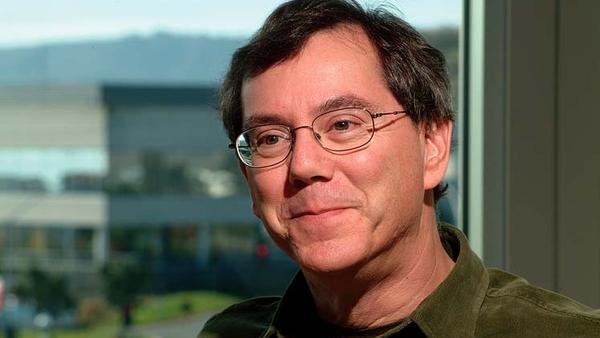
Arthur Levinson has successfully maintained remarkable privacy regarding his personal life despite his prominent roles in two of the world’s most valuable companies. What is publicly known paints a picture of a devoted family man who values stability, loyalty, and work-life balance.
Marriage to Rita May Liff
On December 17, 1978, at age 28, Levinson married Rita May Liff in what has become one of the most enduring marriages in the business world. As of 2026, the couple has been married for 48 years—a testament to their strong partnership and shared values.
Rita May Liff was Levinson’s childhood playmate, and their relationship represents a true partnership that has withstood the pressures of his demanding career.
While Rita maintains an extremely private profile, she is often seen accompanying Arthur to significant events, including board meetings, award ceremonies, and industry functions. Their relationship demonstrates the power of long-term commitment and mutual support.
The couple resides in the Seattle area, where Levinson was born and raised. Despite his deep connections to the San Francisco Bay Area through Genentech and Apple, Levinson has chosen to make his home in the Pacific Northwest, staying connected to his roots.
Children: Jesse and Anya Levinson
Arthur and Rita have two children: a son named Jesse Levinson and a daughter named Anya Levinson. Following in his father’s footsteps of innovation, Jesse Levinson has achieved notable success in the technology sector, currently serving as Chief Technology Officer (CTO) of Zoox, a pioneering self-driving car company that was acquired by Amazon for $1.2 billion in 2020.
Jesse’s role at Zoox represents the next generation of technological innovation, applying cutting-edge artificial intelligence and robotics to revolutionize transportation.
The father-son dynamic of Arthur’s work on extending human healthspan and Jesse’s work on autonomous vehicles reflects a family committed to using technology to improve human life.
Information about daughter Anya Levinson is more limited, as she apparently prefers to maintain privacy. The Levinson family’s ability to largely shield themselves from public scrutiny despite Arthur’s high-profile positions reflects deliberate choices to protect their personal lives.
Family Values and Lifestyle
Despite his billionaire status, Levinson is known for his down-to-earth values and modest lifestyle. He has instilled similar values in his children, emphasizing education, hard work, and contribution to society over material wealth.
Colleagues and friends describe Levinson as having an excellent sense of humor, enjoying jokes and funny anecdotes.
He’s an avid hiker who loves spending time outdoors exploring nature, particularly in the Pacific Northwest’s beautiful landscapes. He’s also a passionate photographer, capturing stunning images during his outdoor adventures.
Levinson is a strong advocate for environmental conservation and animal welfare, actively supporting related organizations.
These commitments reflect values that extend beyond his professional achievements to encompass broader concerns about the planet and its inhabitants.
Leadership Philosophy and Management Style

What makes Arthur Levinson unique among business leaders is his successful bridging of science and business—a combination that remains rare at the highest levels of corporate leadership. His management philosophy offers valuable lessons:
- Scientists Can Lead: Levinson has consistently demonstrated that scientific training provides excellent preparation for business leadership. He believes it’s easier for scientists to learn business concepts than for business people to understand complex scientific concepts.
- Culture Matters: Throughout his career, Levinson has prioritized building cultures of innovation where employees feel empowered to take risks, challenge assumptions, and pursue independent research.
- Listen More Than You Speak: Geneticist David Botstein, who has known Levinson for over 30 years, identified his greatest strength: “Art is an extremely strong scientist, but he doesn’t feel the need to announce it. He really listens, and that is what sets him apart.”
- Data Over Dogma: His famous motto—”In God we trust; everyone else please bring data”—reflects his commitment to evidence-based decision-making.
- Long-Term Thinking: Whether developing cancer drugs at Genentech or tackling aging at Calico, Levinson consistently prioritizes long-term impact over short-term gains.
- Intellectual Humility: Despite his accomplishments, Levinson actively seeks dissenting opinions and challenges to his thinking.
Board Service and Philanthropic Activities
Beyond his primary roles, Levinson serves on numerous prestigious boards and advisory councils, leveraging his expertise to advance science and medicine:
Current Board Positions:
- Chairman of Apple Inc. (2011-present)
- Board of Directors, Broad Institute
- Board of Scientific Consultants, Memorial Sloan Kettering Cancer Center
- Industrial Advisory Board, California Institute for Quantitative Biosciences (QB3)
- Advisory Council, Princeton University Department of Molecular Biology
- Advisory Council, Lewis-Sigler Institute for Integrative Genomics
Previous Board Service:
- Board of Directors, Google (2004-2009)
- Board of Directors, Hoffmann-La Roche (2010-2014)
- Board of Directors, NGM Biopharmaceuticals (2009-2014)
- Board of Directors, Amyris Biotechnologies (2009-2014)
Through these positions, Levinson contributes his expertise to cancer research, genomics, biotechnology education, and corporate governance while staying connected to cutting-edge scientific developments.
His philanthropic efforts focus primarily on health and education causes, supporting initiatives that advance scientific research and expand educational opportunities. While he keeps these activities relatively private, his commitment to giving back is well-documented.
Scientific Contributions and Patents
Levinson’s contributions to science extend far beyond his executive roles. He has authored or co-authored more than 80 peer-reviewed scientific articles covering topics in molecular biology, oncology, immunology, and biotechnology.
These publications have been cited thousands of times, influencing cancer research and therapeutic development worldwide.
He is also named as an inventor on 11 United States patents covering various aspects of biotechnology, including protein production methods, therapeutic compounds, and diagnostic techniques.
These patents have enabled the development of life-saving medications and advanced biotech manufacturing processes.
Awards and Honors: A Legacy of Excellence
Throughout his distinguished career, Levinson has received numerous prestigious awards recognizing his contributions to science, business, and society:
Scientific and Industry Recognition:
- National Medal of Technology and Innovation (2014) – The nation’s highest honor for achievement in science and technology
- Biotechnology Heritage Award from BIO and Chemical Heritage Foundation (2010)
- Bower Award for Business Leadership from the Franklin Institute (2020)
- Inducted into Biotech Hall of Fame (2003)
- Alumnus Summa Laude Dignatus Award from University of Washington (2014) – The highest honor for Washington graduates
Business Leadership Awards:
- “America’s Best CEO” in Biotech by Institutional Investor (2004-2007)
- “Best Manager of the Year” by BusinessWeek (2004, 2005)
- “World’s Most Respected CEO” by Barron’s (2006)
- “Nicest CEO” by Glassdoor with 93% approval rating (2008)
Academic Honors:
- James Madison Medal from Princeton University (2006)
- Fellow of the American Academy of Arts and Sciences (2008)
- Distinguished Alumnus Award from UCSF (2016)
- Cold Spring Harbor Laboratory Double Helix Medal (2012)
- Margaret Foti Award for Leadership from American Association for Cancer Research (2011)
Additional Recognition:
- Corporate Leadership Awards from Irvington Institute (1999)
- National Breast Cancer Coalition Award (1999)
- Director’s Award from San Francisco Exploratorium (2010)
These honors reflect not only professional achievement but also character, integrity, and positive impact on countless lives through therapeutic innovations.
Relationship with Steve Jobs
One of the most significant relationships in Levinson’s life was his friendship with Apple co-founder Steve Jobs.
The two formed a close bond that transcended their professional collaboration, with Levinson serving on Apple’s board from 2000 and as co-lead director with Jobs from 2005-2011.
Jobs deeply respected Levinson’s scientific mind, leadership abilities, and straight-shooting communication style.
Their friendship was based on mutual admiration, shared values about innovation and excellence, and genuine personal affection. When Jobs battled pancreatic cancer, Levinson provided both professional counsel and personal support during this difficult time.
After Jobs passed away in October 2011, Levinson was the board’s unanimous choice to succeed him as Chairman—a decision that reflected both his capabilities and Jobs’ implicit endorsement.
Even years later, Levinson speaks movingly about his late friend, stating that Jobs’ absence is still felt in the boardroom.
In interviews, Levinson has revealed that he attempted to read Walter Isaacson’s biography “Steve Jobs” but found it emotionally difficult to finish.
He admits that walking into Apple’s boardroom still triggers memories of his friend. This emotional honesty from a typically reserved executive reveals the depth of their relationship.
Impact on Biotechnology and Technology Industries
Levinson’s influence extends across two major industries, making him a unique figure in modern business:
Biotechnology Impact:
- Pioneered mammalian cell manufacturing techniques now standard across the industry
- Led development of multiple blockbuster drugs that have extended and saved millions of lives
- Demonstrated that scientist-CEOs can successfully lead major corporations
- Created innovative corporate cultures that balance scientific freedom with business discipline
- Advanced understanding of cancer biology and therapeutic targeting
Technology Impact:
- Helped guide Apple through its most successful era as board member and Chairman
- Brought scientific rigor and data-driven decision-making to technology leadership
- Influenced Apple’s expansion into health and medical technologies
- Demonstrated effective corporate governance during CEO transitions
- Bridged biotech and tech through his unique dual leadership roles
Current Status and Future Outlook
As of January 2026, Arthur Levinson remains actively engaged in both of his primary leadership roles:
- At Apple: Now 75 years old, Levinson continues serving as Chairman of the Board, providing strategic guidance as Apple navigates challenges including artificial intelligence integration, privacy debates, regulatory pressures, and market competition. His historical knowledge of Apple’s culture and his friendship with Steve Jobs make him an invaluable keeper of the company’s values. There’s no indication he plans to step down soon, and his continued shareholding of 4.1 million shares demonstrates long-term commitment.
- At Calico: Levinson remains CEO and is deeply involved in Calico’s research programs focused on aging and longevity. Though the company operates with unusual secrecy, reports suggest significant progress in understanding biological aging mechanisms. Levinson’s “moonshot” approach requires patient, long-term commitment—something he shows no signs of abandoning.
Looking ahead, Levinson’s legacy is already secure as one of the few individuals who achieved extraordinary success in both biotechnology and technology.
Whether he continues these roles for another 5-10 years or begins succession planning, his impact on cancer treatment, corporate leadership, and potentially human longevity will endure for generations.
Also Read:
- Larry Page Age, Net Worth, Career, Family & Wife 2026
- Sergey Brin Age, Net Worth, Career, Family & Love Life 2026
- Elon Musk Age, Net Worth, Career & Relationship Status 2026
- Warren Buffett Age, Life Story, Net Worth & Partner Info 2026
- Jeff Bezos Age, Net Worth, Career, Wife & Family 2026
- Mark Zuckerberg Age, Net Worth, Wife & Family 2026
- Paul Allen Age, Net Worth, Career & Love Life 2026
- Bill Gates Age, Net Worth, Career & Wife Facts 2026
- Sara Haines Twin Sister Truth, Age, Net Worth & Family 2025
- Steve Jobs Age, Net Worth, Career, Family & Wife
Frequently Asked Questions (FAQs)
1. How old is Arthur Levinson?
Arthur Levinson is 75 years old, born on March 31, 1950, in Seattle, Washington. Despite his age, he remains actively engaged as Apple’s Chairman and Calico’s CEO, showing no signs of slowing down.
2. What is Arthur Levinson’s net worth?
As of October 2025, Arthur Levinson’s estimated net worth is $1.2 billion, primarily derived from his 4.1 million Apple shares worth approximately $1.1 billion, plus Alphabet holdings and accumulated wealth from his Genentech tenure.
3. Who is Arthur Levinson’s wife?
Arthur Levinson has been married to Rita May Liff since December 17, 1978—a 48-year marriage. Rita was his childhood playmate, and they maintain a very private personal life in the Seattle area.
4. Does Arthur Levinson have children?
Yes, Arthur Levinson and Rita May Liff have two children: son Jesse Levinson, who is CTO of self-driving car company Zoox, and daughter Anya Levinson, who maintains a private life away from public scrutiny.
5. What is Arthur Levinson’s current position?
Levinson holds dual leadership roles: Chairman of Apple Inc. (since November 2011, succeeding Steve Jobs) and CEO of Calico, an Alphabet Inc. company focused on aging research (since September 2013).
6. What did Arthur Levinson do at Genentech?
Levinson joined Genentech as a research scientist in 1980 and rose to become CEO (1995-2009) and Chairman (1999-2014). He led development of breakthrough cancer drugs including Herceptin and Avastin, transforming the company into a biotech powerhouse.
7. How much Apple stock does Arthur Levinson own?
As of late 2025, Levinson owns approximately 4.1 million shares of Apple Inc., valued at over $1.1 billion. This makes him one of Apple’s largest individual shareholders besides executives.
8. What awards has Arthur Levinson received?
Levinson’s honors include the National Medal of Technology and Innovation (2014), Bower Award for Business Leadership (2020), Biotech Hall of Fame induction (2003), and being named “America’s Best CEO” in biotech four consecutive years (2004-2007).
9. What is Calico and what does it do?
Calico (California Life Company) is an Alphabet Inc.-funded research company where Levinson serves as CEO, focusing on understanding the biology of aging and developing interventions to extend healthy human lifespan.
10. What is Arthur Levinson’s relationship with Steve Jobs?
Levinson and Steve Jobs were close friends beyond their professional relationship. Levinson served on Apple’s board from 2000 and as co-lead director with Jobs from 2005-2011. He succeeded Jobs as Chairman in November 2011 and still speaks emotionally about missing his late friend.
Conclusion
Arthur Levinson’s remarkable journey from a curious child in Seattle reading Carl Sagan to becoming a billionaire chairman of the world’s most valuable company represents one of the most extraordinary careers in modern business history.
At 75 years old, with a net worth of $1.2 billion and 48 years of marriage to his wife Rita May Liff, Levinson exemplifies how scientific excellence, leadership wisdom, and personal integrity can create lasting impact across multiple industries.
His dual roles as Apple’s Chairman and Calico’s CEO position him uniquely at the intersection of technology and biotechnology—two fields that are increasingly converging to improve human health and longevity.
The cancer treatments developed under his leadership at Genentech have extended and saved millions of lives, while his stewardship of Apple has helped guide the company through continued innovation and growth following Steve Jobs’ passing.
Beyond professional achievements, Levinson’s emphasis on building cultures of innovation, his commitment to scientific rigor, and his ability to successfully bridge the worlds of science and business offer valuable lessons for aspiring leaders.
His relatively modest lifestyle despite billionaire status, his 48-year marriage, and his focus on meaningful work over maximum compensation reflect values that transcend material success.
As Levinson continues leading breakthrough research on aging at Calico while guiding Apple’s strategic direction, his legacy extends beyond past accomplishments to potentially reshaping how humans age and how technology serves humanity.
Whether developing life-saving cancer drugs, chairing the world’s most valuable company, or pursuing moonshot research on longevity, Arthur Levinson demonstrates that a scientist’s mindset combined with visionary leadership can achieve the seemingly impossible.