
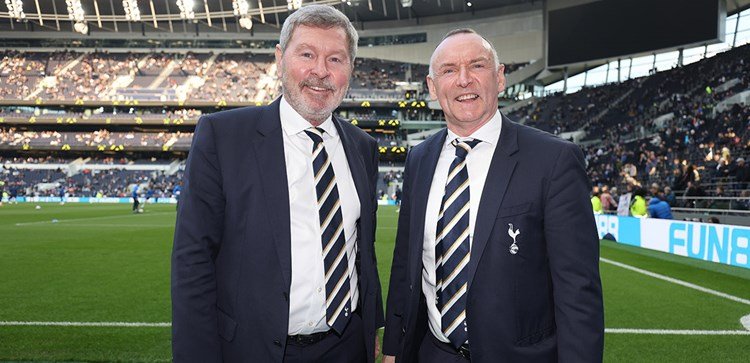
Paul Allen age at the time of his death was just 65 years old, but the Microsoft co-founder left behind a remarkable legacy that continues to shape technology, sports, and philanthropy in 2026.
Born on January 21, 1953, in Seattle, Washington, Paul Gardner Allen became one of the most influential businessmen, investors, and philanthropists of the modern era.
Despite his untimely death on October 15, 2018, Allen’s impact on the world remains profound, with his estate and foundations continuing his visionary work across multiple industries.
This comprehensive biography explores everything from Paul Allen’s early life and education to his groundbreaking partnership with Bill Gates, his massive $20.3 billion net worth, his surprisingly private love life, and the enduring legacy he left for future generations.
Table of Contents
Quick Facts About Paul Allen
| Detail | Information |
|---|---|
| Full Name | Paul Gardner Allen |
| Date of Birth | January 21, 1953 |
| Place of Birth | Seattle, Washington, United States |
| Date of Death | October 15, 2018 |
| Age at Death | 65 years old |
| Nationality | American |
| Net Worth (2018) | $20.3 billion |
| Education | Washington State University (dropped out) |
| Occupation | Businessman, investor, computer programmer, philanthropist |
| Known For | Co-founding Microsoft Corporation |
| Business Partner | Bill Gates |
| Companies Founded | Microsoft (1975), Vulcan Inc. (1986) |
| Sports Teams Owned | Seattle Seahawks (NFL), Portland Trail Blazers (NBA) |
| Marital Status | Never married |
| Children | None |
| Siblings | Jody Allen (sister) |
| SAT Score | Perfect 1600 |
| Cause of Death | Septic shock from non-Hodgkin lymphoma |
Early Life and Age
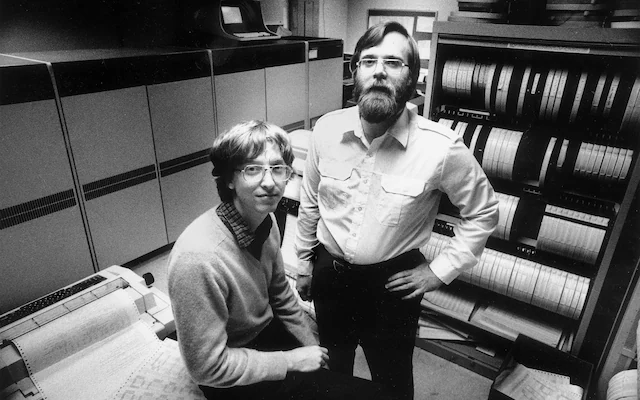
Paul Allen was born on January 21, 1953, making him a visionary of the Baby Boomer generation who would go on to revolutionize personal computing. His parents, Kenneth Sam Allen and Edna Faye Gardner Allen, were both educators—his father worked as a librarian at the University of Washington, while his mother taught fourth grade.
This intellectual household in Seattle, Washington, provided the perfect environment for young Paul’s burgeoning interest in technology and innovation.
From an early age, Paul Allen age wasn’t a barrier to his exceptional intellectual abilities. Growing up in the 1960s Seattle area, he developed a fascination with electronics and computers that was remarkably advanced for someone his age. His parents encouraged his curiosity, fostering an environment where learning and exploration were highly valued.
The Allen household was modest but comfortable, with Kenneth and Edna instilling strong values of education, hard work, and community service in their two children—Paul and his younger sister, Jody Allen.
These early experiences in Seattle would later influence Paul’s decision to keep the Pacific Northwest as his home base, even as his business ventures took him around the world.
By the time Paul reached his teenage years, his intellectual prowess was undeniable. He attended Lakeside School, an exclusive private preparatory school in Seattle, from 1965 to 1971. It was at Lakeside where the trajectory of his life—and the future of technology—would be forever altered through a fateful meeting with a younger student named Bill Gates.
Education Journey
Paul Allen’s education journey reads like a blueprint for genius-level achievement. His time at Lakeside School proved transformative, not just because of the quality education but due to the school’s forward-thinking investment in computer technology.
In the late 1960s, few schools had access to computers, but Lakeside’s Mothers’ Club raised funds to purchase Teletype terminals connected to a mainframe computer through time-sharing systems.
This access to computing technology was revolutionary for its time, and Paul Allen, then a teenager, dove headfirst into learning programming languages. He spent countless hours at the Teletype terminals, teaching himself BASIC, FORTRAN, and other programming languages.
It was during these sessions that he befriended Bill Gates, who was two years younger but equally passionate about computers.
The intellectual partnership between Allen and Gates began early. They would use the University of Washington’s Computer Science Department laboratory for personal research and programming projects, pushing boundaries until they were eventually banned in 1971 for exploiting system vulnerabilities—though this was more about their excessive use of resources than malicious intent.
Allen’s academic excellence culminated in achieving a perfect SAT score of 1600, a testament to his exceptional intellectual capabilities.
This accomplishment opened doors to top universities, and he enrolled at Washington State University in Pullman, where he joined the Phi Kappa Theta fraternity.
However, traditional college life couldn’t contain Allen’s ambitions. After just two years at Washington State University, he made the bold decision to drop out in 1974.
He moved to Boston to work as a programmer for Honeywell, strategically positioning himself near Harvard University where Bill Gates was enrolled. This move was calculated—Allen had a vision for the future of personal computing and knew he needed Gates to help realize it.
Microsoft Career: The Birth of a Tech Giant
Paul Allen’s Microsoft career began with a magazine article that would change the world. In December 1974, Allen was walking through Harvard Square when he spotted the January 1975 issue of Popular Electronics featuring the Altair 8800, one of the first personal computers available to hobbyists. He immediately recognized the revolutionary potential of this machine and rushed to show Gates.
This moment sparked the creation of Microsoft. Allen convinced Gates that they needed to develop software for the Altair 8800 before anyone else did.
Working frantically, the duo developed a BASIC interpreter for the Altair, even though they didn’t actually have access to the machine—they created a simulator on Harvard’s computers instead.
Their gamble paid off. In 1975, Paul Allen, then just 22 years old, co-founded Microsoft (originally “Micro-Soft”) with Bill Gates in Albuquerque, New Mexico, where the Altair manufacturer MITS was located. Allen came up with the company name, combining “microcomputer” and “software” to perfectly encapsulate their business vision.
As Microsoft’s executive vice president and vice chairman, Allen played crucial roles in the company’s early success:
- Strategic Acquisitions: In 1980, when IBM approached Microsoft about providing an operating system for their first personal computer, Allen spearheaded the deal to purchase QDOS (Quick and Dirty Operating System) from Seattle Computer Products for $50,000. This became MS-DOS, the foundation of Microsoft’s dominance.
- Technical Innovation: Allen contributed significantly to Microsoft’s early products, including their BASIC interpreters and the development of MS-DOS.
- Business Relationships: He helped negotiate the landmark deal with IBM that allowed Microsoft to retain the rights to license MS-DOS to other computer manufacturers—a decision that proved worth billions.
However, the partnership between Allen and Gates became increasingly strained. The two childhood friends argued frequently over work distribution, with Gates reportedly feeling he contributed more to the technical development.
In 1982, these tensions took a back seat to a more serious issue: Paul Allen was diagnosed with Stage 1-A Hodgkin’s lymphoma at age 29.
The cancer diagnosis prompted Allen to step back from day-to-day operations at Microsoft in early 1983, though he remained on the board of directors as vice chairman.
During his illness, Allen reportedly overheard Gates and Steve Ballmer discussing diluting his equity stake, a betrayal that damaged their relationship. Despite successful radiation therapy treating his cancer, Allen officially left Microsoft’s daily operations, retaining 25.2% ownership when the company went public.
This stake would make him a billionaire and eventually be worth tens of billions of dollars. Allen resigned from Microsoft’s board of directors on November 9, 2000, but remained as a senior strategy advisor.
By 2014, he still held 100 million shares of Microsoft stock, representing a significant portion of his wealth.
Post-Microsoft Ventures: A Diversified Empire
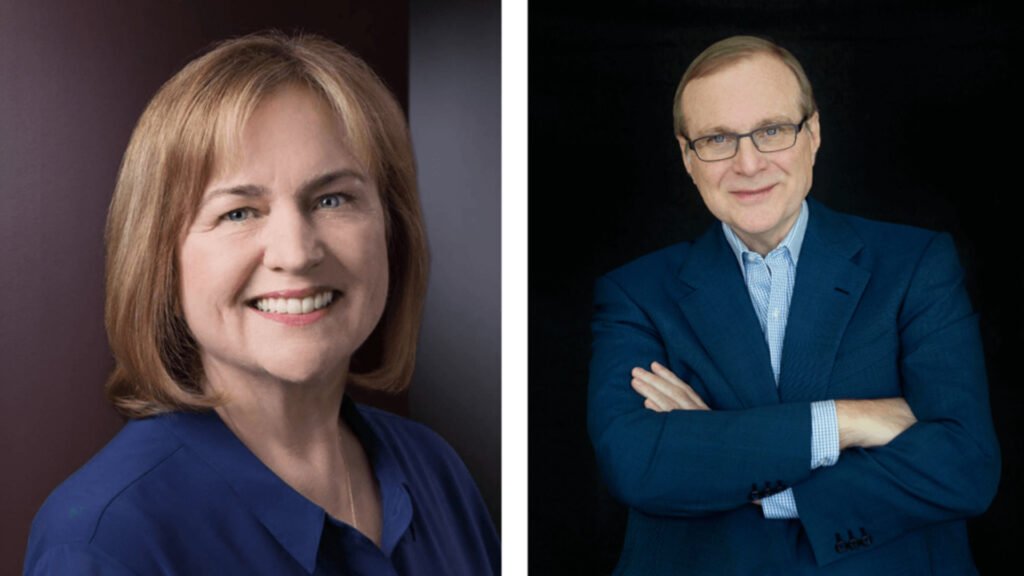
After leaving Microsoft’s daily operations, Paul Allen’s post-Microsoft ventures demonstrated his versatility as an investor, innovator, and entrepreneur. In 1986, he and his sister Jody Allen founded Vulcan Inc., a privately held company that would become the umbrella organization for his diverse business and philanthropic interests.
Vulcan Capital and Investments
Vulcan Capital became Allen’s primary investment vehicle, managing his personal fortune and making strategic investments across multiple sectors:
- Technology Companies: Allen invested in numerous tech startups and established companies, backing innovations in artificial intelligence, machine learning, and internet technologies.
- Charter Communications: In 1998, Allen bought a controlling interest in Charter Communications, which became one of the largest cable companies in America. Though the company filed for bankruptcy in 2009 (costing Allen an estimated $7 billion), his remaining stake post-reorganization was worth $535 million by 2012. The company’s 2016 merger with Time Warner Cable created the second-largest cable company in the U.S.
- Real Estate Development: Through Vulcan Real Estate, Allen transformed Seattle’s South Lake Union neighborhood, developing 6.3 million square feet of residential, office, retail, and biotechnology research space. His 2012 sale of a 1.8 million-square-foot office complex to Amazon for $1.16 billion became one of Seattle’s most expensive real estate deals.
Space Exploration Ventures
Allen’s passion for space exploration led to groundbreaking private aerospace initiatives:
- SpaceShipOne: In 2004, Allen confirmed he was the sole investor behind Burt Rutan’s SpaceShipOne, the first privately funded spacecraft to reach suborbital space. The project won the $10 million Ansari X Prize and earned Allen the Collier Trophy.
- Stratolaunch Systems: Founded in 2011, Stratolaunch developed the world’s largest aircraft by wingspan. The dual-bodied, six-engine carrier aircraft completed its maiden flight on April 13, 2019, five months after Allen’s death, reaching 15,000 feet. The achievement stood as a testament to his vision, though the company ceased operations shortly after.
Research Institutes
Allen founded three major research institutes that continue advancing scientific knowledge:
- Allen Institute for Brain Science (2003): With over $500 million in donations, this became Allen’s largest single philanthropic recipient, creating open-access brain atlases and research tools.
- Allen Institute for Artificial Intelligence (2014): Led by AI luminary Oren Etzioni, this institute focuses on high-impact AI research and has developed projects like Semantic Scholar.
- Allen Institute for Cell Science (2014): A $100 million commitment to create virtual models of human cells for disease research.
Patents and Innovation
Paul Allen held 43 patents from the United States Patent and Trademark Office, covering innovations in technology, media, and telecommunications.
In 2010, he filed a controversial patent infringement lawsuit against major tech companies including Google, Apple, Facebook, and Netflix, claiming they violated patents from his Interval Research Corporation.
Net Worth & Investments: Building a $20 Billion Fortune
Paul Allen net worth at the time of his death stood at an impressive $20.3 billion, making him one of the richest people in American history according to Forbes.
While his Microsoft stake formed the foundation of his wealth, Allen’s investment portfolio demonstrated remarkable diversification and sophistication.
Wealth Breakdown by Category
| Asset Category | Estimated Value | Percentage of Portfolio |
|---|---|---|
| Microsoft Stock | $8-10 billion | 40-50% |
| Real Estate Holdings | $2-3 billion | 10-15% |
| Sports Teams | $2-2.5 billion | 10-12% |
| Private Investments | $3-4 billion | 15-20% |
| Art Collection | $1-2 billion | 5-10% |
| Yachts & Personal Assets | $500 million+ | 2-3% |
Microsoft Stock Holdings
Despite leaving Microsoft’s daily operations in 1983, Allen’s 25.2% stake when the company went public made him extraordinarily wealthy. By 2014, he still owned 100 million Microsoft shares.
As Microsoft’s stock price appreciated over decades, this stake alone was worth billions. The company’s success with Windows, Office, Xbox, cloud computing (Azure), and enterprise software multiplied Allen’s wealth exponentially.
Alternative Investments
Allen was a pioneer in alternative investments, decades before they became mainstream:
- Art Collection: His art collection included masterpieces by Monet, Renoir, Klimt, Cézanne, and van Gogh. In November 2022, Christie’s auctioned his collection for over $1.5 billion—the largest art auction in history. Individual pieces sold for:
- Seurat’s “Les Poseuses” ($149 million)
- Cézanne’s “La Montagne Sainte-Victoire” ($138 million)
- Van Gogh’s “Verger avec cyprès” ($117 million)
- Klimt’s “Birch Forest” ($105 million)
- Yachts: His 414-foot yacht Octopus, launched in 2003, featured two helicopters, a submarine, an ROV, a swimming pool, a music studio, and a basketball court. Following his death, it was refitted and listed for $325 million. He also owned Tatoosh, one of the world’s 100 largest yachts.
- Aviation: Allen owned a collection of vintage military aircraft through his Flying Heritage Collection, showcasing restored World War II-era planes.
Investment Strategy Lessons
Allen’s approach to wealth building offers valuable insights:
- Diversification: He never relied solely on Microsoft stock, spreading investments across technology, real estate, sports, art, and aerospace.
- Long-term Vision: His space ventures and research institutes prioritized impact over immediate returns.
- Passion Projects: Allen invested in areas he genuinely cared about—music, sports, science, and exploration—proving that financial success and personal fulfillment aren’t mutually exclusive.
- Risk Management: While he took significant risks (like the $7 billion Charter Communications loss), his diversified portfolio cushioned setbacks.
Sports Team Ownership: A Passionate Fan’s Dream
Paul Allen’s sports team ownership ventures combined his business acumen with genuine passion for athletics. Unlike many billionaire team owners, Allen was a true fan who attended games regularly and invested heavily in his teams’ success and their communities.
Seattle Seahawks (NFL)
In 1997, Allen purchased the Seattle Seahawks from Ken Behring for approximately $200 million, saving the franchise from potentially relocating to Southern California.
Herman Sarkowsky, a former Seahawks minority owner, stated: “I’m not sure anybody else in this community would have done what [Allen] did.”
Allen’s ownership transformed the franchise:
- Stadium Investment: He contributed $130 million to help build what’s now known as Lumen Field, which opened in 2002 and became famous for its deafening crowd noise.
- Championship Success: Under Allen’s ownership, the Seahawks reached three Super Bowls (XL, XLVIII, and XLIX), winning Super Bowl XLVIII in 2014 with a dominant 43-8 victory over the Denver Broncos.
- Franchise Value: By 2014, Forbes valued the Seahawks at $1.33 billion, noting they had “one of the most rabid fan bases in the NFL.” Today in 2026, the franchise continues to be worth over $4 billion, making it one of Allen’s most successful investments from a return perspective.
- Ring of Honor: On October 3, 2019, Allen was posthumously inducted as the 12th member of the Seattle Seahawks Ring of Honor—a fitting tribute given the team’s “12th Man” tradition celebrating their fans.
Portland Trail Blazers (NBA)
Allen purchased the Portland Trail Blazers from California real estate developer Larry Weinberg in 1988 for $70 million, becoming one of the NBA’s most respected owners.
His Trail Blazers legacy includes:
- Moda Center Development: Allen was instrumental in developing and funding the Moda Center (originally the Rose Garden), which he purchased outright in 2007.
- Competitive Success: The Allen-owned Blazers reached the playoffs 19 times, including NBA Finals appearances in 1990 and 1992.
- Franchise Value: By 2021, Forbes valued the Trail Blazers at $2.09 billion, ranking them 13th out of 30 NBA teams.
- Community Impact: Allen’s ownership brought stability and consistent investment to Portland’s basketball franchise.
Seattle Sounders FC (MLS)
Allen’s Vulcan Sports & Entertainment became part-owner of Seattle Sounders FC when the Major League Soccer franchise launched in 2009. The ownership group, which included film producer Joe Roth, businessman Adrian Hanauer, and comedian Drew Carey, created one of MLS’s most successful franchises.
The Sounders sold out every home game during their inaugural season, setting new MLS attendance records. In 2016, the team won the MLS Cup championship, adding another title to Allen’s sports ownership resume.
Sports Ownership Philosophy
Allen’s approach to sports ownership was characterized by:
- Long-term Commitment: He held his teams for decades, never treating them as short-term investments.
- Community Investment: He funded stadiums and facilities that benefited entire cities.
- Competitive Excellence: He hired quality management and supported efforts to build winning teams.
- Fan Experience: He prioritized creating environments where fans could enjoy world-class sports entertainment.
Love Life & Personal Relationships: The Private Billionaire
Paul Allen love life remains one of the most intriguing and least documented aspects of his biography. Despite his enormous wealth and public profile, Allen never married and had no children—a fact that sets him apart from many of his billionaire contemporaries and raises questions about his personal priorities and private nature.
Romantic Relationships
Allen expressed interest in romantic love and once mentioned he hoped to have a family someday, but these dreams never materialized. His first serious relationship ended when wedding plans were cancelled because, as Allen himself admitted, he “was not ready to marry at 23.” This early experience may have shaped his approach to relationships for the rest of his life.
Throughout his adult life, Allen maintained an intensely private personal life. He was occasionally photographed at events with various companions, but he never publicly acknowledged a long-term romantic partner or serious relationship.
This privacy was intentional—Allen valued his personal space and rarely discussed his romantic life in interviews or his 2011 memoir “Idea Man.”
The Reclusive Billionaire
Many who knew Allen described him as reclusive, withdrawn, and modest despite his enormous wealth. This personality trait influenced his approach to relationships:
- Privacy Priority: Unlike some tech billionaires who courted media attention, Allen deliberately stayed out of the spotlight when it came to personal matters.
- Trust Issues: The 1982 incident where he overheard Bill Gates and Steve Ballmer discussing diluting his Microsoft equity may have reinforced his cautious approach to personal relationships.
- Work Focus: Particularly in his younger years at Microsoft, Allen devoted enormous energy to building the company, potentially limiting time for romantic relationships.
Personal Life Choices
Allen’s decision to remain unmarried and childless was respected by those close to him, though it sparked occasional public speculation. Some theories included:
- Dedication to Work: His numerous business ventures, philanthropic projects, and hobbies consumed most of his time and energy.
- Health Concerns: Two cancer diagnoses (Hodgkin’s lymphoma in 1982 and non-Hodgkin lymphoma in 2009) may have influenced his personal life decisions.
- Personal Preference: Some simply choose not to marry or have children, and Allen may have genuinely preferred his independent lifestyle.
Friendships and Social Circle
While romantic relationships remained private, Allen maintained important friendships:
- Bill Gates: Despite their business conflicts, Allen and Gates repaired their relationship over time. Gates donated $2.2 million with Allen to their childhood school Lakeside in 1986, and they remained friends until Allen’s death. Gates’ statement after Allen’s passing reflected genuine grief: “Personal computing would not have existed without him.”
- Sister Jody Allen: His closest family relationship was with his younger sister Jody, who became executor and trustee of his estate. They co-founded Vulcan Inc. and worked together on numerous projects.
- Music Community: Allen’s passion for playing guitar connected him with musicians like Quincy Jones, who praised Allen’s talent, saying he “sings and plays just like Hendrix.”
Estate and Legacy Planning
Allen’s lack of children meant his estate planning focused on philanthropy and ensuring his sister could continue his work. In his will, he designated Jody Allen as executor, trusting her to manage his teams, companies, and philanthropic commitments.
In 2022, the Paul Allen estate created the Fund for Science and Technology with an initial endowment of $3.1 billion, ensuring his philanthropic vision continues into 2026 and beyond.
Rock Hudson’s Estate
In the 1990s, Allen purchased Rock Hudson’s Los Angeles estate from film director John Landis, adding the Neptune Valley recording studio to the property. After Allen’s death, his family listed the home for $56 million, marking the end of his connection to this historic Hollywood property.
Philanthropy & Legacy: Giving Back Billions
Paul Allen philanthropy represents one of the most significant charitable commitments in modern history. Over his lifetime, Allen donated more than $2 billion to causes including science, technology, education, wildlife conservation, the arts, healthcare, and community services—making him one of the world’s most generous philanthropists.
The Giving Pledge
In 2010, Allen became a signatory of The Giving Pledge, founded by Bill Gates and Warren Buffett, promising to give at least half of his fortune to philanthropic causes. This commitment demonstrated his dedication to using wealth for societal benefit rather than purely personal enrichment.
Allen received numerous accolades for his generosity:
- Andrew Carnegie Medal of Philanthropy (2015)
- Inside Philanthropy’s “Philanthropist of the Year” (2014)
- Eli and Edythe Broad Award for Philanthropy in the Arts (2012)
Major Philanthropic Initiatives
Scientific Research ($1+ billion)
Allen’s scientific philanthropy focused on big questions about the brain, cells, and artificial intelligence:
- Allen Institute for Brain Science: $500+ million invested to understand how the human brain works, creating open-source brain atlases used by researchers worldwide.
- Allen Institute for Cell Science: $100 million to develop virtual cell models for disease research.
- Allen Institute for Artificial Intelligence: Ongoing funding for AI research that benefits humanity.
- Paul G. Allen Frontiers Group: $100 million for “out-of-the-box” bioscience research.
- Allen Distinguished Investigators Awards: Supporting early-stage research projects struggling to secure traditional funding.
- SETI Allen Telescope Array: $30 million for the search for extraterrestrial intelligence.
Wildlife and Environmental Conservation ($200+ million)
Allen’s commitment to protecting Earth’s ecosystems included:
- Great Elephant Census: $7+ million funded surveys across 20 African countries, documenting rapid elephant population decline.
- Global FinPrint: Three-year survey of sharks and rays in coral reef areas.
- Washington State Initiative 1401: Backed legislation prohibiting sales of products from endangered species.
- Sea Around Us Project: $2.6 million to improve global fisheries data and fight illegal fishing.
- Microgrids in Kenya: Funded small-scale power grids using renewable energy.
Education ($100+ million)
- University of Washington: $14 million for the Paul G. Allen Center for Computer Science and Engineering (2002), plus $40 million in 2017 to create the Paul G. Allen School of Computer Science and Engineering.
- Washington State University: $26 million for the Paul G. Allen School of Global Animal Health, the largest private donation in the university’s history.
- Kenneth S. and Faye G. Allen Library Endowment: $10 million honoring his parents at the University of Washington.
- Tufts and Stanford Universities: $10-20 million for Allen Discovery Centers researching morphogenetic codes.
Ebola Crisis Response ($100+ million)
In 2014, Allen pledged at least $100 million toward fighting the Ebola epidemic in West Africa, making him the largest private donor in the crisis. He created TackleEbola.org to spread awareness and coordinate donations, and hosted the Ebola Innovation Summit in 2015 to share knowledge and strategies.
Arts and Culture ($100+ million)
- Museum of Pop Culture (MoPOP): Founded in 2000 in a Frank Gehry-designed building at Seattle Center.
- Flying Heritage Collection: Museum showcasing restored World War II aircraft.
- Living Computer: Museum + Labs: Collection of vintage working computers.
- Seattle Cinerama Theater: Purchased and upgraded in 1998, installing the world’s first commercial digital laser projector.
- Seattle Art Fair: Founded in 2015, bringing major galleries and thousands of art enthusiasts to Seattle.
- Art Loans: Loaned over 300 pieces from his personal collection to 47 venues.
Wreck Discovery and Maritime Heritage
Allen funded the research vessel RV Petrel, which discovered numerous historically significant shipwrecks:
- HMS Hood ship’s bell (2015): Recovered and displayed at the National Museum of the Royal Navy
- Japanese battleship Musashi (2015)
- USS Indianapolis (2017)
- USS Ward (2017)
- USS Lexington (2018)
- USS Juneau (2018)
These discoveries provided closure for families and preserved important maritime history.
2026 Legacy Continuation
The Fund for Science and Technology, launched in August 2025 with $3.1 billion in endowment, ensures Allen’s philanthropic vision continues. Led by Lynda Stuart and chaired by Jody Allen, the foundation plans to deploy at least $500 million across bioscience, environmental protection, and artificial intelligence research.
Death & Final Years: A Legacy Cut Short
Paul Allen death on October 15, 2018, sent shockwaves through the technology, sports, and philanthropic communities. At just 65 years old, Allen’s life was cut short by complications from non-Hodgkin lymphoma, marking the end of an era but cementing a legacy that continues to influence the world in 2026.
Health Struggles
Allen’s battle with cancer spanned decades:
- First Diagnosis (1982): At age 29, Allen was diagnosed with Stage 1-A Hodgkin’s lymphoma. This diagnosis came during Microsoft’s crucial growth phase and prompted him to step back from daily operations. Several months of radiation therapy successfully treated the cancer, but the experience left a lasting impact on his perspective about life, work, and priorities.
- Second Diagnosis (2009): Twenty-seven years later, Allen was diagnosed with non-Hodgkin lymphoma, a different form of cancer. He underwent treatment while continuing to manage his business empire and philanthropic activities. For nine years, he battled the disease with characteristic determination and privacy.
- Final Battle (2018): On October 1, 2018, just two weeks before his death, Allen publicly announced that his non-Hodgkin lymphoma had returned. In a statement, he expressed optimism about his treatment prospects, but privately, the cancer had progressed significantly. On October 15, 2018, complications from the disease led to septic shock, and Paul Allen died surrounded by family in Seattle.
Final Days and Contributions
Even in his final years, Allen remained actively involved in his projects:
- Stratolaunch Development: He continued overseeing the Stratolaunch aircraft project, though he wouldn’t live to see its successful April 2019 maiden flight.
- Philanthropic Planning: He worked with advisors to ensure his charitable commitments would continue after his death.
- Team Management: He remained engaged with the Seahawks and Trail Blazers, attending games when his health permitted.
Global Tributes
Allen’s death prompted an outpouring of tributes from around the world:
- Bill Gates stated: “Paul loved life and those around him, and we all cherished him in return. He deserved much more time, but his contributions to the world of technology and philanthropy will live on for generations to come. We will miss him tremendously.”
- Seattle Tributes: On November 3, 2018, several Seattle landmarks including the Space Needle, Columbia Center, and Lumen Field were illuminated in blue as a tribute. Microsoft offices across the United States also participated in the memorial lighting.
- Sports World: The NFL and NBA communities mourned the loss of one of their most respected and generous owners. The Seahawks and Trail Blazers held memorial ceremonies, and players wore commemorative patches.
Estate Distribution
Jody Allen was named executor and trustee of Paul Allen’s estate, taking responsibility for:
- Sports Teams: Managing the Seattle Seahawks, Portland Trail Blazers, and Seattle Sounders FC ownership stakes
- Business Ventures: Overseeing Vulcan Inc. and its various subsidiaries
- Philanthropic Foundations: Ensuring the Paul G. Allen Family Foundation and other charitable commitments continue
- Asset Liquidation: Managing the sale of personal assets including the record-breaking $1.5 billion art collection auction
Continuing Impact in 2026
Eight years after his death, Paul Allen’s influence remains powerful:
- Research Institutes: The Allen Institutes continue producing groundbreaking research in brain science, cell science, and artificial intelligence.
- Sports Teams: The Seahawks and Trail Blazers remain competitive franchises under Jody Allen’s stewardship.
- Fund for Science and Technology: With $3.1 billion in funding, Allen’s newest foundation launched in 2025 is supporting cutting-edge research.
- Real Estate Legacy: The South Lake Union neighborhood transformation continues to benefit Seattle’s economy.
- Space Exploration: Although Stratolaunch Systems ceased operations, Allen’s contributions to private space travel influenced companies like SpaceX and Blue Origin.
Paul Allen’s Flower Fly
In a unique scientific honor, a species of flower fly was named “Paul Allen’s flower fly” in recognition of his contributions to dipterology and scientific research—a fitting tribute to someone who dedicated billions to advancing human knowledge.
Frequently Asked Questions (FAQs)
Q1: How old was Paul Allen when he died?
Paul Allen was 65 years old when he died on October 15, 2018. He was born on January 21, 1953, in Seattle, Washington, and passed away from complications related to non-Hodgkin lymphoma in his hometown.
Q2: What was Paul Allen’s net worth at death?
Paul Allen’s net worth was estimated at $20.3 billion at the time of his death in 2018, making him one of the richest people in American history. His wealth came primarily from his Microsoft stock holdings, real estate investments, sports teams, and diverse business portfolio.
Q3: Did Paul Allen ever get married or have children?
No, Paul Allen never married and had no children. He expressed interest in having a family but remained unmarried throughout his life, maintaining a notably private personal life despite his enormous wealth and public profile.
Q4: What percentage of Microsoft did Paul Allen own?
Paul Allen owned 25.2% of Microsoft when the company went public in 1986, which made him a billionaire. By 2014, he still held approximately 100 million Microsoft shares, though this represented a smaller percentage due to stock splits and dilution over the years.
Q5: Which sports teams did Paul Allen own?
Paul Allen owned the Seattle Seahawks (NFL), which he purchased in 1997 for $200 million, and the Portland Trail Blazers (NBA), which he bought in 1988 for $70 million. He was also a part-owner of Seattle Sounders FC (MLS). The Seahawks won Super Bowl XLVIII under his ownership.
Q6: What was Paul Allen’s relationship with Bill Gates like?
Paul Allen and Bill Gates were childhood friends who co-founded Microsoft in 1975. Their relationship became strained in the early 1980s due to business disagreements and Allen’s perception that Gates tried to dilute his equity. However, they reconciled over the years and remained friends until Allen’s death in 2018.
Q7: What caused Paul Allen’s death?
Paul Allen died from septic shock caused by complications from non-Hodgkin lymphoma on October 15, 2018. He had previously battled Hodgkin’s lymphoma in 1982 and was diagnosed with non-Hodgkin lymphoma in 2009, fighting the disease for nearly a decade before it ultimately proved fatal.
Q8: How much money did Paul Allen donate to charity?
Paul Allen donated more than $2 billion to charitable causes during his lifetime, focusing on scientific research, education, wildlife conservation, arts and culture, and healthcare. He signed The Giving Pledge in 2010, committing to give away at least half his fortune to philanthropy.
Q9: What is the Paul Allen estate doing in 2026?
In 2026, the Paul Allen estate continues his legacy through the Fund for Science and Technology, which launched in August 2025 with $3.1 billion in funding. The foundation, chaired by his sister Jody Allen, supports research in bioscience, environmental protection, and artificial intelligence. His art collection was auctioned in 2022 for over $1.5 billion.
Q10: What was Paul Allen’s greatest achievement?
While Paul Allen’s greatest achievement is arguably co-founding Microsoft and helping launch the personal computer revolution, his legacy extends far beyond technology. His philanthropic contributions to brain science, wildlife conservation, and education; his ownership of successful sports franchises; and his pioneering work in private space exploration collectively represent a multifaceted impact that continues to benefit humanity.
Conclusion
Even though Paul Allen passed away in 2018, his legacy continues to inspire people around the world in 2026. Known as the visionary co-founder of Microsoft, Allen’s contributions to technology, science, music, sports, and philanthropy remain deeply influential.
His impressive net worth during his lifetime reflected not only his business success but also his passion for investing in innovation, space exploration, medical research, and cultural development. Paul Allen’s life story shows how creativity, curiosity, and ambition can reshape industries and create opportunities for others.
Paul Allen kept his personal and love life relatively private, choosing instead to let his work and generosity speak for him. His charitable foundations and global initiatives continue to fund meaningful causes, ensuring that his impact lives on long after his passing.
In 2026, Paul Allen is remembered not just as a billionaire entrepreneur, but as a compassionate philanthropist, a lover of music and sports, and a visionary who helped build the foundation of the digital world we live in today. His legacy remains a reminder that true success is defined by both achievement and contrib