
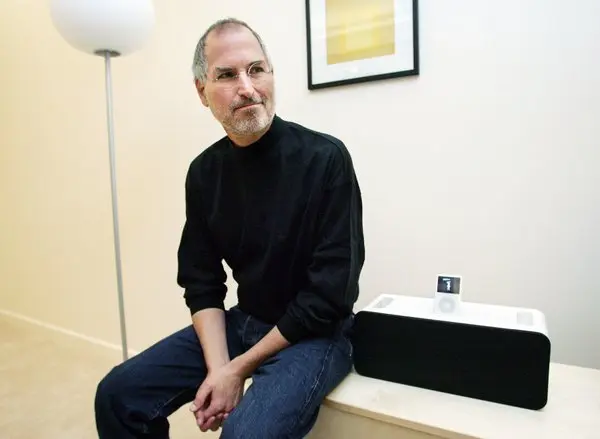
Steve Jobs age at the time of his death was 56 years old when the visionary entrepreneur and Apple cofounder passed away on October 5, 2011, leaving behind an unparalleled legacy that continues to shape technology and innovation in 2026.
Born Steven Paul Jobs on February 24, 1955, in San Francisco, California, he revolutionized multiple industries during his relatively short but extraordinarily impactful lifetime.
From cofounding Apple Computer in his parents’ garage at age 21 to becoming one of the world’s most influential business leaders, Steve Jobs transformed personal computing, animated films, music distribution, mobile phones, and tablet computing before his untimely death from pancreatic cancer complications.
This comprehensive biography explores the remarkable life of Steve Jobs, examining his age milestones, career achievements, incredible net worth accumulation, marriage to Laurene Powell Jobs, his four children, and the enduring impact of his innovations fifteen years after his passing.
Whether you’re a technology enthusiast, entrepreneur seeking inspiration, or simply curious about the man behind the iPhone, this detailed guide provides everything you need to know about Steve Jobs’ extraordinary journey from adopted child to billionaire innovator.
Table of Contents
Quick Facts About Steve Jobs
| Category | Details |
|---|---|
| Full Name | Steven Paul Jobs |
| Date of Birth | February 24, 1955 |
| Place of Birth | San Francisco, California, USA |
| Date of Death | October 5, 2011 |
| Age at Death | 56 years old |
| Place of Death | Palo Alto, California, USA |
| Cause of Death | Pancreatic neuroendocrine tumor complications |
| Nationality | American |
| Occupation | Entrepreneur, Inventor, Businessman, Designer |
| Famous For | Cofounder and CEO of Apple Inc., Pixar Animation Studios |
| Net Worth at Death | $10.2 billion (2011) |
| Would Be Age in 2026 | 70 years old |
| Wife | Laurene Powell Jobs (married March 18, 1991) |
| Children | Four (Lisa, Reed, Erin, Eve) |
| Parents | Paul and Clara Jobs (adoptive), Abdulfattah Jandali and Joanne Schieble (biological) |
| Education | Reed College (dropped out after one semester) |
| Height | 6 feet 2 inches (1.88 m) |
| Religion | Buddhism (Zen Buddhist practices) |
| Notable Products | Apple I, Apple II, Macintosh, iPod, iPhone, iPad |
| Awards | Presidential Medal of Freedom (2022, posthumous) |
Steve Jobs Age: Born, Milestones & Death at 56
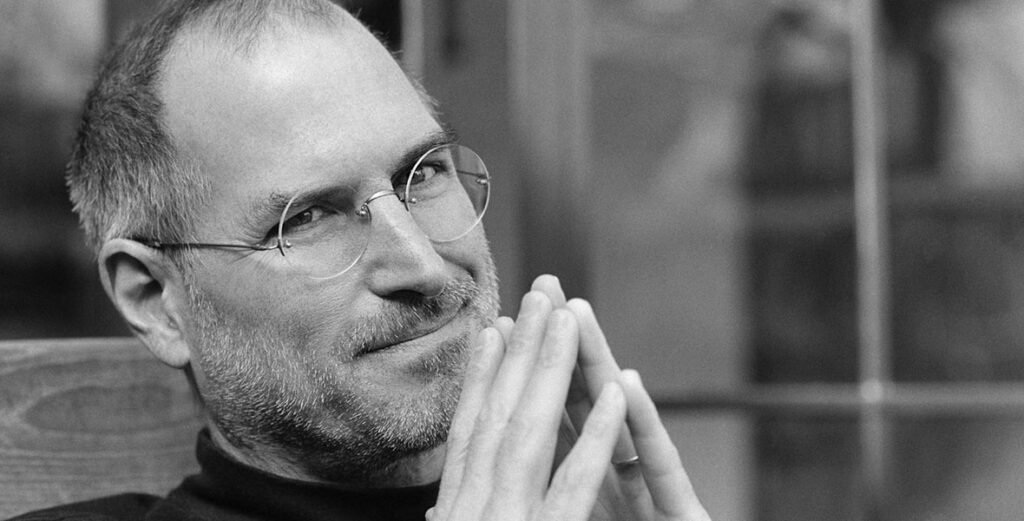
Steve Jobs was born on February 24, 1955, making him a Pisces according to astrological signs. Throughout his 56 years of life, Jobs achieved more than most people accomplish in significantly longer lifetimes.
Understanding his age during key life events provides crucial context for appreciating the extraordinary pace of his achievements and the tragedy of his relatively early death.
Birth and Adoption (Age 0)
At birth in San Francisco, Steven Paul was immediately placed for adoption by his biological parents, Joanne Carole Schieble and Abdulfattah “John” Jandali, a Syrian immigrant.
The couple faced family opposition to their relationship, as Schieble’s father disapproved of her dating a Syrian. Paul Reinhold Jobs and Clara Hagopian Jobs, a working-class couple from Mountain View, California, adopted the infant.
Paul was a machinist and Coast Guard veteran, while Clara worked as an accountant. The adoption agreement included a promise from the adoptive parents that they would ensure Steven received a college education, a commitment that would later cause financial strain but demonstrated their dedication to his future.
Childhood and Early Education (Ages 1-17)
Growing up in Mountain View, California, young Steve showed early signs of the perfectionism and curiosity that would define his career.
By age 10, he was deeply interested in electronics, influenced by the many engineers living in the Silicon Valley neighborhood.
His father Paul built a workbench in their garage where he taught Steve about electronics and mechanics, planting seeds that would later flourish into world-changing innovations.
During middle school, Steve struggled with traditional education, frequently clashing with authority and misbehaving. He was suspended multiple times and struggled to make friends.
At age 12, he gave his parents an ultimatum: allow him to change schools or he would drop out. The Jobs family, despite limited financial resources, bought a new house in Cupertino to enroll Steve in a better school district.
At age 13 in 1968, Steve displayed the boldness that would characterize his business approach when he cold-called Bill Hewlett, cofounder of Hewlett-Packard, to ask for spare parts for an electronics project.
Impressed by the teenager’s audacity, Hewlett not only provided the parts but offered Jobs a summer internship at HP. During high school at Homestead High School, Steve met Steve Wozniak, five years his senior, through a mutual friend. This meeting would prove pivotal, as Wozniak would become his future Apple cofounder.
College Years and Dropping Out (Ages 17-19)
At age 17 in 1972, Jobs enrolled at Reed College in Portland, Oregon, one of the most expensive colleges in America. He chose Reed despite the financial burden it placed on his working-class adoptive parents.
However, after just one semester, at age 18, Jobs made the unconventional decision to drop out. He didn’t see the value in spending his parents’ life savings on an education that felt meaningless to him.
Remarkably, Jobs didn’t leave Reed entirely. He continued auditing classes that interested him for another 18 months, including a calligraphy course that would later influence the beautiful typography of the Macintosh computer.
During this period, he slept on floors in friends’ dorm rooms, returned Coke bottles for the 5-cent deposits to buy food, and walked seven miles every Sunday night to get a free meal at the Hare Krishna temple.
These experiences taught him about minimalism and Eastern philosophy, influences that would shape both his personal life and design philosophy.
Early Career and Apple Founding (Ages 19-21)
Returning to California in 1974 at age 19, Jobs took a job as a technician at Atari, the video game company. Atari cofounder Nolan Bushnell later described the young Jobs as “difficult but valuable,” noting that “he was very often the smartest guy in the room, and he would let people know that.” This early characterization would remain accurate throughout Jobs’ career.
At age 21 in 1976, Jobs cofounded Apple Computer Company with Steve Wozniak and Ronald Wayne (who famously sold his 10% stake for $800 shortly after founding, missing out on what would become billions).
They began operations in Jobs’ parents’ garage in Los Altos, California, on April 1, 1976. The name “Apple” came from Jobs’ time working at an apple orchard, and he liked that it sounded “fun, spirited, and not intimidating” for unfamiliar technology. This marked the beginning of a journey that would revolutionize computing.
Millionaire to Billionaire (Ages 23-30)
By age 23 in 1978, just two years after founding Apple, Jobs was worth over $1 million. The Apple II computer had become a massive success, generating millions in revenue.
When Apple went public on December 12, 1980, the 25-year-old Jobs found himself worth $250 million virtually overnight. The IPO created over 300 millionaires among Apple employees, but Jobs’ stake made him one of the youngest self-made millionaires in history.
However, success brought challenges. In 1984, at age 29, Jobs introduced the Macintosh computer with tremendous fanfare, including the famous “1984” Super Bowl commercial. While initially successful, the Macintosh’s high price and limited software led to disappointing sales.
Boardroom tensions escalated between Jobs and CEO John Sculley, whom Jobs had recruited from Pepsi with the famous challenge: “Do you want to sell sugar water for the rest of your life, or do you want to come with me and change the world?”
At age 30 in 1985, Jobs was forced out of Apple, the company he had cofounded, after a boardroom battle. This devastating professional setback could have ended his career.
Instead, Jobs sold almost all his Apple stock (keeping just one share to attend shareholder meetings), netting approximately $100 million, and embarked on new ventures that would ultimately prove even more transformative.
NeXT and Pixar Years (Ages 30-41)
After leaving Apple, 30-year-old Jobs immediately founded NeXT Computer, investing $12 million of his own money. While NeXT’s computers never achieved commercial success, the company’s advanced operating system technology would later prove invaluable when Apple acquired NeXT in 1997.
Also in 1986, Jobs purchased a small computer graphics division from George Lucas for $10 million, renaming it Pixar Animation Studios.
At age 40 in 1995, Pixar released “Toy Story,” the world’s first fully computer-animated feature film, which became a massive critical and commercial success.
When Pixar went public one week after the film’s release, Jobs’ stake became worth $1.5 billion, instantly restoring his billionaire status after the lean NeXT years.
Return to Apple and Renaissance (Ages 41-56)
At age 41 in 1997, Apple acquired NeXT for $427 million, bringing Jobs back to the struggling company he had cofounded. Within a year, at age 42, he was named CEO again. What followed was arguably the greatest corporate comeback in business history.
At age 45 in 2001, Jobs introduced the iPod, revolutionizing how people listened to music. At age 52 in 2007, he unveiled the iPhone, a device that would fundamentally transform mobile communication, computing, and daily life. At age 55 in 2010, he launched the iPad, creating an entirely new product category.
Throughout this period, Jobs rebuilt Apple from near-bankruptcy in 1997 to becoming one of the world’s most valuable and influential companies. His age during these achievements—mostly in his 40s and early 50s—demonstrates that extraordinary innovation doesn’t require youth, but rather vision, determination, and the courage to challenge conventional thinking.
Final Years (Ages 51-56)
Tragically, Jobs’ incredible run of innovation was shadowed by health problems. At age 48 in 2003, he was diagnosed with a rare form of pancreatic cancer called a neuroendocrine tumor.
Unlike typical pancreatic cancer, this type was treatable if caught early. However, Jobs initially resisted conventional medical treatment, instead trying alternative therapies for nine months—a decision he would later regret.
At age 54 in 2009, Jobs underwent a liver transplant in Tennessee. His health continued to decline, and on August 24, 2011, at age 56, Jobs resigned as Apple CEO, with longtime colleague Tim Cook succeeding him. Just six weeks later, on October 5, 2011, Steve Jobs died at his home in Palo Alto, California, at age 56, surrounded by his wife, children, and siblings.
If Steve Jobs were alive today in 2026, he would be 70 years old—an age when many leaders are still actively contributing to their fields. His death at 56 robbed the world of potentially another decade or more of innovation and leadership, making his passing not just a personal tragedy for his family but a significant loss for technology and business worldwide.
Early Life: Adoption, Childhood & Education
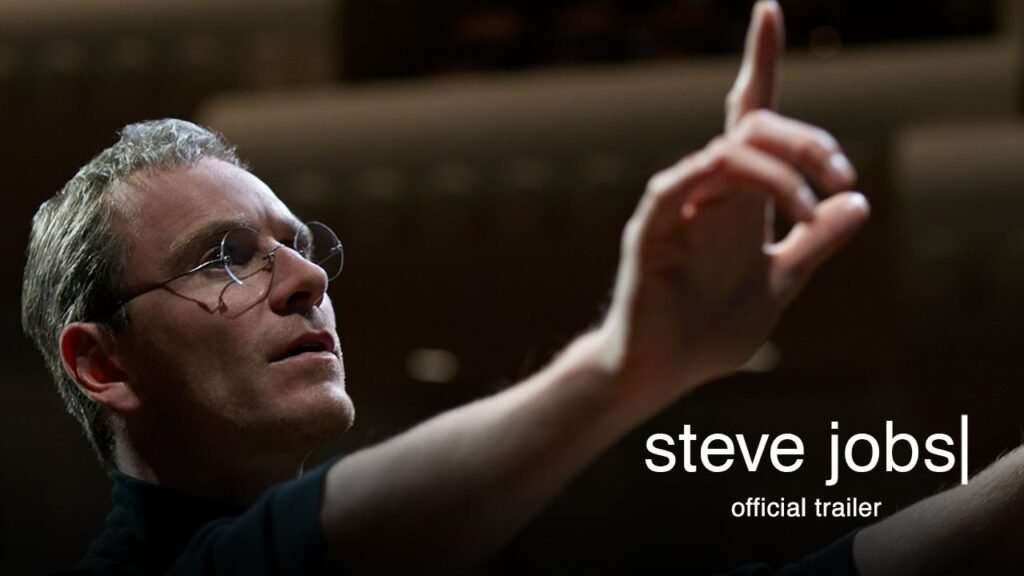
The story of Steve Jobs’ early life reads like a novel, filled with chance encounters, unconventional choices, and the shaping forces that would mold one of history’s most influential entrepreneurs. Understanding his formative years provides essential context for the man he would become.
Biological Parents and Adoption
Steven Paul Jobs was born in San Francisco on February 24, 1955, to two University of Wisconsin graduate students: Joanne Carole Schieble, an American Catholic, and Abdulfattah “John” Jandali, a Syrian Muslim immigrant teaching assistant.
The couple was unmarried, and Schieble’s father, a conservative Wisconsin farmer, strongly disapproved of her relationship with Jandali, threatening to disown her if she married him.
Facing family pressure and uncertain about their future, the young couple made the difficult decision to place their baby for adoption. Schieble had one firm requirement: the adoptive parents must be college graduates.
Initially, the baby was placed with a lawyer and his wife, but when they decided at the last minute that they wanted a girl, the child was offered to Paul and Clara Jobs, a working-class couple who had been waiting to adopt.
There was just one problem: neither Paul nor Clara had college degrees. Schieble initially refused to sign the adoption papers.
Only after Paul and Clara promised in writing that they would create a college fund and ensure Steven received a university education did Schieble relent.
This agreement would later create financial strain for the Jobs family but demonstrated their commitment to their adopted son’s future.
The adoption profoundly affected Steve Jobs throughout his life. He felt “special” being chosen by his parents but also grappled with complex feelings about being given up by his biological parents.
In later interviews, Jobs insisted that Paul and Clara were “1,000% my parents” and bristled at the phrase “adopted child,” preferring to say that he was “chosen.” However, he also acknowledged that the adoption shaped his fierce independence and his drive to prove himself worthy.
Interestingly, Jobs’ biological parents later married and had another child, Mona Simpson, who became an acclaimed novelist. Jobs met his biological mother and sister in his 30s and developed a close relationship with Mona, but he refused to meet Jandali, harboring resentment that his father had “abandoned” him.
Growing Up in Silicon Valley
Paul Reinhold Jobs was a Coast Guard veteran who worked as a machinist, while Clara Hagopian Jobs worked as an accountant. They were not wealthy, but they provided a stable, loving home for Steve and his adopted sister Patricia, whom they adopted in 1957.
The family lived in Mountain View, California, in the heart of what would soon become known as Silicon Valley. Paul’s work involved buying, fixing, and reselling used cars, and he taught young Steve about mechanics and craftsmanship in their garage workshop.
Paul instilled in Steve the importance of quality in all aspects of a product, even the parts no one would see. This lesson would later manifest in Jobs’ insistence on elegant design even for the interior components of Apple products.
The neighborhood was filled with engineers working for tech companies like Hewlett-Packard and other electronics firms. This environment exposed young Steve to technology and innovation from an early age. By age 10, he knew he wanted to work with electronics, not mechanics like his father.
Educational Challenges and Triumphs
Steve Jobs’ relationship with formal education was complicated from the start. He was exceptionally bright but struggled with traditional classroom structures and authority.
At Monta Loma Elementary School, his fourth-grade teacher, Imogene “Teddy” Hill, recognized his intelligence and bribed him with money and candy to study. Jobs later credited her with possibly saving his academic career, as he had been on the verge of becoming a “juvenile delinquent.”
Jobs’ intelligence allowed him to skip fifth grade, but his middle school years at Crittenden Middle School were miserable. He faced bullying and felt isolated.
At age 12, he gave his parents an ultimatum that would change everything: move to a better school district or he would drop out.
Despite the financial burden, Paul and Clara bought a new house in Los Altos, in the Cupertino School District, demonstrating the sacrifices they made for their son’s education.
At Homestead High School, Jobs thrived intellectually while remaining something of a loner socially. He took electronics classes and joined the Hewlett-Packard Explorers Club, where he saw his first desktop computer and knew immediately that he wanted to work with computers.
The boldness he displayed at age 13 in cold-calling Bill Hewlett for parts—and actually getting a summer job from it—showed the audacity that would characterize his career.
The Reed College Experience
Jobs’ decision to attend Reed College in Portland, Oregon, was driven by his adoption-shaped desire to prove himself worthy. He chose Reed partly because his biological mother had wanted his adoptive parents to be college graduates, making college symbolically important. However, Reed was extremely expensive, and within months, Jobs couldn’t justify the cost to his working-class parents.
After one semester, he dropped out but remained at Reed for another 18 months, auditing classes that interested him, particularly a calligraphy course taught by Robert Palladino. This class, which Jobs took simply because the beautiful posters around campus intrigued him, would later influence the elegant typography of the Macintosh and establish Apple’s reputation for design excellence.
During this period, Jobs deepened his interest in Eastern spirituality and Zen Buddhism. He experimented with vegetarianism, fasting, and meditation practices that would influence his minimalist aesthetic and his famous focus on simplicity in design. He also experimented with LSD during this era, later calling it one of the most important experiences of his life, claiming it helped him see beyond conventional thinking.
The Reed College experience perfectly encapsulated Jobs’ approach to education and life: he rejected the parts that didn’t serve him (formal degree requirements) while passionately pursuing the knowledge that fascinated him (calligraphy, philosophy, design). This selective, passionate approach to learning would characterize his entire life and career.
Steve Jobs Career Journey: From Apple to Pixar
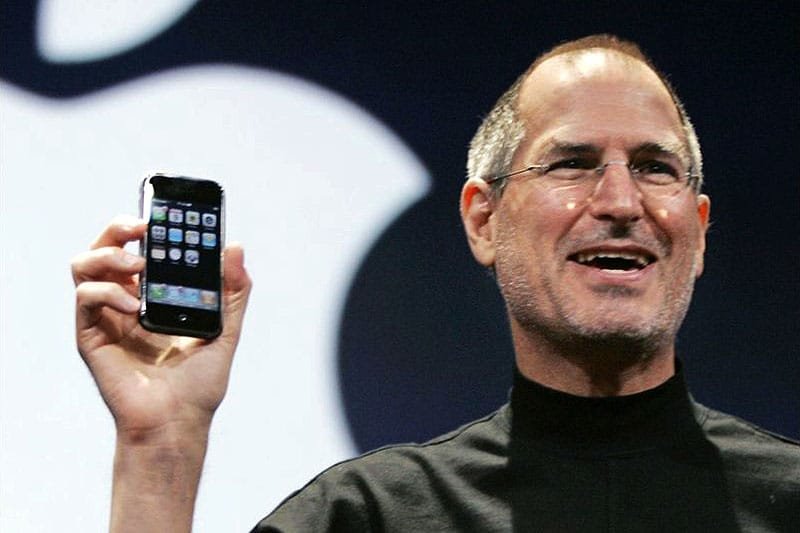
Steve Jobs’ career was marked by extraordinary highs, devastating lows, and an unprecedented comeback that transformed multiple industries. His journey from garage startup to tech titan remains one of the most compelling business stories in American history.
Atari and the Blue Box (1974-1976)
Jobs’ first significant job came at age 19 when he joined Atari, the pioneering video game company, as a technician. Atari cofounder Nolan Bushnell hired him despite his difficult personality because Jobs was brilliant and got results. During this period, Jobs reconnected with his friend Steve Wozniak, who was working at Hewlett-Packard.
Wozniak showed Jobs a device he had created called a “blue box” that could manipulate phone systems to make free long-distance calls (phone phreaking). Jobs immediately saw commercial potential and convinced Wozniak to build and sell the devices. They manufactured about 100 blue boxes and sold them for $150 each before stopping due to the illegality and danger involved. This partnership showed Jobs’ talent for recognizing the commercial potential of Wozniak’s technical genius—a pattern that would define their relationship.
Founding Apple Computer (1976-1985)
In early 1976, Wozniak designed what would become the Apple I computer, intending to give away the design to the Homebrew Computer Club, a gathering of electronics enthusiasts. Jobs had a different vision: manufacture and sell completed computers. On April 1, 1976, Jobs, Wozniak, and Ronald Wayne founded Apple Computer Company in Jobs’ parents’ garage in Los Altos.
Wayne contributed administrative oversight and documentation but sold his 10% stake just 12 days later for $800 (plus $1,500 later), famously becoming the man who made the worst financial decision in business history. That stake would be worth over $200 billion today.
Jobs’ first major business deal came when Paul Terrell, owner of The Byte Shop computer store, ordered 50 Apple I computers for $500 each—but they had to be fully assembled, not kits. This $25,000 order required borrowing money to buy parts, but it established Apple as a real business. Eventually, about 200 Apple I computers were sold.
The Apple II, introduced in 1977, became the company’s breakthrough product. With its color graphics and open architecture, it was perfect for homes, schools, and small businesses. By 1980, Apple had annual sales of $117 million and employed over 1,000 people. When Apple went public on December 12, 1980, it had the largest IPO since Ford Motor Company in 1956, creating more instant millionaires (over 300) than any company in history to that point.
The Macintosh and the Fall (1984-1985)
In 1984, Jobs introduced the Macintosh with unprecedented fanfare, including the famous “1984” Super Bowl commercial directed by Ridley Scott. The commercial, which positioned Apple as a revolutionary force against IBM’s conformity, only aired once on television but became one of the most famous advertisements in history.
The Macintosh was revolutionary, featuring a graphical user interface and mouse when other computers required typing arcane commands. However, it was expensive ($2,495), underpowered, and had limited software. Sales disappointed after initial enthusiasm, and tensions mounted between Jobs and CEO John Sculley.
In May 1985, following a boardroom showdown, the Apple board sided with Sculley, and Jobs was stripped of operational duties. At age 30, Jobs was effectively forced out of the company he had cofounded. He sold almost all his Apple shares, keeping only one to receive annual reports, and left feeling betrayed and devastated.
NeXT Computer (1985-1997)
Within days of leaving Apple, Jobs founded NeXT Computer with $7 million of his own money. He envisioned creating a powerful computer for universities and businesses. Jobs recruited former Apple employees and poured resources into creating not just a great computer but a beautiful one, with a striking black cube design.
The NeXT Computer launched in 1988 with a $6,500 price tag. It featured advanced technology including object-oriented programming and a Unix-based operating system. However, the computer was too expensive and too slow for most users. NeXT sold only about 50,000 units total—a commercial failure.
However, NeXT’s software proved valuable. The NeXTSTEP operating system was elegant and powerful, and Tim Berners-Lee used a NeXT computer to create the World Wide Web in 1990. When Apple desperately needed a modern operating system in 1996, they acquired NeXT for $427 million, bringing Jobs back to Apple and providing the foundation for Mac OS X.
Pixar Animation Studios (1986-2006)
While NeXT struggled, Jobs’ other venture would prove spectacularly successful. In 1986, he purchased the computer graphics division of Lucasfilm for $10 million, renaming it Pixar. Initially, Pixar sold expensive graphics computers, but Jobs became intrigued by their animation demonstrations, which showed the potential for computer-generated films.
Jobs invested over $50 million of his own money to keep Pixar afloat during lean years when the company lost money. His persistence paid off when Pixar signed a deal with Disney to produce computer-animated feature films. “Toy Story,” released in 1995, became a massive success, earning over $373 million worldwide and proving that computer animation could tell emotionally resonant stories.
Pixar went public one week after “Toy Story” premiered, and Jobs’ stake became worth $1.5 billion. Pixar went on to create hit after hit: “A Bug’s Life,” “Toy Story 2,” “Monsters, Inc.,” “Finding Nemo,” “The Incredibles,” and more. In 2006, Disney acquired Pixar for $7.4 billion, making Jobs Disney’s largest individual shareholder with 138 million shares and giving him a seat on Disney’s board.
Return to Apple and the Renaissance (1997-2011)
When Jobs returned to Apple in 1997, the company was just 90 days from bankruptcy. Jobs became interim CEO (“iCEO”) and immediately made drastic changes: he cut 70% of Apple’s product line, focusing on just four computers, ended the licensing of Mac OS to other manufacturers, and pushed the development of the iMac.
The iMac, introduced in 1998 with its colorful, translucent design, became a hit and saved Apple from collapse. But Jobs was just getting started. Under his leadership, Apple introduced:
- iPod (2001): Revolutionized portable music with “1,000 songs in your pocket”
- iTunes Store (2003): Changed music distribution and saved the music industry
- iPhone (2007): Combined phone, iPod, and internet communicator, transforming mobile technology
- App Store (2008): Created a new software economy worth billions
- iPad (2010): Created the tablet computer market
- Apple Watch (2014 development): Pioneered wearable technology (released after Jobs’ death)
By the time of Jobs’ death in 2011, Apple was the world’s most valuable technology company, and his vision had transformed computing, music, phones, and entertainment. His career arc—from startup in a garage to firing to redemption to triumph—remains unmatched in business history.
Age & Career Milestones Timeline
| Age | Year | Major Milestone | Significance |
|---|---|---|---|
| 0 | 1955 | Born February 24 in San Francisco | Adopted by Paul and Clara Jobs |
| 13 | 1968 | Cold-called Bill Hewlett | Got summer job at Hewlett-Packard |
| 17 | 1972 | Enrolled at Reed College | Dropped out after one semester |
| 19 | 1974 | Joined Atari as technician | First significant tech job |
| 21 | 1976 | Cofounded Apple Computer | Started with Wozniak in parents’ garage |
| 23 | 1978 | Became millionaire | Apple II sales exploded |
| 23 | 1978 | Daughter Lisa born | With girlfriend Chrisann Brennan |
| 25 | 1980 | Apple went public (IPO) | Net worth reached $250 million |
| 29 | 1984 | Introduced Macintosh | Revolutionary but commercially disappointing |
| 30 | 1985 | Forced out of Apple | Sold nearly all Apple stock |
| 30 | 1985 | Founded NeXT Computer | Invested $7 million of own money |
| 31 | 1986 | Purchased Pixar from Lucas | Invested $10 million |
| 36 | 1991 | Married Laurene Powell | March 18, 1991 ceremony |
| 36 | 1991 | Son Reed born | First child with Laurene |
| 40 | 1995 | Pixar’s “Toy Story” released | First fully computer-animated feature |
| 40 | 1995 | Pixar IPO | Net worth became $1.5 billion |
| 41 | 1997 | Returned to Apple | Apple acquired NeXT for $427 million |
| 42 | 1998 | iMac introduced | Saved Apple from bankruptcy |
| 45 | 2001 | Introduced iPod | Revolutionized portable music |
| 48 | 2003 | Diagnosed with cancer | Pancreatic neuroendocrine tumor |
| 52 | 2007 | Launched iPhone | “Reinvented the phone” |
| 51 | 2006 | Disney acquired Pixar | $7.4 billion deal, became Disney’s largest shareholder |
| 54 | 2009 | Liver transplant | Health declining |
| 55 | 2010 | Introduced iPad | Created tablet computer market |
| 56 | 2011 | Resigned as Apple CEO | August 24, six weeks before death |
| 56 | 2011 | Died October 5 | Pancreatic cancer complications in Palo Alto |
Net Worth: From Millions to Billions
Steve Jobs’ financial journey was as extraordinary as his career, marked by rapid wealth accumulation, devastating losses, and an unprecedented comeback. What makes his wealth story particularly fascinating is that at the time of his death, the majority of his $10.2 billion net worth came not from Apple, the company he cofounded, but from Disney stock acquired through the Pixar sale.
Early Wealth (Age 23-25)
Jobs became a millionaire at age 23 in 1978, just two years after founding Apple. The Apple II computer had become a phenomenon, and the company’s revenues soared from $175,000 in 1976 to $2.7 million in 1977, then to $7.8 million in 1978. Jobs owned approximately 26% of Apple, and his paper wealth grew rapidly.
When Apple went public on December 12, 1980, the 25-year-old Jobs saw his net worth skyrocket to $250 million virtually overnight. The IPO was priced at $22 per share and closed at $29, giving Apple a market value of $1.778 billion. Jobs owned 7.5 million shares, making him one of the youngest self-made fortunes in American history. The IPO created over 300 millionaires among Apple employees, but Jobs’ stake dwarfed them all.
The $100 Million Mistake (Age 30)
When Jobs was forced out of Apple in 1985 at age 30, he made a decision that would cost him hundreds of billions of dollars: he sold nearly all his Apple stock in anger and frustration. Out of his millions of shares, Jobs kept exactly one share—solely so he could continue receiving annual reports and attend shareholder meetings if he wished.
Jobs reportedly netted about $100 million from selling his Apple stake. At the time, it seemed like a fortune. However, if he had kept his original 20% founding stake in Apple, it would be worth approximately $400 billion in 2026—making him by far the wealthiest person in history. Even half that stake would dwarf the fortunes of today’s richest individuals.
This sale demonstrates how emotional decisions can have extraordinary financial consequences. Jobs later acknowledged that leaving Apple crushed him emotionally, and selling his stake was an act of hurt and defiance rather than rational financial planning.
The Lean Years (Ages 30-40)
Between 1985 and 1995, Jobs invested heavily in NeXT and Pixar, often losing money. He poured over $50 million of his own wealth into Pixar during years when the company hemorrhaged cash. NeXT never became profitable, and by the early 1990s, Jobs’ fortune had diminished significantly from its 1980 peak.
Friends and colleagues from this period remember Jobs as wealthy but no longer mega-rich. He drove a Porsche, lived in a nice house, but wasn’t living the billionaire lifestyle. Some estimates suggest his net worth fell to around $200-300 million during this period—still wealthy by any measure, but far from his previous heights.
The Pixar Windfall (Age 40)
Jobs’ fortune was dramatically restored when Pixar went public on November 29, 1995, one week after “Toy Story” premiered. The stock opened at $22 and closed at $39 on its first day. Jobs owned 80% of Pixar, and his stake instantly became worth approximately $1.5 billion, restoring his billionaire status.
Over the next decade, Pixar’s success with “A Bug’s Life,” “Toy Story 2,” “Monsters, Inc.,” “Finding Nemo,” “The Incredibles,” and other films increased the company’s value dramatically. When Disney acquired Pixar in 2006 for $7.4 billion in an all-stock deal, Jobs received 138 million Disney shares, making him Disney’s largest individual shareholder with about 7% of the company.
The Apple Comeback (Ages 42-56)
When Jobs returned to Apple as CEO in 1997, he negotiated a unique compensation package: a salary of $1 per year. Yes, just one dollar annually. Jobs didn’t need the salary—he had Pixar wealth—and the symbolic $1 salary demonstrated his commitment to Apple’s turnaround.
However, Jobs did receive stock options. In 2003, Apple’s board granted him 10 million stock options as a performance reward. Due to backdating controversies, these options were later canceled, and Jobs received 5.5 million shares of restricted stock instead.
When Apple’s stock split 7-for-1 in 2014 (three years after Jobs’ death), those 5.5 million shares became 38.5 million shares. When the stock split again 4-for-1 in August 2020, they became 154 million shares. As of 2026, those shares are worth approximately $20 billion—double what they were worth at Jobs’ death.
Net Worth at Death (Age 56, 2011)
At the time of Steve Jobs’ death on October 5, 2011, his net worth was estimated at $10.2 billion. Surprisingly, his wealth breakdown was:
| Asset | Value at Death (2011) |
|---|---|
| Disney Stock (138M shares) | ~$8 billion (78%) |
| Apple Stock (5.5M shares) | ~$2 billion (20%) |
| Real Estate | ~$100 million (1%) |
| Other Assets | ~$100 million (1%) |
| Total | ~$10.2 billion |
The majority of Jobs’ wealth came from Disney stock acquired through the Pixar sale, not from Apple. This surprising fact demonstrates how his diversified career—not just Apple—created his fortune.
What Jobs Would Be Worth Today (2026)
If Steve Jobs had lived to age 70 in 2026, his net worth would be dramatically higher due to Apple’s continued growth and stock splits. Conservative estimates suggest:
- Apple shares: The 5.5 million shares (now 154 million after splits) would be worth approximately $25-30 billion
- Disney shares: The 138 million Disney shares would be worth approximately $12-15 billion
- Total estimated net worth in 2026: $40-45 billion
This would make Jobs one of the 20 wealthiest people in the world, though still far behind what he would be worth if he’d kept his original Apple stake ($400+ billion).
Jobs’ Attitude Toward Wealth
Despite his enormous wealth, Jobs lived relatively modestly compared to other billionaires. He drove a Mercedes SL55 AMG without license plates (exploiting a California loophole), lived in a relatively modest home in Palo Alto, and didn’t own a yacht or private jet. His wealth wasn’t about consumption but about having the resources to pursue his vision.
Jobs famously took only a $1 annual salary from Apple and refused to sell Apple stock during his lifetime (after returning in 1997), believing it would send the wrong message. His widow, Laurene Powell Jobs, inherited his entire fortune and has since become one of the world’s leading philanthropists, with a current net worth of approximately $30 billion in 2026.
Family Life: Wife Laurene Powell Jobs
Steve Jobs’ personal life was complex, but his marriage to Laurene Powell Jobs provided stability, partnership, and genuine love during the most productive years of his career. Their relationship represents one of Silicon Valley’s most enduring love stories.
How Steve Met Laurene
Steve Jobs met Laurene Powell in October 1989 when he gave a guest lecture at Stanford Graduate School of Business, where she was pursuing her MBA. Jobs was 34 years old, and Powell was 25. According to both their accounts, Jobs arrived at the lecture hall and noticed Laurene sitting in the front row. He was immediately captivated.
After his talk, Jobs walked to his car, which was parked at the back of the parking lot. Halfway there, he stopped and asked himself an important question: “If this were my last night on Earth, would I rather spend it at a business meeting or with this woman?” The answer was obvious. He turned around, went back into the auditorium, found Laurene, and asked her out to dinner.
They went to a vegetarian restaurant in Palo Alto that evening and talked for hours. Jobs later described it as one of the best nights of his life. They began dating seriously, though Jobs’ difficult personality and intense work commitment made the relationship challenging at times.
Marriage and Family Building
After dating for about two years, Steve Jobs married Laurene Powell on March 18, 1991, at the Ahwahnee Hotel in Yosemite National Park. The ceremony was officiated by Kobun Chino Otogawa, Jobs’ Zen Buddhist monk teacher. Jobs was 36 years old, and Laurene was 27. The wedding was small and intimate, attended by close friends and family.
Jobs’ approach to marriage was as intense and focused as his approach to business. He was deeply committed to Laurene and credited her with providing the emotional stability that allowed him to accomplish his greatest work. Unlike his earlier relationship with Chrisann Brennan (mother of his daughter Lisa), which was tumultuous and marked by Jobs’ initial denial of paternity, his marriage to Laurene was characterized by partnership, respect, and mature love.
Laurene was not just a supportive spouse but an accomplished professional in her own right. She founded Emerson Collective in 2004, an organization focused on education, immigration reform, social justice, and environmental conservation. She held an MBA from Stanford and had worked in finance before focusing on social entrepreneurship. This independence and purpose aligned perfectly with Jobs’ respect for people who pursued meaningful work.
Life Together (1991-2011)
Steve and Laurene lived in a modest, comfortable home in the Old Palo Alto neighborhood—a relatively unpretentious 5,768 square-foot Tudor-style house that Jobs purchased in 1991. The home had seven bedrooms and 4.5 bathrooms, sitting on half an acre. This was remarkably modest for a billionaire, especially compared to the mega-mansions owned by other tech executives.
The Jobs family life emphasized education, creativity, and values over materialism. Despite his wealth, Jobs was relatively strict with his children about technology use and consumer culture. He limited his kids’ screen time and didn’t allow iPhones or iPads at the dinner table, insisting on face-to-face conversation and family time.
Jobs and Laurene entertained thoughtfully but not ostentatiously. They hosted dinners with intellectuals, artists, and business leaders, where conversations ranged from technology to poetry to philosophy. Jobs’ Buddhism and Laurene’s Catholic background created an interesting spiritual dynamic, and they raised their children to think independently about life’s big questions.
Throughout Jobs’ health struggles from 2003-2011, Laurene was his constant support, managing his medical care, protecting the family’s privacy, and maintaining stability for their children. Jobs later expressed profound gratitude for her strength during these difficult years.
Laurene Powell Jobs Today (2026)
Now age 61 in 2026, Laurene Powell Jobs has become one of the world’s most influential philanthropists and social entrepreneurs. As president of the Emerson Collective, she has invested billions in education reform, immigration policy, environmental conservation, and social justice causes.
Her net worth of approximately $30 billion (she sold half her Disney stake for $7 billion in 2017, retaining 74 million shares) makes her one of the richest women in the world. However, Laurene has committed to giving away the vast majority of her wealth during her lifetime, signing the Giving Pledge in 2011.
The Emerson Collective has made significant impact through:
- Educational initiatives supporting underserved students
- Immigration reform advocacy, including support for Dreamers
- Journalism investments, including purchasing majority stake in The Atlantic magazine
- Environmental conservation projects
- Criminal justice reform initiatives
Laurene has remained largely out of the spotlight, preferring to let her work speak for itself. She has protected her family’s privacy while honoring Steve’s legacy through thoughtful philanthropy and social impact investing. She maintains close relationships with all four of Steve’s children and has guided them in understanding both the privileges and responsibilities that come with their family name.
Steve Jobs’ Four Children: Lisa, Reed, Erin & Eve
Steve Jobs was father to four children from two relationships. His approach to fatherhood evolved significantly over his lifetime, from his troubling initial denial of his first daughter to his devoted parenting of his later children.
Lisa Brennan-Jobs (Born 1978, Age 47 in 2026)
Lisa Nicole Brennan was born on May 17, 1978, when Steve Jobs was 23 years old. Her mother, Chrisann Brennan, was Jobs’ high school girlfriend and on-and-off romantic partner. When Chrisann became pregnant, their relationship was strained, and Jobs initially denied paternity despite the relationship and timing.
For the first two years of Lisa’s life, Jobs refused to acknowledge he was her father, even signing a court document stating he was “sterile and infertile.” He did not provide financial support, and Chrisann relied on welfare. This period represents one of the most shameful episodes of Jobs’ life. A paternity test in 1980 established with 94.4% certainty that Jobs was Lisa’s father. Only then did he begin providing some financial support, though emotionally he remained distant.
Paradoxically, Jobs named one of Apple’s early computers “Lisa” during this same period, though he publicly claimed it stood for “Local Integrated Systems Architecture.” Everyone knew the real reason.
As Lisa grew older, Jobs slowly began building a relationship with her. By her teenage years, she was living with Jobs and Laurene part-time. Jobs paid for her education at Harvard University, where she studied English literature. Their relationship remained complex—sometimes close, sometimes strained—but ultimately loving, especially in Jobs’ final years.
Lisa Brennan-Jobs became an acclaimed journalist and author. In 2018, she published a memoir, “Small Fry,” which provided an unflinching account of her childhood and her complicated relationship with her famous father. The book portrayed Jobs as often cold, occasionally cruel, but also capable of warmth and love. It became a bestseller and critical success.
Now 47 years old in 2026, Lisa works as a writer and journalist in Brooklyn, New York. She has carved out her own identity separate from her father’s shadow while acknowledging how his legacy shaped her life. She reportedly maintains good relationships with her half-siblings and stepmother Laurene.
Reed Paul Jobs (Born 1991, Age 35 in 2026)
Reed Paul Jobs was born on September 22, 1991, shortly after Steve and Laurene’s marriage. Named after Steve’s beloved Reed College (despite him dropping out), Reed was Steve’s first son and the child with whom he arguably had the closest relationship.
Growing up with a famous father presented challenges, but Reed enjoyed a much more stable and loving childhood than Lisa. Steve was deeply involved in Reed’s upbringing, attending his school events, taking him on walks to discuss life and philosophy, and sharing his passions for technology and design.
Reed attended Stanford University, like his mother, where he studied biology and graduated in 2014. During Steve’s final illness, Reed spent enormous time with his father, and their close bond was evident. Steve’s final words—”Oh wow. Oh wow. Oh wow.”—were spoken in the presence of Laurene, Reed, and his daughters.
After graduation, Reed pursued a career in medicine and cancer research—perhaps influenced by his father’s illness. He earned his medical degree from Stanford Medical School and now works in oncology research, focusing on innovative cancer treatments. Some reports indicate he’s involved in venture capital investments in healthcare technology, combining his medical knowledge with the entrepreneurial spirit he inherited from his father.
Now 35 years old in 2026, Reed maintains a low public profile, rarely giving interviews or appearing at public events. He serves on the board of Emerson Collective, his mother’s philanthropic organization, particularly focusing on health initiatives. He has inherited his father’s intellect and intensity but channels it toward saving lives rather than revolutionizing industries.
Erin Siena Jobs (Born 1995, Age 30 in 2026)
Erin Siena Jobs, born in August 1995, is Steve and Laurene’s middle child and second daughter. She has maintained the most private life of all Jobs’ children, with very limited information available about her personal or professional life—a testament to the family’s successful efforts to protect their privacy.
What is known is that Erin attended Stanford University, continuing the family tradition, where she studied architecture and design. She graduated around 2017. Some reports suggest she has worked in architecture and design fields, though she has never publicly discussed her career in detail.
Erin reportedly inherited her father’s interest in design and aesthetics but has no apparent interest in technology or business. She has been described by family friends as thoughtful, artistic, and deeply private. At age 30 in 2026, she splits her time between California and occasional international travel.
Unlike her younger sister Eve, who has embraced public life, Erin has studiously avoided the spotlight. She doesn’t maintain public social media accounts and rarely appears at events. This privacy is respected by her family and reflects Laurene’s determination to allow her children to live normal lives despite their extraordinary inheritance.
Eve Jobs (Born 1998, Age 28 in 2026)
Eve Jobs, born May 2, 1998, is Steve and Laurene’s youngest child. At age 28 in 2026, she has become the most publicly visible of Steve Jobs’ children, pursuing careers in both equestrian show jumping and fashion modeling.
Eve developed a passion for horseback riding in her youth, and Steve supported this interest enthusiastically, purchasing horses and attending her competitions. She became an accomplished show jumper, competing nationally and internationally. She has participated in prestigious events including the Global Champions Tour and has been ranked among the top equestrian athletes in the United States.
In recent years, Eve has also pursued modeling, signing with DNA Model Management. She has appeared in campaigns for major fashion brands and walked in Fashion Week shows. Her striking looks and famous last name have made her a sought-after presence in the fashion industry, though she’s worked to prove herself based on merit rather than family connections.
Eve graduated from Stanford University (BA in 2021) and occasionally posts on Instagram (@evecjobs), where she has hundreds of thousands of followers. Her social media presence is carefully curated, featuring her equestrian competitions, modeling work, and glimpses into her lifestyle. Unlike her older siblings, she seems comfortable with public attention while still maintaining appropriate boundaries.
At 28, Eve represents a new generation of the Jobs legacy—confident, accomplished, comfortable with fame, but also substantive in her pursuits. She has spoken occasionally about her father, describing him as loving and present despite his demanding career. She was 13 years old when Steve died, old enough to have meaningful memories but young enough that his death profoundly shaped her adolescence.
Jobs as a Father
Steve Jobs’ evolution as a father—from denying Lisa’s existence to being deeply devoted to his later children—reflects his capacity for personal growth. With Reed, Erin, and Eve, Jobs was an engaged, thoughtful parent who prioritized family dinners without phones, intellectual conversations, and shared experiences.
He wasn’t a permissive parent. Jobs limited his children’s technology use, insisted on good manners and thoughtful conversation, and emphasized the importance of education and pursuing meaningful work. He wanted them to understand the value of things, not just their price.
All four Jobs children inherited wealth through Laurene (who controls Steve’s estate), but they were raised with the understanding that the money brought responsibilities as well as privileges. None have shown signs of the entitled, aimless behavior sometimes associated with children of extreme wealth. Instead, they’re pursuing meaningful work, maintaining privacy, and honoring their father’s complex legacy.
Health Decline & Death at Age 56
The final years of Steve Jobs’ life were marked by a devastating battle with pancreatic cancer that would ultimately claim his life at age 56. His illness, treatment decisions, and eventual death became one of the most closely watched health stories in business history.
The Diagnosis (Age 48, 2003)
In October 2003, at age 48, Steve Jobs underwent a routine CT scan that revealed a tumor on his pancreas. Further tests determined it was a pancreatic neuroendocrine tumor (PNET), also called an islet cell tumor. This was actually fortunate—this rare type of pancreatic cancer is far more treatable than the typical pancreatic adenocarcinoma, which has a dire prognosis.
Most doctors recommended immediate surgery to remove the tumor. The recommended procedure, called a Whipple procedure, is major surgery but offers excellent survival rates when the cancer is caught early, as Jobs’ was. However, Jobs made a controversial decision that he would later deeply regret: he refused surgery and instead pursued alternative treatments.
The Alternative Treatment Mistake (2003-2004)
For nine months, Jobs tried to treat his cancer through alternative medicine, including a vegan diet, acupuncture, herbal remedies, juice fasts, and consultations with spiritualists and naturopaths. He was influenced by his Zen Buddhist beliefs and his longstanding distrust of Western medicine and authority in general.
During this period, Jobs’ family, friends, and Apple board members pleaded with him to have surgery. His wife Laurene was particularly adamant, as was Apple’s board, which was deeply concerned about both Jobs personally and what his death might mean for the company. Jobs stubbornly resisted, believing his willpower, diet, and alternative treatments could cure the cancer.
Doctors and biographers later noted that Jobs’ reality distortion field—his famous ability to convince himself and others that anything was possible—worked against him in this instance. He genuinely believed he could overcome cancer through non-traditional means, and his legendary confidence became dangerous stubbornness.
By July 2004, new scans showed the tumor had grown. Jobs finally relented and underwent surgery to remove the tumor at Stanford University Medical Center. The surgery was successful, and doctors removed the tumor along with part of his pancreas. Jobs later told his biographer, Walter Isaacson, that delaying surgery was one of his greatest regrets, saying, “I really didn’t want them to open up my body, so I tried to see if a few other things would work.”
Public Disclosure and Initial Recovery (2004-2008)
Jobs initially kept his cancer diagnosis secret, even from most Apple employees. After his surgery in July 2004, he sent an email to Apple staff revealing he’d had surgery but assuring them the cancer had been completely removed and required no chemotherapy or radiation. This was partially true—doctors had removed the visible tumor—but tests later showed cancer cells had spread to his liver, a grim development he didn’t publicly disclose.
Jobs returned to work within months, seemingly his old self: intense, demanding, visionary. He continued introducing revolutionary products: the iPhone in 2007, the App Store in 2008, and work began on the iPad. Publicly, he appeared healthy, though those close to him noticed weight loss and occasional fatigue.
By 2008, Jobs’ health was visibly declining. At Apple’s Worldwide Developers Conference in June 2008, he appeared gaunt and frail, sparking immediate speculation about his health. Apple released statements attributing Jobs’ appearance to a “common bug” and later a “hormone imbalance,” downplaying the severity of his condition.
Liver Transplant (Age 54, 2009)
In January 2009, Jobs announced he was taking a medical leave of absence from Apple. The reality was more serious than acknowledged: his cancer had metastasized to his liver, and he was dying. Jobs’ medical team put him on the liver transplant waiting list.
Because Jobs was registered in California, where waiting lists are long, his doctors also registered him in Tennessee, which had shorter waiting times. In April 2009, Jobs received a liver transplant at Methodist University Hospital in Memphis, Tennessee. The surgery lasted several hours and replaced his cancer-affected liver with a healthy organ from a deceased donor.
The transplant initially seemed successful. Jobs returned to work in June 2009, appearing at Apple events and resuming his CEO duties. However, liver transplants require powerful immunosuppressant drugs to prevent organ rejection, which can allow cancer cells to grow more aggressively. Jobs’ health remained fragile.
Final Decline (Age 55-56, 2010-2011)
Through 2010 and early 2011, Jobs continued working despite declining health. He introduced the iPad in January 2010, one of his last major product launches. He appeared at Apple events, though increasingly frail, and continued his demanding work schedule even as cancer spread through his body.
By early 2011, it was clear Jobs was losing his battle. He took another medical leave in January 2011, his third extended absence. Behind the scenes, he was preparing Apple for life without him, working closely with successor Tim Cook and Apple’s executive team to ensure continuity.
On August 24, 2011, Jobs sent a letter to Apple’s board resigning as CEO, effective immediately. “I have always said if there ever came a day when I could no longer meet my duties and expectations as Apple’s CEO, I would be the first to let you know,” he wrote. “Unfortunately, that day has come.” He became Apple’s Chairman but was no longer involved in day-to-day operations.
Death (Age 56, October 5, 2011)
Steve Jobs died at his home in Palo Alto, California, on Wednesday, October 5, 2011, at approximately 3 PM. He was surrounded by his wife Laurene, his children, his sister Mona Simpson, and close friends. He died just six weeks after resigning as CEO.
According to his sister Mona Simpson, who gave a eulogy at his memorial service, Jobs’ final hours were peaceful. He looked at his family one by one, then gazed at something beyond them, and said his last words: “Oh wow. Oh wow. Oh wow.” He then took his final breath. Simpson described these words as filled with wonder, not fear—as if Jobs was seeing something magnificent at the moment of death, consistent with his Buddhist beliefs about consciousness.
Jobs died at age 56, having lived eight years after his cancer diagnosis. Had he undergone surgery immediately in 2003, many doctors believe he might have survived decades longer and might still be alive today in 2026 at age 70.
Public Reaction and Funeral
News of Jobs’ death spread instantly worldwide. Apple’s website changed to a full-page tribute showing Jobs’ photograph and the words “Steve Jobs 1955-2011.” Within hours, world leaders, technology executives, celebrities, and millions of ordinary people expressed grief and appreciation for Jobs’ contributions.
President Barack Obama issued a statement: “Steve was among the greatest of American innovators—brave enough to think differently, bold enough to believe he could change the world, and talented enough to do it.”
Apple retail stores worldwide became impromptu memorial sites as people left flowers, notes, apples, and candles outside stores. Across Silicon Valley, flags flew at half-staff. Technology leaders including Bill Gates, Mark Zuckerberg, Larry Page, and others offered tributes acknowledging Jobs’ immeasurable influence.
Jobs’ private funeral was held on October 7, 2011, at Alta Mesa Memorial Park in Palo Alto, attended by close family and friends. A private memorial service was held on October 16, 2011, at Stanford University’s Memorial Church, attended by Apple executives, Silicon Valley leaders, and friends. Among attendees were Bill Gates, Larry Page, Sergey Brin, Joan Baez, Tim Cook, and many others who had been touched by Jobs’ life and work.
Legacy & Impact in 2026
Fifteen years after Steve Jobs’ death in 2011, his impact on technology, business, design, and culture remains profound and continues to shape our world in 2026. Understanding his enduring legacy helps explain why Jobs is considered not just a successful businessman but a transformative figure in human history.
Apple’s Continued Dominance
Under Tim Cook’s leadership since 2011, Apple has become the world’s first $3 trillion company, validating Jobs’ vision and the strong foundation he built. In 2026, Apple continues to dominate multiple markets:
- iPhone: Still the world’s most profitable smartphone, with over 1.5 billion active users globally
- Services: Apple’s services division (App Store, Apple Music, iCloud, Apple TV+) generates over $100 billion annually
- Wearables: Apple Watch leads the smartwatch market; AirPods dominate wireless earbuds
- Innovation: Apple continues Jobs’ tradition with new products like Vision Pro mixed reality headsets
What’s remarkable is how much of today’s Apple reflects Jobs’ principles: elegant design, ecosystem integration, user privacy focus, and premium positioning. Tim Cook has managed Apple brilliantly, but he’s building on the foundation Jobs created.
The Technology Jobs Revolutionized
Jobs’ impact extends far beyond Apple’s products. He fundamentally changed multiple industries:
- Personal Computing: Jobs didn’t invent the personal computer, but the Apple II and especially the Macintosh made computers accessible to ordinary people. The Mac’s graphical interface and mouse interaction became the standard for all modern computing.
- Animated Films: Pixar’s success proved that computer animation could tell emotionally powerful stories. Today’s film industry is dominated by computer-generated imagery and animation techniques that Pixar pioneered.
- Music Industry: iTunes and the iPod saved the music industry from piracy collapse by making legal music purchases convenient and affordable. Today’s streaming services like Spotify and Apple Music evolved from the model iTunes established.
- Mobile Phones: The iPhone didn’t just improve phones; it created an entirely new category: the smartphone. Before 2007, phones were communication devices. After iPhone, they became pocket computers that transformed how humans interact with information, each other, and the world.
- App Economy: The App Store created a new economy where independent developers could reach billions of users. In 2026, the app economy is worth over $600 billion annually, employing millions of developers worldwide.
- Tablet Computing: The iPad created a new product category between phones and laptops, transforming education, business, healthcare, and entertainment.
Design Philosophy and User Experience
Perhaps Jobs’ most enduring legacy is establishing design and user experience as paramount in technology. Before Jobs, technology companies prioritized features and specifications. Jobs insisted that how something felt mattered as much as what it did.
This philosophy—that design isn’t just how something looks but how it works—has become standard across the tech industry. Companies from Google to Microsoft to Samsung now employ design teams that consider user experience holistically. The touchscreen interfaces, minimalist aesthetics, and intuitive interactions we take for granted in 2026 all trace back to Jobs’ insistence that technology should be beautiful and easy to use.
Business Innovation
Jobs pioneered business models that changed commerce:
- Retail Stores: Apple Stores revolutionized retail, creating experiences rather than just sales locations. They’re now among the world’s most profitable retailers per square foot.
- Vertical Integration: Apple’s control of hardware, software, and services creates seamless ecosystems that competitors struggle to match.
- Premium Positioning: Jobs proved that people would pay premium prices for superior design and experience, establishing Apple’s luxury brand status.
- Direct Relationships: Apple’s approach of selling directly to consumers through stores and online, bypassing middlemen, changed technology distribution.
Cultural Impact
Jobs’ influence extends beyond technology into broader culture:
- Product Launches: Jobs transformed product announcements into major cultural events. His keynote presentations became legendary, and “one more thing…” became iconic. Today’s product launches across industries mimic the theater Jobs created.
- Startup Culture: Jobs’ garage-to-billions story inspired generations of entrepreneurs. Silicon Valley’s startup culture—the belief that anyone with vision and determination can change the world—owes much to Jobs’ example.
- Connecting Arts and Technology: Jobs famously said Apple existed “at the intersection of technology and liberal arts.” He proved that technological excellence and artistic sensibility weren’t opposing forces but complementary. This integration influenced everything from smartphone design to streaming service interfaces.
- Personal Branding: Jobs’ black turtleneck, jeans, and New Balance sneakers became iconic, demonstrating how personal authenticity could become powerful branding. Modern tech leaders from Mark Zuckerberg to Elizabeth Holmes (for better or worse) adopted similar signature looks.
Honors and Recognition
Since his death, Jobs has received numerous posthumous honors:
- Presidential Medal of Freedom (2022): Awarded by President Biden, recognizing Jobs’ contributions to American innovation
- Grammy Trustees Award (2012): For transforming the music industry
- Disney Hall of Fame (2013): Honoring Pixar’s impact on animation
- Countless books and films: Multiple biographies, documentaries, and dramatic films continue exploring his life
In 2026, Stanford University’s Steve Jobs Archive preserves his legacy through documents, speeches, and artifacts. The archive published “Make Something Wonderful: Steve Jobs In His Own Words” in 2023, providing insights into his thinking.
Lessons from Jobs’ Life
Jobs’ life offers profound lessons that remain relevant in 2026:
- Think Differently: Jobs’ willingness to challenge convention and reject “that’s how it’s always been done” enabled breakthrough innovations.
- Perfectionism Matters: His obsessive attention to detail—even for parts users would never see—created products that felt premium and special.
- Integration Beats Features: Jobs understood that seamless integration of fewer features beats scattered implementation of more features.
- Say No: Jobs was famous for killing projects, recognizing that focus requires eliminating good ideas to pursue great ones.
- Trust Intuition: Jobs trusted his intuition about what people would want before they knew they wanted it, from the iPhone to the iPad.
- Never Stop Improving: Even successful products received constant refinement. Jobs believed good enough never was.
The Shadow Side
Any honest assessment of Jobs’ legacy must acknowledge his flaws:
- His initially shameful treatment of Lisa and her mother
- His often cruel management style that hurt employees
- His delayed cancer treatment decision
- His occasional reality distortion that became problematic denial
These flaws don’t erase his accomplishments but remind us that extraordinary achievement doesn’t require perfect personal behavior, though it certainly doesn’t excuse mistreatment of others.
Jobs’ Enduring Quote
Perhaps Jobs’ most enduring legacy is captured in his 2005 Stanford commencement address, where he said: “Your time is limited, so don’t waste it living someone else’s life. Don’t be trapped by dogma—which is living with the results of other people’s thinking. Don’t let the noise of others’ opinions drown out your own inner voice. And most important, have the courage to follow your heart and intuition.”
In 2026, fifteen years after his death and seventy-one years after his birth, Steve Jobs remains one of the most influential figures of the digital age. His products, philosophy, and approach to innovation continue shaping how billions of people live, work, communicate, and create. The man who was adopted, dropped out of college, got fired from his own company, and died too young nonetheless changed the world in ways few humans ever have.
Frequently Asked Questions (FAQs)
1. How old was Steve Jobs when he died?
Steve Jobs was 56 years old when he died on October 5, 2011, in Palo Alto, California. He was born on February 24, 1955, meaning he died just about five months after his 56th birthday. His relatively young age at death makes his passing particularly tragic and represents a significant loss of potential future innovations.
2. What was Steve Jobs’ net worth at the time of his death?
Steve Jobs’ net worth was approximately $10.2 billion when he died in 2011. Surprisingly, only about $2 billion came from his Apple stock; the majority ($8 billion) came from his 138 million Disney shares acquired when Disney purchased Pixar in 2006. If Jobs had kept his original 20% Apple stake from 1976, he would have been worth over $400 billion today.
3. Who was Steve Jobs married to?
Steve Jobs was married to Laurene Powell Jobs from March 18, 1991, until his death on October 5, 2011—a marriage lasting over 20 years. They met in 1989 when Jobs gave a lecture at Stanford Business School where Laurene was an MBA student. Their marriage produced three children: Reed, Erin, and Eve Jobs.
4. How many children did Steve Jobs have?
Steve Jobs had four children. His eldest daughter, Lisa Brennan-Jobs (born 1978), was from his relationship with Chrisann Brennan. With wife Laurene Powell, he had three children: son Reed Paul Jobs (born 1991), and daughters Erin Siena Jobs (born 1995) and Eve Jobs (born 1998). All four children have pursued successful careers in various fields.
5. How old was Steve Jobs when he founded Apple?
Steve Jobs was 21 years old when he cofounded Apple Computer Company on April 1, 1976, with Steve Wozniak and Ronald Wayne in his parents’ garage. By age 23, he was a millionaire, and by age 25, when Apple went public in 1980, he was worth $250 million, becoming one of the youngest self-made fortunes in American history.
6. What type of cancer did Steve Jobs have?
Steve Jobs had a pancreatic neuroendocrine tumor (PNET), a rare and relatively treatable form of pancreatic cancer. He was diagnosed in October 2003 at age 48. This type is much less aggressive than typical pancreatic adenocarcinoma. However, Jobs initially refused surgery for nine months, trying alternative treatments—a decision he later deeply regretted.
7. Did Steve Jobs graduate from college?
No, Steve Jobs dropped out of Reed College in Portland, Oregon, after just one semester in 1972-1973. However, he remained at Reed for another 18 months, auditing classes that interested him, including a calligraphy course that later influenced the Macintosh computer’s beautiful typography. His dropping out became part of his legendary unconventional path to success.
8. How old would Steve Jobs be in 2026?
If Steve Jobs had lived, he would be 70 years old in 2026 (turning 71 on February 24, 2026). Many technology leaders remain highly active and influential at 70, meaning Jobs’ death at 56 robbed the world of potentially another 15-20 years of innovation, leadership, and visionary products. His widow Laurene is now 61 years old in 2026.
9. Who inherited Steve Jobs’ fortune?
Laurene Powell Jobs, Steve’s widow, inherited his entire estate valued at approximately $10.2 billion in 2011. She now manages this wealth through Emerson Collective, her philanthropic organization focused on education, immigration reform, and social justice. As of 2026, her net worth is approximately $30 billion, and she has pledged to give away the vast majority during her lifetime.
10. What was Steve Jobs’ relationship with his biological parents?
Steve Jobs was adopted at birth by Paul and Clara Jobs. His biological parents were Joanne Schieble and Abdulfattah Jandali, unmarried graduate students who faced family pressure against their relationship. Jobs later met his biological mother and his sister Mona Simpson, developing close relationships with them, but he refused to meet his biological father Jandali, harboring resentment about being given up for adoption.
Conclusion
Steve Jobs’ life, though cut short at age 56, stands as one of the most extraordinary stories in American business and technology history.
Born on February 24, 1955, and dying on October 5, 2011, he packed more innovation, disruption, and world-changing accomplishments into his 56 years than most people could achieve in multiple lifetimes.
From his humble beginnings as an adopted child in a working-class family to becoming one of the world’s most influential billionaires, Jobs’ journey exemplifies the American dream while also revealing its complexities.
His early life—marked by adoption, struggles with authority, dropping out of college, and experimentation with Eastern philosophy—shaped his unconventional thinking and willingness to challenge established norms.
The timeline of Jobs’ age milestones tells a remarkable story: a millionaire at 23, worth $250 million at 25, fired from his own company at 30, restored to billionaire status at 40, and transforming multiple industries throughout his 40s and 50s before his tragic death at 56.
Each decade of his life brought new challenges and triumphs, demonstrating that success is rarely linear and that setbacks can lead to even greater achievements.
Jobs’ $10.2 billion net worth at death—with the surprising fact that most came from Disney, not Apple—illustrates the importance of diversification and the unpredictable paths wealth can take.
His financial story also includes one of history’s greatest missed opportunities: selling his Apple stake in 1985, which would be worth $400 billion today if he’d kept it. Yet this “mistake” freed him to create NeXT and build Pixar, ultimately leading to innovations that might not have occurred otherwise.
His marriage to Laurene Powell Jobs provided the stability and partnership that supported his greatest work. Together they raised four children—Lisa, Reed, Erin, and Eve—each of whom has honored his legacy while carving their own paths.
Jobs’ evolution as a father, from initially denying Lisa’s paternity to being deeply devoted to all his children, shows his capacity for growth and change.
The tragedy of Jobs’ death at 56 from pancreatic cancer—particularly given that his initial nine-month delay