

Auggie Savage has captured the curiosity of fans worldwide as the youngest son of beloved television icon Fred Savage, best known for his unforgettable role as Kevin Arnold in the classic series “The Wonder Years.”
Born on November 26, 2012, in Los Angeles, California, Auggie represents the next generation of the Savage family legacy, growing up in the heart of Hollywood’s entertainment hub while his parents work diligently to provide him with a grounded, normal childhood away from the relentless media spotlight.
At just 13 years old in 2025, this young boy has already become a subject of fascination for celebrity watchers who remember his father’s rise to stardom and wonder whether Auggie will follow in those famous footsteps.
What makes Auggie Savage’s story particularly compelling is the delicate balance his family maintains between Hollywood privilege and everyday normalcy.
While his father Fred built a multi-million dollar empire through acting, directing, and producing, and continues to be a respected figure in the entertainment industry, Auggie’s parents have made conscious choices to shield their youngest child from the pressures and scrutiny that often accompany celebrity offspring.
This approach stands in stark contrast to many Hollywood families who embrace the spotlight for their children, making Auggie’s relatively private upbringing a refreshing anomaly in an age of social media oversharing and constant public exposure.
As we explore the life of this Hollywood youngster in 2025, we’ll uncover everything from his educational pursuits and creative interests to his family dynamics and the unique challenges of growing up as Fred Savage’s son.
Whether you’re a longtime fan of “The Wonder Years” curious about Fred’s family, a celebrity culture enthusiast interested in how famous parents raise their children, or simply someone who stumbled upon Auggie’s name and wants to know more, this comprehensive biography provides an in-depth look at the young boy who carries one of television’s most recognizable surnames while carving out his own identity in the shadow of Hollywood fame.
Table of Contents
Quick Facts About Auggie Savage
| Category | Details |
|---|---|
| Full Name | Auggie Savage (August Savage) |
| Date of Birth | November 26, 2012 |
| Age | 13 years old (as of 2025) |
| Birthplace | Los Angeles, California, USA |
| Nationality | American |
| Ethnicity | White/Caucasian |
| Zodiac Sign | Sagittarius |
| Parents | Fred Savage (Father), Jennifer Lynn Stone (Mother) |
| Siblings | Oliver Savage (Brother, born 2006), Lily Aerin Savage (Sister, born 2008) |
| Father’s Profession | Actor, Director, Producer, Former Child Star |
| Famous For | Being Fred Savage’s youngest son |
| Current Status | Student, Private School Attendee |
| Residence | Los Angeles, California, USA |
| Father’s Net Worth | $14-16 million (2025 estimate) |
| Personal Net Worth | N/A (minor, no independent income) |
| Education | Private School in Los Angeles |
| Known Interests | Music (guitar), Sports (basketball, soccer), Creative arts |
| Public Presence | Minimal – Family maintains strict privacy |
| Social Media | No public accounts (age-appropriate privacy) |
Who is Auggie Savage?

Auggie Savage is the third child and youngest son of Frederick Aaron “Fred” Savage and his wife Jennifer Lynn Stone, born into a family where entertainment industry success and deliberate privacy coexist in careful balance.
As the baby of the Savage household, Auggie represents the latest chapter in a Hollywood legacy that began when his father became one of the most recognizable child actors of the late 1980s and early 1990s.
Today, at 13 years old, Auggie navigates the unique experience of being a celebrity child in an era where social media has transformed what it means to grow up in the public eye.
Unlike many children of famous parents who become social media sensations before their teenage years, Auggie has been intentionally kept out of the spotlight.
His parents’ protective approach means that despite his father’s fame and continued relevance in the entertainment industry, relatively little public information exists about Auggie’s day-to-day life.
This privacy-first philosophy reflects Fred and Jennifer’s belief that childhood should be sacred, protected from the invasive nature of celebrity culture that can rob young people of normal developmental experiences.
Early Recognition
While Auggie himself has not pursued acting or public recognition, his connection to his father ensures a certain level of public curiosity. Fans of “The Wonder Years” who watched Fred Savage grow up on screen naturally feel invested in his family’s story, creating automatic interest in his children.
This phenomenon—where celebrity extends across generations even without the next generation seeking it—represents one of the unique aspects of Auggie’s position in the public consciousness.
The limited times Auggie has appeared in public with his family, such as at rare industry events or casual family outings, have generated interest from entertainment media outlets.
Paparazzi photos and social media posts from these occasions become minor news items, demonstrating how even a deliberately private celebrity child cannot entirely escape public attention.
However, compared to children of equally famous parents who maintain active social media presences or pursue their own entertainment careers, Auggie’s recognition remains minimal and largely derivative of his father’s fame rather than any actions or ambitions of his own.
Family Legacy
The Savage family legacy in entertainment extends beyond just Fred’s success. Fred’s siblings—Ben Savage, who starred in “Boy Meets World,” and Kala Savage—also worked in the entertainment industry, creating a multi-generational Hollywood family.
This context makes Auggie part of a broader entertainment dynasty, though his parents appear determined to let him choose his own path rather than assuming he’ll follow family tradition.
Fred Savage’s career trajectory from child star to respected director and producer provides both advantages and cautionary tales for raising children in Hollywood. Having experienced the pressures of child stardom firsthand, Fred possesses unique insight into both the opportunities and pitfalls that come with early fame.
This personal history likely informs his protective approach to Auggie’s upbringing, suggesting that the family legacy includes not just success but also wisdom about protecting childhood innocence.
The question of whether Auggie will eventually enter the entertainment industry remains open. At 13, he’s approaching the age when many child actors begin their careers, but thus far, there’s no public indication he’s following that path.
His parents’ approach suggests they’re committed to letting Auggie discover his own passions and make his own choices about his future, whether that includes entertainment, academics, athletics, or any other field entirely.
Early Life and Childhood
Auggie Savage entered the world on November 26, 2012, at a hospital in Los Angeles, California, arriving as the youngest addition to the Savage family. By the time of his birth, his father Fred had successfully transitioned from acting to directing and producing, working on hit television series and establishing himself as a respected figure behind the camera.
His mother Jennifer had settled into her role as the family’s stabilizing force, prioritizing her children’s upbringing over any public career of her own. This timing meant that Auggie was born into a household where the intense pressure of his father’s child stardom had long since passed, replaced by a more sustainable, less intrusive form of success.
The name “Auggie” (likely short for August) reflects a certain California casual charm while avoiding the overly unique or attention-seeking names that some celebrity parents choose for their children.
This naming choice, like many aspects of how the Savages have raised their youngest son, strikes a balance between acknowledging their family’s distinction and maintaining a sense of normalcy.
Birth and Upbringing
From his earliest days, Auggie’s upbringing was characterized by intentional choices designed to provide as normal a childhood as possible despite his family’s circumstances.
Fred and Jennifer established clear boundaries between Fred’s professional life and their family’s private life, ensuring that their home remained a sanctuary from the demands and scrutiny of the entertainment industry.
This approach meant that while Auggie was certainly aware of his father’s career and celebrity, his daily life revolved around school, friends, family activities, and personal interests rather than Hollywood events or media obligations.
Growing up as the baby of the family, Auggie benefited from the parenting experience his mother and father had gained with his older siblings.
By the time Auggie arrived, Fred and Jennifer had refined their approach to raising children in Los Angeles while protecting them from the less desirable aspects of celebrity culture.
This meant Auggie experienced a childhood carefully curated to emphasize education, personal development, family bonds, and age-appropriate experiences rather than premature exposure to adult responsibilities or public scrutiny.
The Savage household prioritized family dinners, outdoor activities, creative pursuits, and educational enrichment. Rather than being shuffled between tutors and auditions like many children of entertainment industry parents, Auggie attended traditional school settings, played on sports teams, and participated in music lessons—activities that millions of American children enjoy regardless of their parents’ professions.
Los Angeles Lifestyle
Living in Los Angeles provides unique advantages and challenges for celebrity families. On one hand, the city’s entertainment industry concentration means that having famous parents is less unusual, potentially reducing the “special” attention that might occur in smaller communities.
Many of Auggie’s classmates at his private school likely have parents working in film, television, music, or related industries, normalizing what might otherwise seem extraordinary.
On the other hand, Los Angeles also has a robust paparazzi culture and entertainment media presence that makes complete privacy challenging.
The Savage family’s approach to this reality involves strategic choices about which events to attend, where to spend family time, and how to navigate public spaces.
They’ve successfully avoided the constant tabloid coverage that plagues some celebrity families, suggesting careful management of their public profile.
The Los Angeles lifestyle also provides access to exceptional educational institutions, cultural experiences, recreational opportunities, and creative resources.
Auggie benefits from world-class museums, concerts, sporting events, outdoor activities from beaches to mountains, and diverse cultural experiences that enhance his education and personal development.
These advantages represent the positive side of growing up in a major metropolitan area with his family’s financial resources.
Family Background
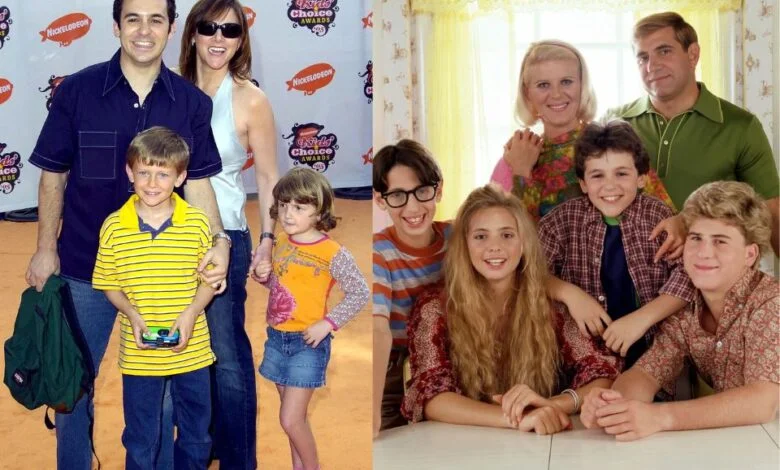
Understanding Auggie Savage requires understanding the family context that shapes his life.
The Savage family unit—Fred, Jennifer, Oliver, Lily, and Auggie—represents a close-knit group that has successfully maintained strong bonds despite the pressures that can strain celebrity families.
Each member plays an important role in creating the supportive, grounded environment that characterizes Auggie’s upbringing.
Fred Savage – The Father
Frederick Aaron Savage, born July 9, 1976, in Chicago, Illinois, achieved extraordinary success at a young age that most people never experience in entire lifetimes.
Cast as Kevin Arnold in “The Wonder Years” at age 12, Fred became a household name, earning Emmy nominations and Golden Globe awards while millions of viewers watched him grow up on screen from 1988 to 1993.
This experience of child stardom—with all its opportunities, pressures, and complications—profoundly shaped Fred’s worldview and would later influence how he approached fatherhood.
After “The Wonder Years” concluded, Fred successfully navigated the difficult transition that defeats many former child actors. He attended Stanford University, earning his degree while continuing to work in entertainment.
Rather than desperately clinging to acting fame, Fred strategically shifted toward directing and producing, working on successful series including “2 Broke Girls,” “Modern Family,” “The Goldbergs,” “It’s Always Sunny in Philadelphia,” and many others.
This career evolution demonstrated maturity, adaptability, and business acumen that built long-term success rather than chasing the fleeting fame of acting.
As a father, Fred brings unique perspective to raising children in Hollywood. Having experienced child stardom’s demands firsthand—the long working hours, educational disruptions, loss of privacy, and premature adult responsibilities—he understands what he wants for his own children and, perhaps more importantly, what he wants to protect them from.
His parenting philosophy appears to emphasize normalcy, education, privacy, and allowing his children to develop their own identities separate from his celebrity.
Fred’s current estimated net worth of $14-16 million provides his family with financial security without the excessive wealth that can create its own problems for children’s development.
This comfortable but not extravagant financial position allows the Savage children access to excellent opportunities while maintaining perspective about money and work.
Jennifer Lynn Stone – The Mother
Jennifer Lynn Stone, who married Fred Savage on August 7, 2004, represents the stable, private counterbalance to Fred’s public career.
Unlike many celebrity spouses who pursue their own entertainment industry careers or social media fame, Jennifer has deliberately maintained a low profile, focusing her energy on creating a nurturing home environment and raising their three children.
Very little public information exists about Jennifer’s background, career, or personal life before marrying Fred—a testament to her successful privacy maintenance.
This choice to remain out of the spotlight likely wasn’t accidental but rather a deliberate decision that aligns with the family’s overall approach to managing fame.
By not seeking attention herself, Jennifer helps create a family dynamic where Fred’s career exists as one aspect of their lives rather than the defining characteristic of their entire family identity.
As a mother, Jennifer appears to serve as the family’s primary day-to-day organizer, managing schedules, coordinating activities, and ensuring that despite Fred’s professional demands, family life maintains consistency and stability.
Friends of the family describe her as warm, grounded, and fiercely protective of her children’s wellbeing.
Her role, while less publicly visible than Fred’s, may be equally important in creating the balanced, healthy family environment that allows Auggie and his siblings to thrive.
Siblings Bond
Auggie shares his childhood with two older siblings who play crucial roles in his life. Oliver Savage, born in 2006, is the oldest child and only son before Auggie’s arrival.
As teenagers now, Oliver and Auggie likely share the typical older brother-younger brother dynamic—sometimes competitive, sometimes protective, always significant.
Despite their seven-year age gap, the brothers appear to maintain a close relationship, with Oliver potentially serving as a role model and guide as Auggie navigates his own teenage years.
Lily Aerin Savage, born in 2008, occupies the middle child position and is Auggie’s closest sibling in age. With just four years between them, Lily and Auggie likely share more daily interactions and common experiences than Auggie has with Oliver.
Growing up together, attending similar schools, and sharing many of the same family experiences creates bonds that will likely last their entire lives.
The three Savage children together form a unit that provides mutual support and normalcy. While each child must navigate being Fred Savage’s son or daughter, they face this unique circumstance together rather than alone.
This shared experience—of having a famous parent while trying to establish individual identities—creates understanding and connection among the siblings that outsiders cannot fully appreciate.
Family sources suggest that Fred and Jennifer have worked hard to prevent sibling rivalry and ensure each child receives individual attention despite Fred’s demanding career.
Family vacations, individual parent-child outings, and emphasis on each child’s unique interests and talents help prevent the resentment that can develop when one sibling feels overlooked or less valued.
Age and Personal Information

As of 2025, Auggie Savage is 13 years old, having celebrated his 13th birthday on November 26, 2024.
This age places him squarely in early adolescence—a transitional period characterized by rapid physical, emotional, cognitive, and social development.
For Auggie, these normal teenage changes occur within the unique context of being a celebrity child, adding layers of complexity to an already challenging life stage.
Born under the zodiac sign Sagittarius, Auggie’s astrological profile suggests characteristics of curiosity, optimism, adventurousness, and intellectual engagement—traits that, whether one believes in astrology or not, seem to align with the glimpses we have of his personality through limited public information.
Sagittarians are often described as truth-seekers who value freedom and independence, qualities that may serve Auggie well as he navigates teenage years while establishing his own identity separate from his father’s fame.
Turning 13 represents a significant milestone in American culture, often marked by Bar/Bat Mitzvahs in Jewish families, quinceañeras in Latin American families, or other coming-of-age celebrations.
While we don’t know how the Savage family marked this transition, such milestones typically involve recognition of a young person’s increasing maturity, responsibility, and movement toward young adulthood.
At this age, Auggie is likely in seventh or eighth grade, experiencing the social complexities of middle school—a time when peer relationships become increasingly important, self-consciousness peaks, and young people begin seriously considering their future paths.
For a celebrity child, these normal developmental challenges are complicated by questions about how much of one’s social standing derives from personal qualities versus famous parents, and whether friends are genuine or attracted primarily to celebrity association.
Thirteen also represents an age when many young people become more active on social media and begin developing their own digital presence.
The fact that Auggie maintains no known public social media accounts at this age—when many peers are deeply engaged with Instagram, TikTok, Snapchat, and other platforms—reflects his parents’ continued protective approach and possibly Auggie’s own preference for privacy.
Physical Appearance
Specific details about Auggie Savage’s physical appearance remain limited due to his family’s privacy protections, but the few public photographs that exist show a healthy, active young teenager who resembles both parents.
Like many 13-year-old boys, Auggie is likely experiencing the physical changes of puberty, including growth spurts, voice changes, and the other biological transformations that characterize adolescence.
Given his parents’ heights and builds, we can reasonably assume Auggie is developing into a tall, lean young man. Fred Savage stands approximately 5’7″ (170 cm), and while genetics from both parents influence children’s ultimate height, Auggie may eventually match or exceed his father’s stature.
At 13, he’s in the midst of the growth years when young people can gain several inches annually, making any current height measurement quickly outdated.
Physical appearance takes on particular significance for celebrity children, who often face public commentary and comparison to their famous parents.
The resemblance between Auggie and young Fred from “The Wonder Years” has been noted by fans who’ve seen family photos, creating both connection to his father’s legacy and the challenge of being compared to one of television’s most beloved child characters.
Auggie’s appearance in limited public photos suggests an active, athletic young person who participates in sports and outdoor activities.
His style appears casual and age-appropriate, avoiding the overly styled or designer-focused appearance that some celebrity children display.
This normal, relaxed presentation aligns with his parents’ overall approach of encouraging regular kid experiences rather than premature sophistication.
Like all teenagers, Auggie is undoubtedly developing his own sense of style and personal presentation. The teenage years involve experimentation with appearance, from hairstyles to clothing choices, as young people work out how they want to present themselves to the world.
For Auggie, this normal developmental process occurs with the added awareness that his appearance may be photographed and commented on due to his father’s fame, potentially creating self-consciousness that typical teenagers don’t experience.
Education and Academic Life
Education represents a central priority in the Savage household, with Fred and Jennifer emphasizing academic excellence alongside personal development and extracurricular engagement.
Their approach to Auggie’s education reflects both the advantages their financial resources provide and their commitment to preparing him for success regardless of whether he ultimately pursues entertainment or another field.
Current Schooling
Auggie attends a prestigious private school in the Los Angeles area, though the specific institution remains undisclosed to protect his privacy.
Private schools in Los Angeles, particularly those favored by entertainment industry families, typically offer small class sizes, individualized attention, rigorous academic programs, extensive extracurricular options, and environments where having famous parents is normalized rather than exceptional.
These elite institutions often cost $30,000-$50,000 or more annually per student, representing a significant investment that Auggie’s family can comfortably afford.
However, the value extends beyond just academic instruction to include networking opportunities, exposure to diverse perspectives, access to exceptional facilities and resources, and preparation for competitive college admissions.
At 13 and in middle school, Auggie is experiencing the transitional period between elementary school’s generalist approach and high school’s more specialized academic focus.
Middle school curriculum typically includes comprehensive coverage of mathematics, science, language arts, social studies, and foreign languages, along with exploratory courses in arts, technology, and other subjects that help students identify their interests and strengths.
His school likely offers accelerated or honors tracks for high-achieving students, Advanced Placement (AP) preparation for future high school courses, and various support services to ensure all students reach their potential.
The college-preparatory focus common in elite private schools means that even at 13, Auggie is being prepared for the competitive college admissions process he’ll face in just a few years.
Learning Environment
Beyond academics, Auggie’s learning environment emphasizes holistic development including social-emotional growth, character education, creative expression, physical fitness, and civic engagement.
Private schools often articulate explicit values and character traits they aim to develop in students, creating intentional communities focused on more than just test scores and grades.
The school day likely extends beyond traditional hours, with Auggie participating in after-school activities, sports practices, music lessons, or other enrichment programs.
This extended engagement creates a comprehensive educational experience where learning occurs through multiple modalities and contexts rather than just classroom instruction.
Class sizes in elite private schools typically range from 12-18 students, allowing teachers to provide individualized attention and adapt instruction to different learning styles and paces.
For a student like Auggie, who might face unique pressures related to his family circumstances, this personalized approach allows teachers to support his specific needs while challenging him academically.
The learning environment also includes sophisticated technology integration, from iPads and laptops for every student to advanced science laboratories, makerspaces for engineering and design projects, media production facilities, and other resources that prepare students for an increasingly technological world.
These tools support both current learning and future skill development in ways that traditional public schools often cannot match.
Peer relationships within this environment present both opportunities and challenges. On one hand, attending school with other children of entertainment industry professionals normalizes Auggie’s family circumstances.
On the other hand, even within this context, Fred Savage’s particular fame and the nostalgia surrounding “The Wonder Years” may make Auggie’s situation somewhat unique.
Navigating these peer dynamics—determining who his real friends are, establishing his own identity, and managing others’ perceptions—represents an ongoing aspect of his educational experience beyond formal academics.
Interests and Hobbies
Despite limited public information, glimpses into Auggie Savage’s life reveal a well-rounded young person with diverse interests spanning music, sports, creative arts, and outdoor activities.
These hobbies reflect both personal preferences and his family’s encouragement of balanced development that includes physical, creative, intellectual, and social dimensions.
Music Passion
Music represents one of Auggie’s primary interests, with reports indicating he has taken guitar lessons and shows genuine enthusiasm for musical expression.
Learning guitar at a young age provides numerous developmental benefits beyond just musical skill, including improved fine motor coordination, discipline and patience required for practice, creative outlet for emotional expression, cognitive benefits related to pattern recognition and memory, and potential social connections through musical collaboration.
The choice of guitar specifically—rather than piano, strings, or other instruments—reflects a certain indie/rock aesthetic popular among contemporary teenagers.
Guitar skills enable participation in bands, casual jam sessions with friends, songwriting, and the kind of musical experimentation that many teenagers find appealing during their identity formation years.
Whether Auggie pursues music recreationally or with more serious intent remains to be seen. At 13, he’s young enough that musical interests could evolve into genuine talent and passion, or might remain a enjoyable hobby among many others.
His family’s approach likely emphasizes enjoyment and personal growth rather than pressure to achieve professional-level proficiency, allowing Auggie to explore music at his own pace.
The Los Angeles area provides exceptional opportunities for young musicians, from excellent music teachers to youth orchestras, rock bands, jazz ensembles, and other musical groups.
If Auggie’s interest continues, he’ll have access to resources and instruction that can develop his skills as far as his talent and dedication take him.
Sports Activities
Physical activity and sports engagement represent another significant component of Auggie’s interests.
Reports indicate he participates in basketball and soccer, team sports that provide cardiovascular fitness, coordination development, strategic thinking, and crucial social experiences.
Team sports teach cooperation, communication, handling victory and defeat gracefully, commitment to group goals over individual glory, and resilience in the face of challenges—lessons that extend far beyond the playing field.
Basketball and soccer specifically require different skill sets.
Basketball emphasizes hand-eye coordination, vertical jumping, quick decision-making in confined spaces, and intense bursts of activity. Soccer demands endurance, foot coordination, field awareness, and sustained running.
Participating in both sports suggests Auggie enjoys variety in his athletic pursuits and benefits from developing diverse physical capabilities.
Playing on school or club teams places Auggie in social contexts where his father’s fame may matter less than his athletic performance and contribution to team success.
This meritocratic aspect of sports—where what you do on the field or court matters more than who your parents are—likely provides refreshing experiences where Auggie is evaluated purely on his own abilities and efforts.
The sports community in Los Angeles includes everything from recreational leagues to highly competitive club teams that feed into college athletic programs.
Depending on Auggie’s skill level and interest, he could pursue sports casually for fitness and fun, or more seriously with an eye toward high school varsity competition. His family’s financial resources ensure access to quality coaching, facilities, equipment, and opportunities regardless of which path he chooses.
Creative Pursuits
Beyond music and sports, indications suggest Auggie engages with various creative pursuits including drawing, storytelling, and possibly other artistic expressions.
Creative activities provide outlets for emotional processing, imagination development, problem-solving skills, personal expression, and cognitive flexibility—all valuable regardless of career path.
Drawing and visual arts allow young people to communicate ideas and feelings that might be difficult to express verbally.
For a teenager navigating the unique circumstances of celebrity family life, creative expression may provide particularly valuable outlets for processing complex emotions and experiences. Whether Auggie creates realistic drawings, cartoons, digital art, or other visual media, the process itself offers developmental benefits.
Storytelling interest—whether through writing, filmmaking, or other narrative forms—carries particular resonance given his father’s career.
While Auggie’s storytelling passion may have nothing to do with pursuing entertainment industry work, the connection to his family legacy is unavoidable.
If he does harbor interest in filmmaking or writing, his father’s experience and connections could provide invaluable mentorship and opportunities, though hopefully without pressure to follow that specific path.
Los Angeles provides exceptional resources for young creatives, from art classes and workshops to youth film programs, writing groups, and countless other opportunities.
The city’s status as a creative capital means that whatever artistic directions interest Auggie, expert instruction and supportive communities exist to nurture that development.
Career Prospects (2025)
At 13 years old, Auggie Savage stands at the beginning of the period when many young people begin seriously considering future career paths, though actual career decisions remain years away.
His unique position as Fred Savage’s son creates both opportunities and complications as he contemplates his future, with the entertainment industry representing one obvious possibility among many potential paths.
The question most observers ask is whether Auggie will follow his father and uncle into acting or other entertainment work.
Fred’s experience as a child actor who successfully transitioned to adult success—unlike many former child stars who struggle with that transition—might make show business seem less daunting.
Additionally, Auggie has unprecedented access to industry professionals, potential mentors, opportunities, and insider knowledge that most aspiring entertainers would envy.
However, Fred’s personal experience with child stardom also provides cautionary perspective. He understands the sacrifices child actors make, the educational disruptions, the loss of privacy, the pressure to perform, and the psychological challenges of growing up in the public eye.
These experiences likely inform his parenting approach and possibly make him hesitant to encourage Auggie toward early entertainment industry involvement unless Auggie shows genuine passion and initiative.
If Auggie were interested in entertainment, his options extend beyond acting to include directing, producing, writing, cinematography, editing, sound design, music composition, and countless other creative and technical roles.
His father’s career evolution from actor to director/producer demonstrates that success in entertainment takes many forms beyond on-camera celebrity. This broader perspective might allow Auggie to engage with the family business, if interested, without necessarily repeating his father’s specific path.
Alternatively, Auggie might pursue entirely different fields. His academic environment emphasizes college preparation, and bright, privileged young people from Los Angeles private schools typically pursue higher education at competitive universities.
Auggie could follow academic interests into science, technology, business, law, medicine, academia, or countless other professional paths that have nothing to do with entertainment.
His interests in music, sports, and creative arts suggest potential career connections—professional musician, music producer, sports management, athletic training, graphic design, architecture, or other fields that blend creative and practical elements.
However, at 13, these interests might simply be hobbies that enrich his life without necessarily pointing toward career directions.
The most likely scenario is that Auggie will attend a four-year university after high school, exploring various subjects before settling on a major and career path. His family’s financial resources mean he won’t face the pressure some young people experience to choose lucrative careers primarily for economic reasons.
This freedom to follow genuine interests rather than financial necessity represents a significant advantage, though it carries its own burden of high expectations and avoiding being seen as a dilettante living off family wealth.
Whatever career Auggie eventually pursues, he’ll do so with advantages many people lack: financial security, exceptional education, industry connections, and parental support. The challenge will be establishing his own identity and achievements rather than being perpetually defined as Fred Savage’s son.
Many children of famous parents struggle with this issue throughout their lives, constantly measured against parental accomplishments or having their own successes attributed to family connections rather than personal merit.
Net Worth and Financial Background
Auggie Savage, at 13 years old, has no personal net worth or independent income. As a minor child fully supported by his parents, discussions of his net worth are really discussions of his family’s financial situation and the economic environment in which he’s being raised.
Understanding this financial context provides insight into the opportunities available to Auggie and the values around money that his family emphasizes.
Father’s Net Worth
Fred Savage’s estimated net worth ranges between $14-16 million as of 2025, accumulated through decades of work in entertainment.
This wealth didn’t come from a single windfall but rather represents the compounding effect of smart career decisions, consistent work, and likely prudent financial management over 40+ years.
Fred’s earnings began during “The Wonder Years” (1988-1993), when he was one of television’s most prominent child actors.
While exact salaries from that era aren’t public, successful young television stars of that period typically earned $30,000-$100,000+ per episode by later seasons, with Fred’s multiple Emmy nominations and Golden Globe win suggesting he commanded higher-end compensation.
Over six seasons and 115 episodes, his “Wonder Years” earnings likely totaled several million dollars—a substantial foundation for long-term wealth.
After “The Wonder Years,” Fred continued acting in films and television throughout the 1990s and early 2000s, though with less prominence than his childhood peak. Movies like “The Princess Bride,” “Little Monsters,” “Vice Versa,” and others contributed to his earnings during this transition period.
His decision to attend Stanford University (1995-1999) demonstrated commitment to education even while maintaining entertainment industry involvement.
The major phase of Fred’s wealth accumulation began with his directing and producing career, which took off in the 2000s and continues robustly today.
Television directors typically earn $25,000-$75,000+ per episode depending on the show’s budget, the director’s experience, and negotiations.
Producers’ earnings vary even more widely based on their specific deal structures but can include upfront fees, backend points (percentage of profits), and residuals from successful shows.
Fred has directed episodes of extremely successful series including “It’s Always Sunny in Philadelphia” (multiple episodes), “Modern Family,” “2 Broke Girls,” “The Goldbergs,” “Phil of the Future,” “That’s So Raven,” “Party Down,” “Happy Endings,” and many others. This extensive resume spanning two decades of consistent work in television has generated substantial income.
Additionally, Fred served as an executive producer on shows like “The Grinder” and “Friends From College,” roles that typically involve ongoing payments and profit participation if shows succeed.
Residuals from “The Wonder Years”—payments actors receive when shows are rerun or sold to streaming services—continue providing income decades after the show’s original run.
Family Financial Stability
Fred’s $14-16 million net worth places the Savage family in the upper echelons of American wealth, though not at the ultra-wealthy billionaire level of some entertainment figures.
This comfortable but not extravagant financial position provides significant advantages while potentially avoiding some challenges that extreme wealth creates for children’s development.
The family’s financial stability enables several important advantages for Auggie:
- Educational Opportunities: Private school tuition of $40,000-50,000 annually doesn’t strain family finances, and future college costs—even at expensive private universities—will be easily affordable. This removes the financial stress many families face regarding education and allows Auggie to choose schools based on fit rather than cost.
- Enrichment Activities: Music lessons, sports team fees, equipment, summer camps, travel experiences, and other enrichment activities are readily accessible. These opportunities support Auggie’s development across multiple dimensions without requiring financial trade-offs.
- Living Standard: The family lives in comfortable circumstances in Los Angeles, one of America’s most expensive cities, without financial stress. Their home provides space, security, and comfort while likely avoiding the ostentatious excess that can create unrealistic expectations or entitlement in children.
- Future Security: College funds, potential support for graduate school or early career phase, help with first home purchase, or other financial assistance will likely be available when Auggie reaches young adulthood. This safety net provides security while hopefully not creating dependency or eliminating motivation to build his own success.
- Travel and Experiences: Family vacations, cultural experiences, and exposure to different places and perspectives enrich Auggie’s development and worldview. Financial ability to travel internationally, experience different cultures, and create family memories contributes significantly to comprehensive education.
However, wealth also creates challenges that Fred and Jennifer must navigate in raising grounded children:
- Entitlement Risk: Children who grow up with every material want satisfied can develop entitlement attitudes, expecting things to come easily without effort or appreciation. The Savages’ approach appears to emphasize hard work, education, and personal achievement rather than simply coasting on family wealth.
- Peer Comparison: Even within Los Angeles private schools where many families have significant wealth, variations exist. Auggie might have classmates whose families have significantly more or less wealth, requiring sensitivity to different circumstances and avoiding either superiority or inferiority based on money.
- Motivation Questions: When basic needs and even many luxuries are guaranteed, finding internal motivation to work hard and build personal achievements can be challenging. Why strive if you’re already comfortable? Successfully raised children of wealthy parents find purpose beyond financial necessity—creative fulfillment, contribution to society, personal excellence, or other intrinsic motivations.
- Privacy and Security: Wealth makes families potential targets for various risks from scammers to kidnappers. The Savages’ privacy-focused approach partly addresses these concerns, but wealth always requires careful management and security awareness.
- Financial Literacy: Teaching Auggie about money, investing, budgeting, and financial responsibility becomes crucial when he’ll eventually inherit or be given access to significant wealth. Learning to manage money responsibly prevents the financial disasters that have befallen some children of wealthy families.
Life as a Celebrity Child
Growing up as Fred Savage’s son creates a unique childhood experience that combines privilege, pressure, opportunity, and complication in ways that most people never encounter.
Auggie’s daily life may seem normal on the surface—school, homework, sports, friends, family dinners—but underlying these ordinary activities is the constant reality of being a celebrity child.
Challenges
The challenges of celebrity childhood extend far beyond paparazzi photos and public recognition, encompassing psychological, social, and developmental complications that can affect children throughout their lives.
- Identity Formation: One of the most profound challenges celebrity children face is developing a distinct personal identity separate from their famous parent. When everyone knows you primarily as “Fred Savage’s son” rather than as Auggie with his own qualities, achievements, and personality, establishing authentic selfhood becomes complicated. Auggie must constantly navigate whether people’s reactions to him reflect his actual self or their perceptions of his father.
- Genuine Relationships: Determining which friendships are authentic versus based on celebrity access represents an ongoing challenge. Are classmates interested in Auggie as a person, or do they want to be friends with Fred Savage’s son? This uncertainty can create trust issues, social anxiety, and difficulty forming deep connections even with peers who are genuinely interested in Auggie himself.
- Unfair Comparisons: People inevitably compare Auggie to his father, particularly if he shows interest in performance or entertainment. If he excels at something, skeptics attribute it to family connections or inherited talent rather than personal effort. If he struggles, critics might say he lacks his father’s gifts. Either way, he faces evaluation through a lens that typical children don’t experience.
- Privacy Invasion: Despite his parents’ protective efforts, Auggie cannot completely escape public curiosity. Paparazzi photos, social media speculation, and public commentary about his appearance, behavior, or choices represent invasions of privacy that most children never face. The awareness that strangers discuss and judge him based on limited information creates pressure and self-consciousness.
- Pressure and Expectations: Implicit expectations that celebrity children will be special, talented, or exceptional create pressure to perform and achieve. Some children internalize these expectations, becoming anxious perfectionists. Others rebel against them, underachieving deliberately. Either response reflects the burden of others’ expectations rather than the freedom to develop naturally.
- Normal Experience Deprivation: Some normal childhood experiences become complicated or impossible when you’re a celebrity child. Anonymous participation in activities, spontaneous adventures without security concerns, making mistakes without public documentation, and simply being ordinary aren’t fully available to Auggie.
Advantages
While celebrity childhood presents real challenges, it also provides significant advantages that Auggie would be the first to acknowledge:
- Financial Security: As discussed extensively above, Auggie will never worry about basic needs, educational costs, healthcare, or fundamental economic security. This freedom from financial stress allows focus on personal development, passions, and purpose rather than survival concerns.
- Exceptional Opportunities: Access to world-class education, travel, cultural experiences, instruction in various disciplines, and enrichment activities that develop talents and interests far exceeds what most families can provide. These opportunities maximize Auggie’s potential across multiple dimensions.
- Industry Access: If Auggie decides to pursue entertainment or related fields, his father’s connections, knowledge, and reputation provide entry points that aspiring entertainers spend years or lifetimes trying to achieve. This insider access isn’t guaranteed success but removes significant barriers.
- Expanded Worldview: Growing up in a family engaged with entertainment, culture, and diverse perspectives likely exposes Auggie to broader worldviews than typical American childhoods provide. This cosmopolitan perspective, combined with travel and cultural experiences, develops sophistication and appreciation for diversity.
- Quality Healthcare: Access to excellent medical care, mental health resources, and wellness services ensures that health issues receive prompt, expert attention. This advantage, often overlooked, significantly impacts quality of life and outcomes.
- Family Support: Fred and Jennifer’s commitment to their children’s wellbeing, combined with financial resources to support that commitment, creates a nurturing environment where Auggie can thrive. Many children lack either the emotional support or material resources; Auggie benefits from both.
Privacy Protection
Fred and Jennifer’s approach to protecting their children’s privacy represents one of their most important parenting decisions. In an era when many celebrity parents share every aspect of their children’s lives on social media—sometimes from birth—the Savages’ restraint stands out.
Their privacy protection strategy includes several elements:
- No Social Media Exposure: The family doesn’t maintain public social media accounts showcasing their children, avoiding the commodification of childhood that occurs when children become content for their parents’ platforms.
- Limited Public Appearances: Auggie rarely appears at industry events, premieres, or other occasions that might generate publicity. When the family does appear publicly, they manage these appearances carefully.
- Media Non-Engagement: Fred and Jennifer don’t give interviews about their children, don’t sell family photos to magazines, and don’t participate in the celebrity family publicity machine that many in Hollywood embrace.
- Legal Protection: The family likely employs legal strategies to protect their children’s images and information, potentially including cease-and-desist letters to paparazzi or publications that cross boundaries.
- School Privacy: Choosing schools that understand celebrity family needs and protect student privacy ensures that Auggie’s educational environment remains a safe space.
This comprehensive privacy approach reflects Fred’s personal experience with child stardom and his determination to give his children something he didn’t have—a childhood that remains largely private and protected from public consumption.
Social Media Presence
In 2025, when most 13-year-olds maintain active social media presence across multiple platforms, Auggie Savage’s absence from public social media is both remarkable and deliberate. No verified Instagram, TikTok, Twitter, or other public accounts exist for Auggie, suggesting his family’s privacy values extend to the digital realm where many battles for children’s wellbeing are currently being fought.
This decision to keep Auggie off social media—or at least off public social media—reflects several considerations:
- Age Appropriateness: Research increasingly documents social media’s negative effects on adolescent mental health, particularly during the vulnerable middle school years. Anxiety, depression, body image issues, sleep disruption, and social comparison all correlate with heavy social media use among teens.
- Privacy Protection: Public social media accounts would expose Auggie to comments, messages, and attention from strangers, many of whom would be interested primarily because of his father rather than Auggie himself. This unwanted attention could be overwhelming or even dangerous.
- Childhood Preservation: Once digital content exists online, controlling its spread and permanence becomes nearly impossible. Photos and videos from Auggie’s teenage years could follow him throughout life, creating embarrassment or professional complications from normal adolescent behavior documented digitally.
- Identity Development: Social media encourages performance of self for audience approval, potentially distorting healthy identity development. Auggie benefits from developing his identity based on his own values and authentic experiences rather than likes, comments, and follower counts.
- Platform Concerns: Issues of cyberbullying, predatory adults, addiction, misinformation, and other social media risks are well-documented. Protecting Auggie from these risks during vulnerable developmental periods reflects prudent parenting.
Of course, Auggie might maintain private social media accounts for communicating with friends and classmates—a normal and arguably necessary part of contemporary teenage social life.
The distinction between private accounts for peer connection and public accounts seeking audience and attention is significant. Private, locked accounts that only approved friends can see serve legitimate social purposes while avoiding public exposure.
This approach to social media allows Auggie to participate in digital social culture appropriate for his age while protecting him from the more damaging aspects of public social media presence.
As he matures and gains capacity to understand consequences and manage his own digital presence, his family’s approach may evolve.
Controversies and Challenges
Unlike many celebrity children who become tabloid fixtures or social media drama magnets, Auggie Savage has maintained a remarkably controversy-free public profile throughout his 13 years. This absence of scandal or public incident reflects both his family’s protective approach and likely Auggie’s own personality and behavior.
Several factors contribute to this controversy-free status:
- Age and Privacy: At 13, Auggie hasn’t reached the ages (typically mid-to-late teens) when celebrity children often make headlines for problematic behavior. Additionally, his privacy-protected childhood has simply provided fewer opportunities for public controversies.
- Family Stability: The Savage family’s intact, stable household contrasts with many celebrity families characterized by divorces, public feuds, custody battles, or other dramas that often entangle children. Fred and Jennifer’s long, apparently happy marriage creates a stable foundation that reduces typical celebrity family chaos.
- Parental Guidance: Fred’s experience with child stardom likely makes him particularly vigilant about potential pitfalls. His guidance, combined with Jennifer’s grounded approach, creates boundaries and expectations that help Auggie avoid problematic situations.
- Private School Environment: Elite private schools have strong incentives to manage student behavior and avoid scandals that could damage their reputations. The structured, supervised environment provides fewer opportunities for the kind of unsupervised activities that sometimes lead teenagers into trouble.
- Personality Factors: Beyond external protections, Auggie’s own personality—described by those who know the family as curious, cheerful, and grounded—likely inclines him away from the rebellious or attention-seeking behaviors that generate controversies.
However, “no controversies” doesn’t mean “no challenges.” Auggie faces the private challenges all teenagers encounter:
- Academic Pressure: Meeting the high standards of competitive private school while balancing extracurricular activities and social life creates stress that, while not public, is nonetheless real.
- Social Navigation: Middle school social dynamics—cliques, bullying, peer pressure, social hierarchy—affect even privileged children at elite schools. Auggie must navigate these challenges like all teenagers.
- Identity Questions: Figuring out who he is, what he values, where he fits in the world—these universal adolescent questions take on additional complexity for celebrity children.
- Future Uncertainty: While his future includes many opportunities, the pressure of choosing among them and establishing his own path creates its own stress and uncertainty.
- Comparison to Siblings: With an older brother and sister also navigating adolescence and young adulthood, sibling comparisons and family dynamics create typical family challenges.
The fact that these challenges remain private rather than becoming public spectacles represents success in the Savage family’s approach to raising children despite Fred’s fame.
Future Plans and Aspirations
At 13 years old, Auggie Savage’s future remains wide open with infinite possibilities stretching before him. While specific plans haven’t been publicly disclosed—and likely haven’t been definitively decided even within the family—we can consider various trajectories based on his interests, advantages, and circumstances.
Academic Path: The most likely immediate future involves continuing his private school education through high school, maintaining strong academic performance, and eventually applying to competitive universities. Given his family’s resources and his educational opportunities, admission to prestigious universities is certainly achievable if Auggie applies himself academically.
If he follows conventional timelines, Auggie will graduate high school around 2030, then potentially attend college from 2030-2034. His undergraduate years will provide opportunities to explore various interests, develop expertise in chosen fields, and establish his own identity separate from his father’s celebrity. Whether he attends Stanford (his father’s alma mater), another Ivy League institution, a California school like USC or UCLA, or somewhere else entirely will reflect his own preferences and achievements.
Entertainment Industry Possibilities: If Auggie develops interest in entertainment, numerous paths exist beyond traditional acting:
- Behind-the-Camera Work: Following his father’s evolution, Auggie might explore directing, producing, writing, editing, cinematography, or other technical/creative roles
- Music Industry: His guitar playing could evolve into serious musical pursuits, from performing to production to composition
- Digital Content Creation: Contemporary entertainment increasingly includes YouTube, streaming, podcasting, and other formats that didn’t exist during Fred’s childhood
- Entertainment Business: Roles in talent management, agency work, studio operations, or other business sides of entertainment
- Acting: While he’s shown no public interest in performing, the option remains available if passions develop
Alternative Career Fields: Auggie might pursue directions entirely unrelated to entertainment:
- STEM Fields: Science, technology, engineering, or mathematics careers that leverage analytical abilities and creativity
- Business and Finance: Entrepreneurship, investment, consulting, or other business-oriented fields
- Law: Legal careers that potentially connect to entertainment law or take entirely different directions
- Medicine: Healthcare fields from research to clinical practice
- Athletics or Sports Management: If his sports interests develop into serious talents
- Creative Industries: Architecture, design, advertising, or other fields blending creativity and practical application
Personal Development: Beyond career considerations, Auggie’s future certainly includes continued personal growth across multiple dimensions. His teenage years through twenties will involve developing mature relationships, potentially romantic partnerships, deeper friendships, and adult family dynamics with parents and siblings.
He’ll also develop political, social, and philosophical views as he engages more deeply with world issues and forms his own perspectives. The values instilled during childhood will be tested, refined, and either embraced or rejected as he becomes his own person.
- Philanthropic Inclinations: Many children of wealthy, successful parents eventually develop interests in charitable work, social causes, or using their advantages to contribute to society. Whether Auggie follows this pattern remains to be seen, but opportunities for meaningful social contribution will certainly be available to him.
- Family Formation: Looking further ahead, Auggie will eventually face questions about his own family formation—whether to marry, have children, and how to balance career and family if he does. These decisions, decades away at this point, will shape the next chapter of the Savage family legacy.
Whatever specific paths Auggie chooses, his future will likely be characterized by opportunities to pursue genuine interests without desperate economic pressure, support from family who want his happiness and success, resources to recover from failures and take reasonable risks, and the challenge of establishing achievements recognized as his own rather than merely extensions of his father’s legacy.
Frequently Asked Questions (FAQs)
How old is Auggie Savage in 2025?
Auggie Savage is 13 years old as of 2025, having been born on November 26, 2012. He’s currently in early adolescence, likely attending seventh or eighth grade at a private school in Los Angeles while developing his interests in music, sports, and creative activities.
What is Auggie Savage’s net worth?
Auggie Savage has no personal net worth as he’s a 13-year-old minor with no independent income or career. However, his father Fred Savage’s estimated net worth is $14-16 million, providing Auggie with financial security and access to exceptional educational and enrichment opportunities throughout his childhood.
Who are Auggie Savage’s parents?
Auggie’s father is Fred Savage, the beloved actor best known for playing Kevin Arnold in “The Wonder Years” who later became a successful television director and producer. His mother is Jennifer Lynn Stone, who married Fred in 2004 and maintains a private life focused on raising their three children.
Does Auggie Savage have siblings?
Yes, Auggie has two older siblings: Oliver Savage (born 2006), his 19-year-old brother, and Lily Aerin Savage (born 2008), his 17-year-old sister. The three Savage children share close bonds and navigate the unique experience of growing up as Fred Savage’s children together.
Is Auggie Savage active on social media?
No, Auggie Savage maintains no known public social media accounts. His family prioritizes privacy protection and has chosen not to expose their children to public social media platforms, avoiding the mental health risks, privacy invasions, and attention that often accompany celebrity children’s online presence.
What school does Auggie Savage attend?
While specific details remain undisclosed to protect his privacy, Auggie attends a prestigious private school in the Los Angeles area. These elite institutions typically offer small classes, rigorous academics, extensive extracurricular programs, and environments where having entertainment industry parents is normalized.
What are Auggie Savage’s hobbies and interests?
Auggie enjoys music (particularly playing guitar), sports including basketball and soccer, and creative pursuits like drawing and storytelling. His diverse interests reflect his family’s emphasis on well-rounded development encompassing physical, creative, intellectual, and social dimensions during his formative years.
Will Auggie Savage become an actor like his father?
There’s no public indication whether Auggie will pursue acting or any entertainment career. At 13, his future remains open with infinite possibilities. His parents appear committed to letting him discover his own passions rather than pushing him toward following family tradition in the entertainment industry.
Where does Auggie Savage live?
Auggie lives with his family in Los Angeles, California, the same city where he was born. Los Angeles provides access to exceptional schools, cultural experiences, recreational opportunities, and the entertainment industry environment where his father works, while also presenting unique challenges for celebrity families seeking privacy.
How does Auggie Savage handle being a celebrity child?
Based on limited public information, Auggie appears to navigate celebrity childhood with the support of protective parents who prioritize his privacy, normal experiences, and personal development over public attention. His grounded demeanor and controversy-free profile suggest healthy adjustment to his unique circumstances.
Conclusion
Auggie Savage’s story represents a fascinating study in contemporary celebrity childhood—how families navigate fame, privilege, and the challenges of raising healthy, grounded children in extraordinary circumstances.
At just 13 years old, Auggie stands at the threshold of adolescence with a future full of possibilities shaped by both his famous heritage and his parents’ determined efforts to provide him with as normal a childhood as fame permits.
What emerges most clearly from examining Auggie’s life is the thoughtfulness his parents bring to their parenting approach.
Fred Savage’s personal experience with child stardom informed a protective philosophy that prioritizes privacy, education, normal experiences, and allowing Auggie to develop his own identity separate from his father’s celebrity.
Jennifer Lynn Stone’s quiet strength and focus on creating a stable, loving home environment complements Fred’s approach, together creating the foundation for their children’s healthy development.
Auggie’s interests in music, sports, and creative pursuits suggest a well-rounded young person benefiting from the opportunities his family’s resources provide while remaining engaged with activities that millions of teenagers enjoy regardless of their parents’ fame or wealth.
His enrollment in quality education, his participation in team sports, his musical development, and his maintenance of privacy all indicate parents who understand that childhood is precious and fleeting—something to be protected rather than commodified or exploited.
The challenges Auggie faces are real and significant. Identity formation becomes more complex when everyone knows you primarily as someone’s son. Authentic relationships require navigation of others’ motives. Privacy becomes elusive when strangers feel entitled to information about your life.
Expectations weigh heavily when your last name carries entertainment industry legacy. Yet Auggie appears to be managing these challenges with grace, supported by parents who understand them intimately and siblings who share similar experiences.
Looking ahead, Auggie’s future remains unwritten and full of potential. Whether he follows his father into entertainment, pursues entirely different passions, or finds some combination that uniquely suits his talents and interests, he’ll do so with advantages many people never have—financial security, exceptional education, family support, and industry access if he wants it.
The question isn’t whether opportunities will be available but rather which opportunities Auggie will choose and how he’ll make them his own.
Ultimately, Auggie Savage’s significance extends beyond biographical facts about one celebrity child. His story reflects broader questions about childhood in the digital age, the responsibilities of successful people to their children, the challenges of privilege, and how families can protect what matters most while navigating extraordinary circumstances.
As Auggie continues growing into his teenage years and eventually young adulthood, his journey will offer continued insights into these themes that resonate far beyond Hollywood.
For now, at 13, Auggie Savage is simply a young teenager discovering who he is, what he loves, and what kind of person he wants to become—the same fundamental work all young people undertake regardless of their parents’ fame or their family’s circumstances.
The difference is that Auggie does this work under more observation and with more advantages and complications than most. How he navigates this unique path will shape not just his own life but perhaps offer lessons for the countless other children growing up in celebrity families trying to find their own way in the world.